


A June 2025 report revealed evidence potentially linking 68 corporations to state-imposed forced labor in the Uyghur Region of China — among which, some household names are highlighted as having some level of business relationship.
What's happening?
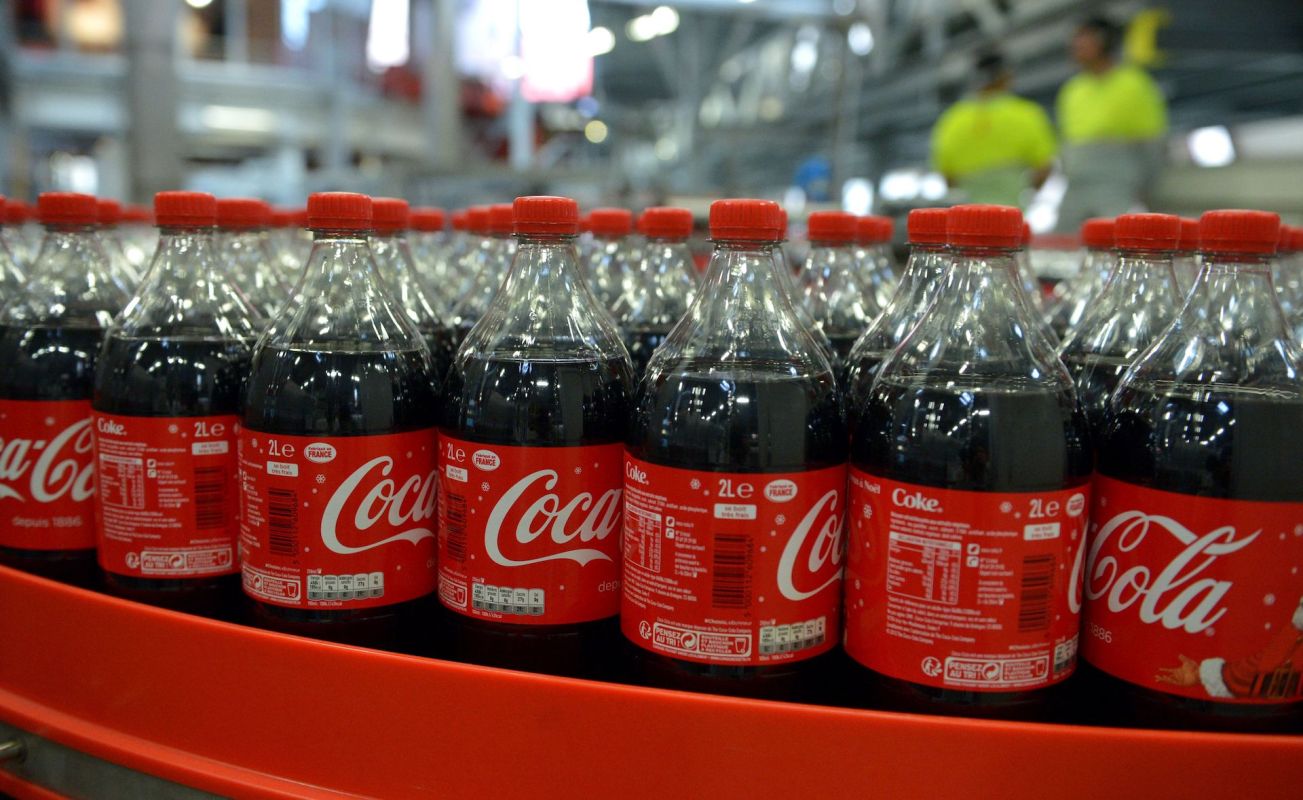
According to the Freedom United posting on Daily Kos, some of these downstream corporate connections include Coca-Cola and Walmart through smaller companies with which those brands have some form of relationship. There were no allegations of wrongdoing by either company directly, nor that either company was aware of the allegations before the report.
"The report argues that China deliberately emphasizes the Uyghur Region in its critical minerals strategy. It documents how authorities forcibly transfer Uyghur workers to mines and mineral processing facilities," the article detailed. "Resistance often results in harassment, imprisonment, or threats to livelihoods."
The 61-page report by Global Rights Compliance explains how transitions to renewable energy — as the forced laborers often mine minerals like lithium — can have a devastating human impact, though they exist under the cover of aiding the planet.
The post at Daily Kos calls for companies and public officials to "ensure full supply chain traceability" as they transition to clean energy.
Why is the report concerning?
"Even as international scrutiny of Uyghur forced labor grows, exports to the US increased by 280%, and to the UK by more than 595%," the post observed, adding context to the report.
Get cost-effective air conditioning in less than an hour without expensive electrical work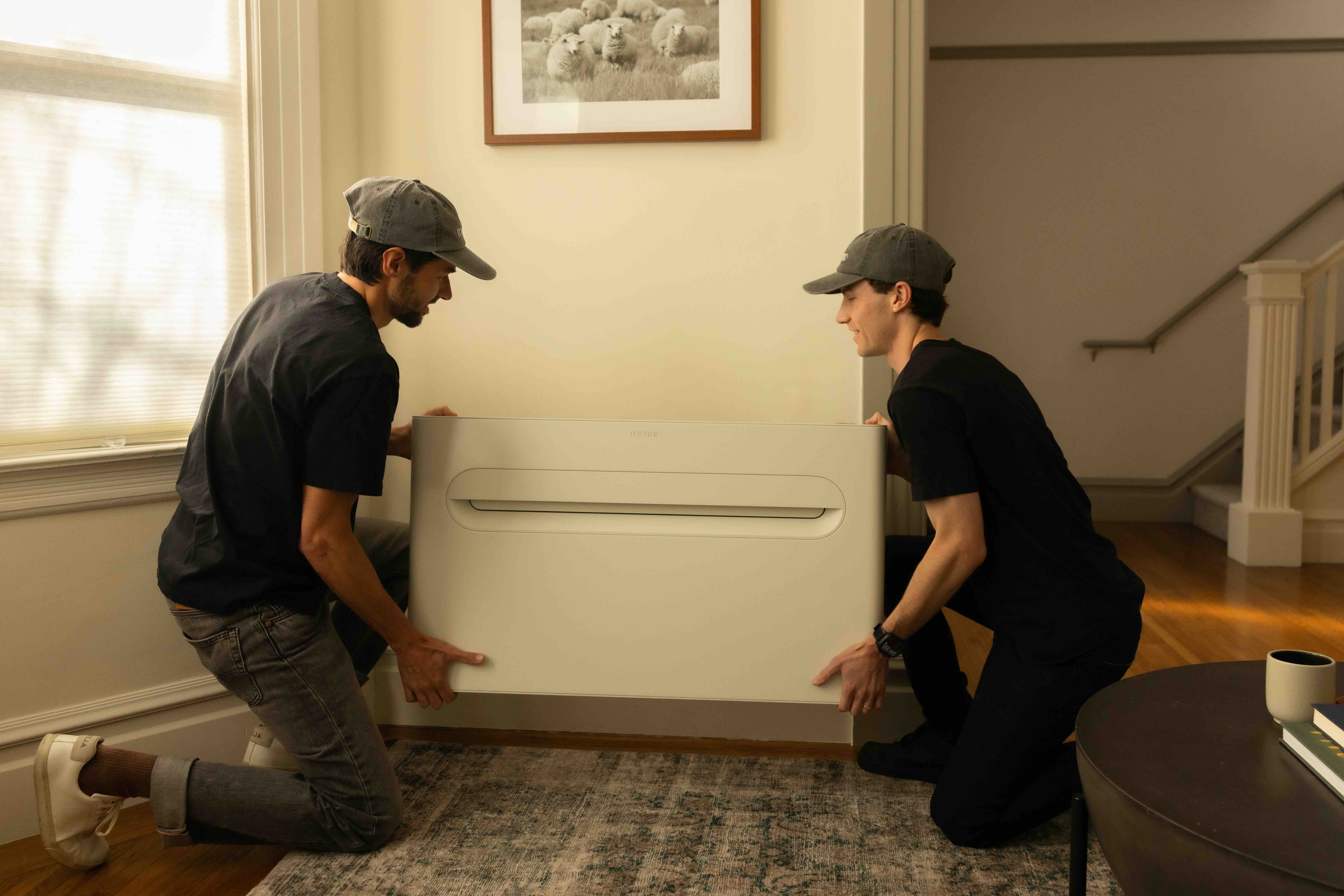 The Merino Mono is a heating and cooling system designed for the rooms traditional HVAC can't reach. The streamlined design eliminates clunky outdoor units, installs in under an hour, and plugs into a standard 120V outlet — no expensive electrical upgrades required. And while a traditional “mini-split” system can get pricey fast, the Merino Mono comes with a flat-rate price — with hardware and professional installation included. |

Coca-Cola in particular is no stranger to problematic practices. While the company has taken steps to reduce its contribution to litter and pollution, it has repeatedly been identified as the biggest contributor to branded plastic pollution worldwide.
What's being done about the Uyghur forced labor?
The report is a key document in bringing about change, as it outright calls out these companies and shines a light on what is happening in the Uyghur Region.
The Coalition to End Forced Labour in the Uyghur Region responded to the report, saying, "Governments and companies that rely on critical minerals for the production of their goods have both the power and responsibility to take immediate action to eliminate reliance on Uyghur forced labour."
The EU is implementing a ban on products made using forced labor, though this will not go into full effect until 2027.
TCD Picks » Quince Spotlight
💡These best-sellers from Quince deliver affordable, sustainable luxury for all




|
Should companies be required to help recycle their own products?
Click your choice to see results and speak your mind. |
 Definitely 👍
 In this era of internationally exporting everyday items, it is key to educate yourself on where what you buy is coming from. By shopping locally, you can gain some comfort, knowing exactly where your purchases come from, and that those making them had full autonomy — and that generally leads to less pollution associated with transportation as well.

Join our free newsletter for good news and useful tips, and don't miss this cool list of easy ways to help yourself while helping the planet.
Cool Picks






