


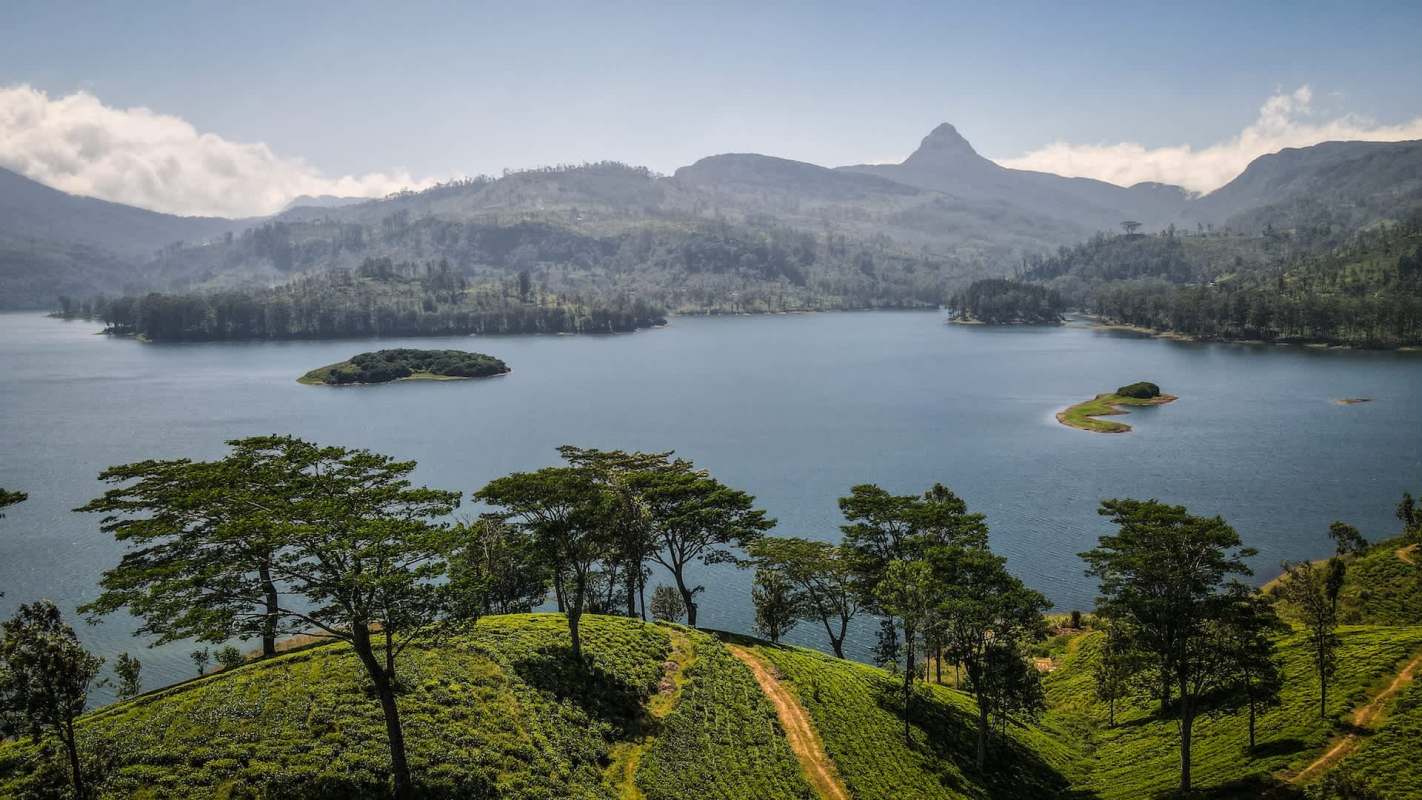
Giant snakehead fish have established themselves in Sri Lanka's Deduru Oya reservoir, threatening native fish species and local fishing livelihoods, reported Mongabay.
What's happening?
In mid-June, an angler pulled an 8-kilogram predatory fish measuring nearly a meter long from northwestern Sri Lanka's waters. The catch turned out to be a giant snakehead, one of the most dangerous invasive freshwater species globally.
Local fishers have noticed their usual catches dwindling by half since the snakeheads appeared. The first confirmed sightings came in early 2024, but experts have now found specimens of various sizes, indicating the fish are breeding in the reservoir.
Scientists believe these aggressive predators entered Sri Lankan waters through aquarium releases. "Frankenfish" enthusiasts often buy juvenile snakeheads for their striking appearance but release them into local waterways when they outgrow home tanks.
The giant snakehead "is capable of growing to a length of 1.3 m (4.3 ft) and weigh up to 20 kg (44 lbs)," according to Ramani Shirantha, a senior scientist at the National Aquatic Resources Research and Development Agency in Sri Lanka.
Why are invasive snakeheads concerning?
These torpedo-shaped predators with razor-sharp teeth can damage local ecosystems. Unlike native fish, giant snakeheads can breathe air, survive in low-oxygen conditions, and move across land to reach new habitats.
TCD Picks » Quince Spotlight
💡These best-sellers from Quince deliver affordable, sustainable luxury for all




A single female lays as many as 10,000 eggs per breeding season. Their aggressive hunting targets everything from small fish to amphibians and even birds.
Sri Lanka's freshwater systems contain more than 50 unique native fish species. The country's native snakeheads now face competition from a larger, more aggressive rival.
The economic impacts affect local communities. Fishing families depend on catches of commercially valuable native species.
What's being done about invasive snakeheads?
Countries facing similar invasions have implemented targeted approaches. In the United States, authorities have banned possession, conducted removal operations, and launched public awareness campaigns.
|
Do you think we should be trying to pull pollution out of the atmosphere? Click your choice to see results and speak your mind. |
 Absolutely 👍
 Sri Lankan scientists are promoting commercial harvesting as a control measure. Researchers publicly cooked and ate giant snakeheads to demonstrate their culinary potential.
If you keep aquarium fish, never release them into local waters. Consider donating unwanted fish to pet stores or other aquarists instead.
Support local fishers by buying native species when available. This helps maintain fishing pressure on invasives such as the giant snakehead.
Contact your lawmakers to voice support for better invasive species monitoring programs.

Join our free newsletter for good news and useful tips, and don't miss this cool list of easy ways to help yourself while helping the planet.







