


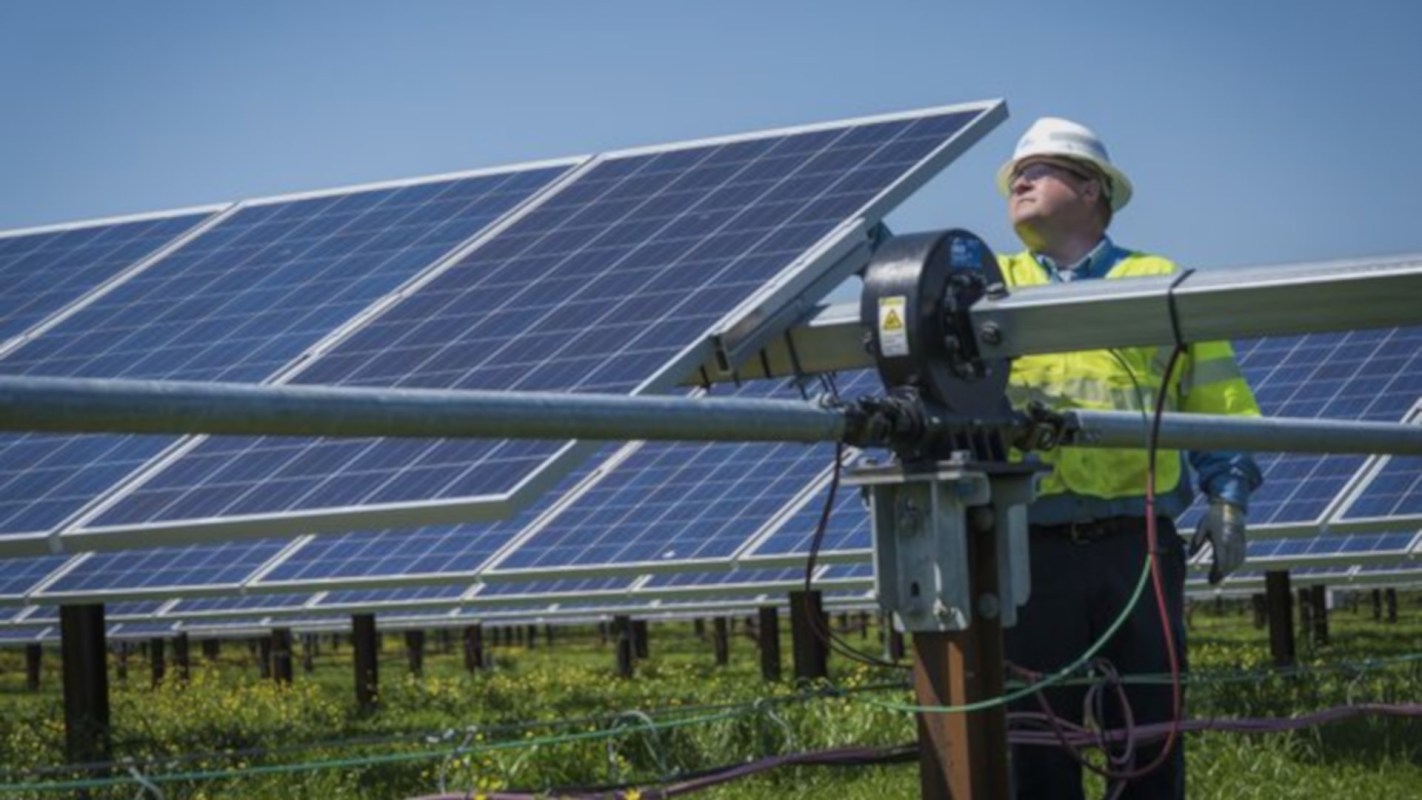
The governor of North Carolina vetoed a controversial bill that would have eliminated the state's clean-energy goals for its primary power company.
According to Canary Media, North Carolina Gov. Josh Stein vetoed Senate Bill 266, which would have ended a requirement that Duke Energy, the state's largest energy provider, would need to slash carbon pollution by 70% from its 2005 levels by 2030. The bill would have maintained a zero-emissions goal by 2050.
The bill was passed with little fanfare or public debate by the Republican-controlled North Carolina legislature, with supporters claiming that the bill would give Duke Energy more leeway to build new gas and nuclear power plants in the state to address the growing energy demands and reduce costs for consumers.
However, Stein, a Democrat, pointed to a study by North Carolina State University researchers, which showed that rather than allowing Duke to build more energy infrastructure, it would instead allow Duke to continue relying on old dirty energy coal and gas-powered facilities.
"This summer's record heat and soaring utility bills has shown that we need to focus on lowering electricity costs for working families — not raising them," Stein said in a statement. "My job is to do everything in my power to lower costs and grow the economy. This bill fails that test."
In fact, NC State's study showed that SB 266 would allow Duke to burn up to 40% more natural gas over the next decade, while costing consumers up to $23 billion more on their energy bills over that same span.
TCD Picks » Quince Spotlight
💡These best-sellers from Quince deliver affordable, sustainable luxury for all




Making matters worse, Duke would scale back its investment in clean energy, reducing its plans for solar and wind energy storage by 7,200 megawatts and its offshore plans by 4,500 megawatts. Even nuclear energy, which SB 266's supporters point to as the reason why the bill is a good idea, would see its projected increase in capacity decrease by 300 megawatts of power.
"Governor Stein is championing working families all across North Carolina who would be harmed by this new law," said Will Scott, Southeast climate and clean energy director for the Environmental Defense Fund. "Legislators should reconsider the harmful consequences of this law for the working families in their districts."
The bill will now return to the North Carolina legislature. Republicans have a veto-proof majority in the House of Representatives, but fall one vote short of that margin in the Senate.
|
Do you think your city has good air quality? Click your choice to see results and speak your mind. |
 Definitely 🥰
Join our free newsletter for good news and useful tips, and don't miss this cool list of easy ways to help yourself while helping the planet.
TCD Picks » Quince Spotlight
💡These best-sellers from Quince deliver affordable, sustainable luxury for all







