


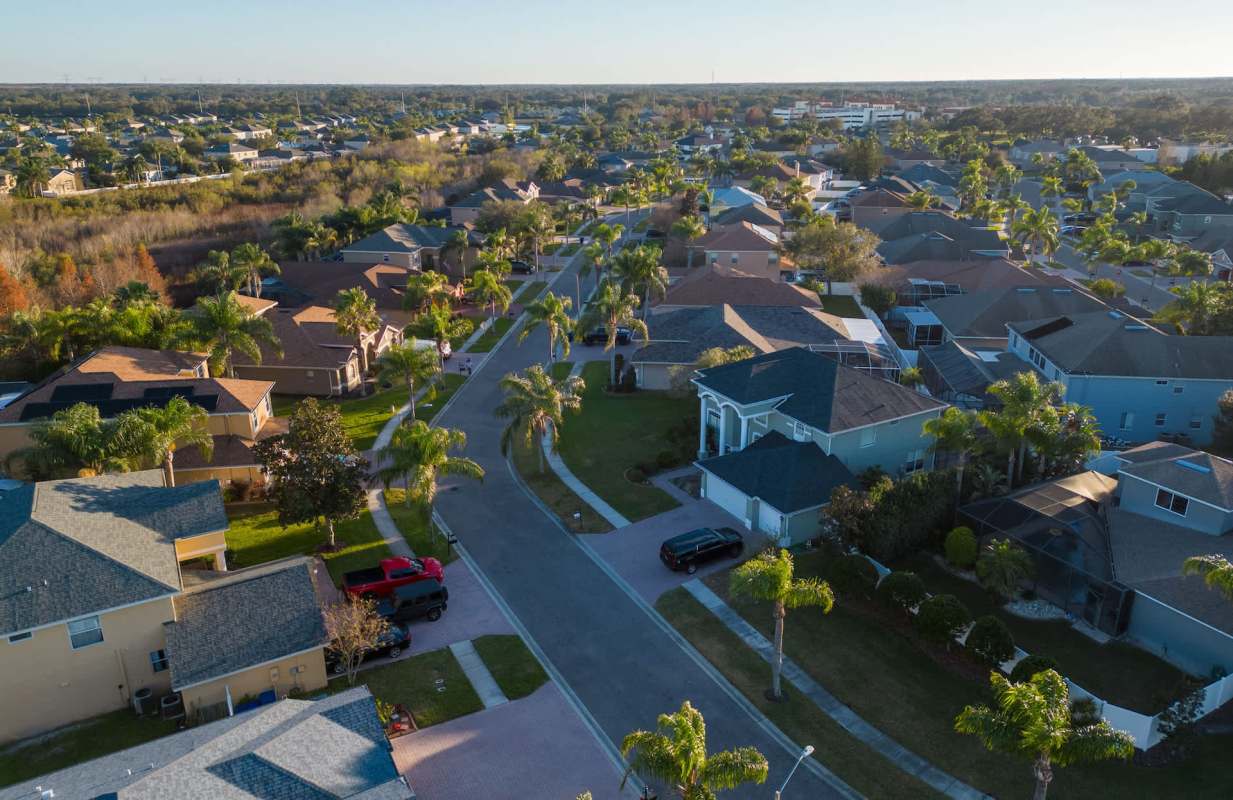
Florida homeowners may soon wake up to find a lot more fake grass covering their neighbors' lawns. Some residents are celebrating the freedom to pick how their yards look. Others are concerned about harmful runoff damaging other yards and waterways.
What's happening?
Gov. Ron DeSantis signed a law last month that allows homeowners to install artificial turf on their yards, as long as they are under an acre. Before, people had to get approval from the local municipality or faced outright bans.
Chris Lee runs Durable Lawn. He told the Tampa Bay Times, "Now we do all of the hotels. We do all the million-dollar properties along the beaches." For him, city turf rules felt like "handcuffs."
The Department of Environmental Protection now sets turf standards for everyone. Cities can't block turf if it meets those guidelines.
Why are people worried?
Grass lawns soak up rain like a sponge. Turf can't do that. Marco Schiavon, a turf scientist at the University of Florida, said fake grass can get 70-100 degrees Fahrenheit hotter than real grass on sunny days. "This creates an urban heat island effect," he told the Times.
Ed Sherwood of the Tampa Bay Estuary Program thinks turf runoff could damage water quality. "There's probably going to be downstream implications for the water, wildlife and our way of life in the Tampa Bay region," he said.
TCD Picks » Quince Spotlight
💡These best-sellers from Quince deliver affordable, sustainable luxury for all




Runoff from turf carries metals such as zinc into groundwater. Natural grass filters out those pollutants before they reach waterways. Turf doesn't offer food or shelter for insects, soil microbes, or animals.
What are people doing instead?
Some go for xeriscaping. They cover yards with gravel, rocks, mulch, and native plants to cut water use and avoid turf's heat problem. Nevada homeowners who xeriscape say their yards stay cooler and are easier to manage. Native plant lawns are catching on for people who want low-hassle care.
People are rethinking artificial grass, too. Stories say turf can mess up drainage and get too hot for kids or pets to walk on. Some cities are testing turf for chemicals that might harm health. Experts say turf breaks down into microplastics, adding risk to soil and groundwater.
Chris Powell of ForeverLawn said turf isn't right for everyone: "This bill will hopefully help our industry while still improving the quality of the products and the responsible use of the products, which is our objective."
Schiavon's rule is simple, as he told the Times: "If it's not Florida-friendly, try not to plant it."
|
What's the hardest thing about taking care of your yard? Click your choice to see results and speak your mind. |
 Mowing the lawn 🏡
Join our free newsletter for easy tips to save more and waste less, and don't miss this cool list of easy ways to help yourself while helping the planet.







