


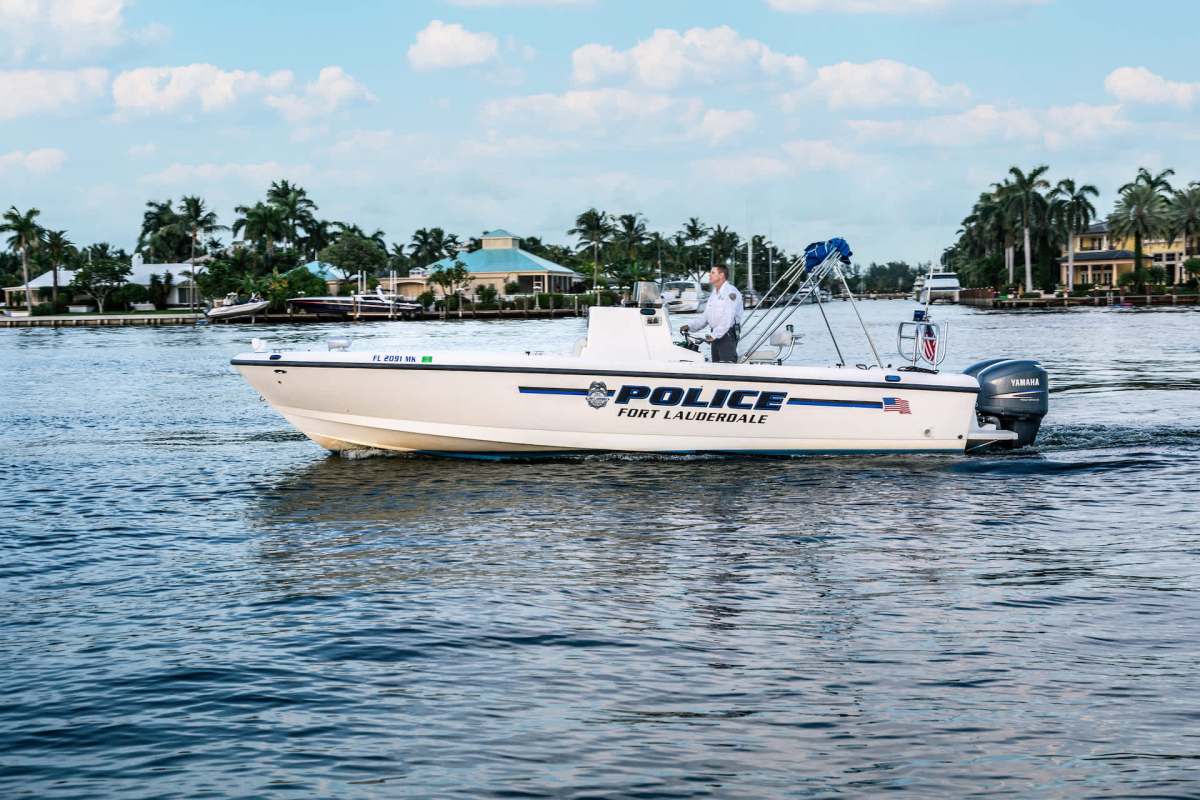
Florida's new Boater Freedom Act has some anglers worried about what will be left in their nets. It could be a story of more freedom for some but emptier waters for others.
What's happening?
The Tampa Bay Times reported that Gov. Ron DeSantis signed the Boater Freedom Act in May. Officers can no longer search boats for illegal catches during routine safety checks. Before, they could open coolers without probable cause to enforce fishing rules (among other laws).
"If you're walking down the street, law enforcement can't just go up to you and stop you and search you," DeSantis said, per the Times report. "But, yet, on the water, that really isn't the case."
Supporters call it a fairness fix. Critics call it a poacher's dream. Matt DePaolis, an environmental policy director, told the Times, "It's a real worry that it will be much easier to get away with poaching now, because it is very difficult to catch someone in the act."
Alan Richard, a former wildlife commission captain, called it an "abomination." He recalled stopping a boat once for suspicious maneuvers to avoid his patrol. Officers found 486 pounds of cocaine hidden under the deck. "That just wouldn't have happened under this new law," he said.
Why is this law concerning?
Imagine Florida's fish stocks like a community garden. If people sneak out too many tomatoes, the vines stop producing. On the water, guides lose bookings when there are fewer fish. Families catch less dinner. Restaurants pay more.
TCD Picks » Quince Spotlight
💡These best-sellers from Quince deliver affordable, sustainable luxury for all




DePaolis said, "Having the ability to go and do a quick check seemed like an important enforcement mechanism." Without it, he fears state biologists will need to cut bag limits to protect fish populations.
What can be done about it?
Some believe lawmakers will rethink the law if fish stocks decline. Meanwhile, everyday anglers can follow catch rules, report poaching, and support stronger protections.
Other places have demonstrated that taking action to protect marine life is effective. A before-and-after study found that commercial fishing bans let ocean life bounce back. In India, a fishing ban at Gahirmatha Marine Sanctuary was expected to help olive ridley turtles come back to nest. In one part of Japan, the community banned nighttime crab fishing to help crab numbers recover. And tech solutions such as the Blue Visby program are working to reduce pollution from shipping traffic.
"Our environment is a shared resource. … Until we are managing it effectively, we need to be able to utilize those tools," DePaolis said.
|
Do you worry about air pollution in your town? Click your choice to see results and speak your mind. |
 All the time 💯
Join our free newsletter for good news and useful tips, and don't miss this cool list of easy ways to help yourself while helping the planet.






