


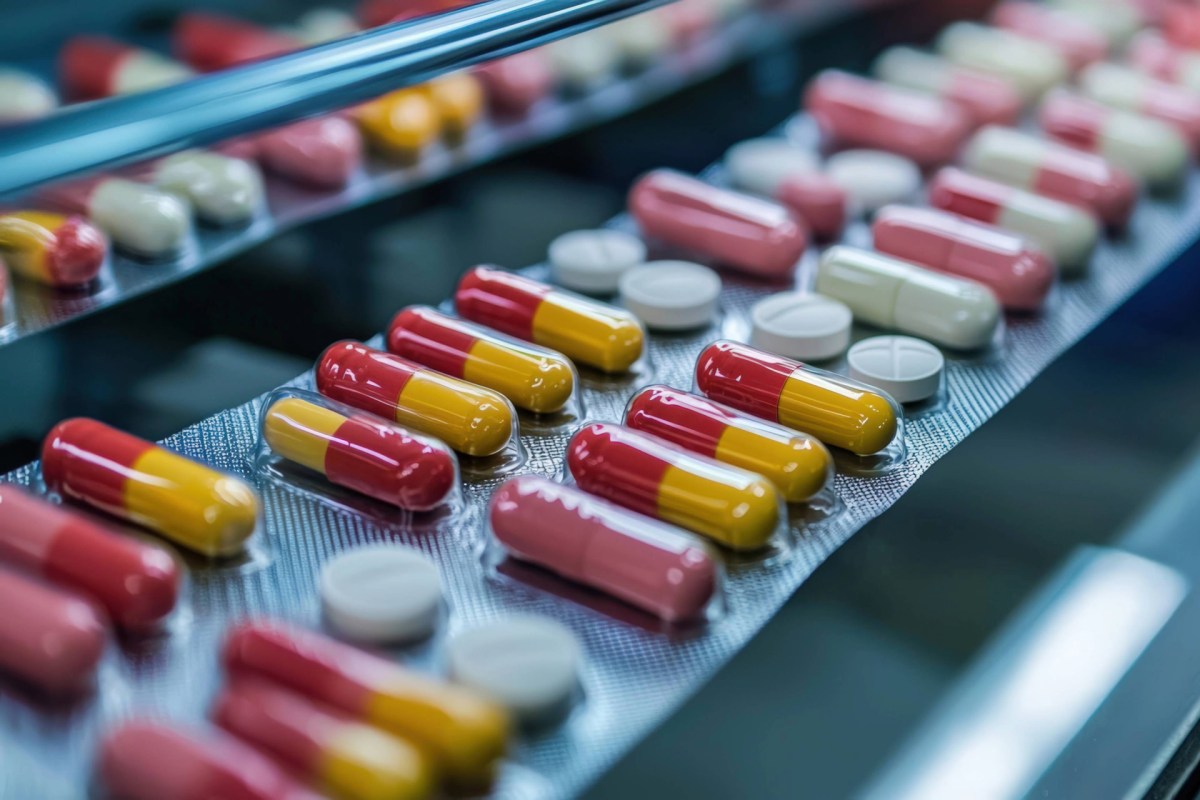
As pharmaceutical consumption has risen in the past couple of decades, pollution from the companies that manufacture these drugs has drastically risen.
What's happening?
A study recently published in the Lancet Planetary Health found that planet-warming gas pollution from the pharmaceutical sector rose by 77% from 1995 to 2019.
This is a result of an increase in prescription drug consumption during that time. More pharmaceuticals have led to significant waste, which ranges from 3-50%, according to lead author Rosalie Hagenaars.
Hagenaars said in a release from Leiden University (via Phys.org) that expired stock, overprescription, and big package sizes are contributors to waste. Many countries do not have options for patients to return unused medication. People often end up flushing their extra pills, which can end up contaminating your local water sources and harming the wildlife living in them.
Additionally, manufacturers consume a lot of energy, which contributes to the pollution that the pharmaceutical industry puts into the world.
Why is pharmaceutical pollution important?
At a time when many sectors are considering how to reduce their pollution, the pharmaceutical industry's pollution is growing at an alarming rate.
TCD Picks » Quince Spotlight
💡These best-sellers from Quince deliver affordable, sustainable luxury for all




Manufacturers should do whatever they can to curb their contributions of heat-trapping gases in the atmosphere, which are exacerbating the issue of our already-warming planet.
Additionally, pharmaceutical companies should provide resources for properly disposing of drugs. Otherwise, they can end up in our waterways. This is not only a potential threat to human health, but it's also hazardous to aquatic animals. For example, an antianxiety drug called clobazam was found among a population of salmon, and it may be impacting their migration patterns, according to CNN.
What's being done about pharmaceutical pollution?
Hagenaars said that governments can do more to reduce pharmaceutical waste and collect unused medicines. She said there are ways to tweak production and distribution in a way that won't limit access to much-needed medicine.
"These trends won't start on their own, so we need government intervention," she said, via Phys.org.
|
Should the government be able to control how we heat our homes? Click your choice to see results and speak your mind. |
 Definitely 👍
 There's a long way to go in figuring out how to curb this growing cause of pollution. Researchers can start addressing this problem when companies start collecting better data about their pollution output.
"We now know pharmaceutical emissions are a problem, but without better data and systematic research, we're only guessing at solutions," study co-author Ranran Wang said, via Phys.org.

Join our free newsletter for weekly updates on the latest innovations improving our lives and shaping our future, and don't miss this cool list of easy ways to help yourself while helping the planet.






