


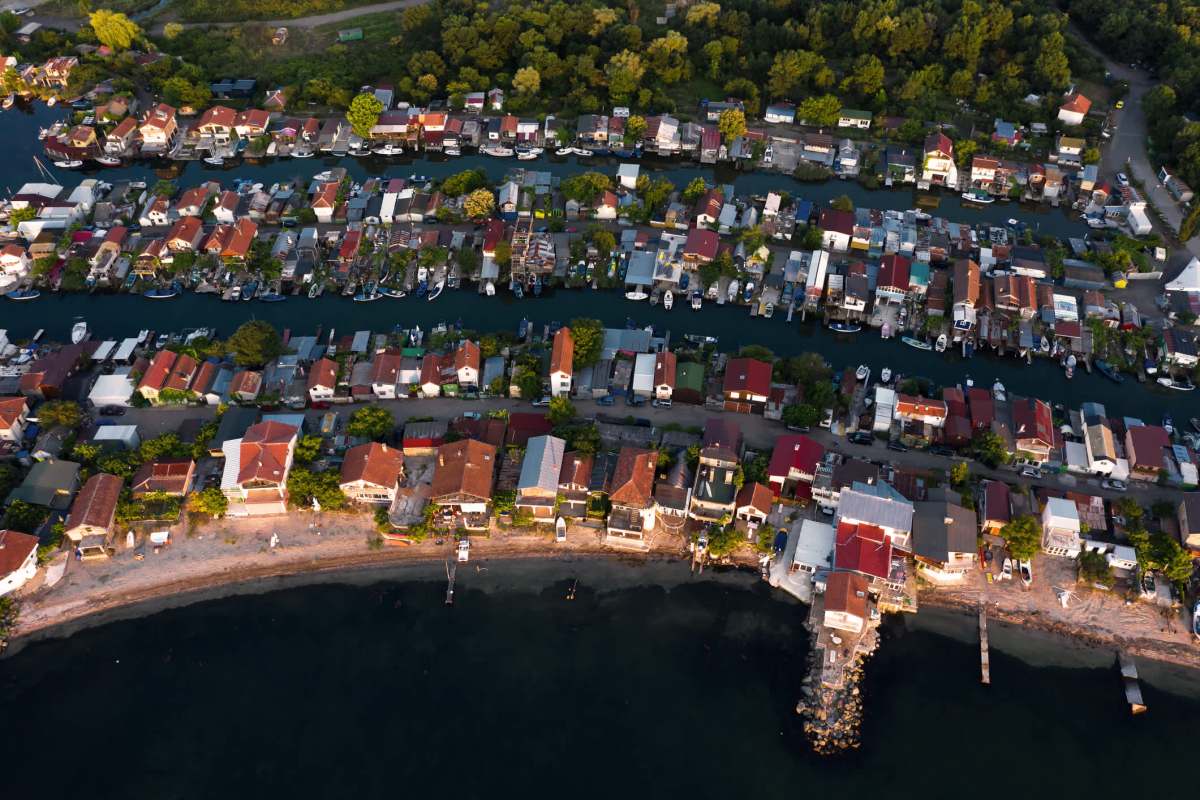
Where you live can affect different aspects of your physical health. For example, scientists have found that residents in coastal towns have an increased disability risk.
What's happening?
A study from the American Academy of Neurology, shared by Medical Xpress, observed the health of residents across 218 coastal counties in the United States. It revealed an association between the presence of microplastics in the water and the incidence of disability.
"In coastal communities with higher levels of microplastics in the water, there were higher rates of disabilities," said Sarju Ganatra, the medical director of sustainability at Lahey Hospital and Medical Center.
Communities next to bodies of water that contained the highest level of microplastics had a 15.2% prevalence of thinking and memory disabilities and a 14.1% prevalence of mobility disabilities. Comparatively, those in waterside areas that had the lowest level of marine microplastics recorded 13.9% and 12.3%, respectively.
"These findings provide insights into how marine microplastics might affect brain health," Ganatra said.
Community exposure to microplastics may happen from consuming seafood that has ingested microplastics in the water. Microplastics can also be found in drinking water, soil, and the air.
TCD Picks » Quince Spotlight
💡These best-sellers from Quince deliver affordable, sustainable luxury for all




Why are microplastics concerning?
Researchers are convinced that there are no humans left on Earth to use as a control group in studies on microplastics, according to MedShadow. This means that almost everyone has some amount of microplastics in their bodies.
Microplastic exposure is associated with brain degeneration and physical disability — as this coastal community study has found — as well as other health conditions, including respiratory and lung disease, pregnancy complications, and endocrine disruption. Humans are not the only living beings affected by microplastic pollution — aquatic animals and other wildlife species are too.
Microplastic pollution is pervasive and has contaminated almost every surface of this planet, threatening the health and well-being of all living beings that inhabit it.
|
Do you worry about air pollution in your town? Click your choice to see results and speak your mind. |
 All the time 💯
 What's being done about microplastics?
Fortunately, innovative thinkers are discovering methods to help control and manage microplastics.
Scientists from the University of British Columbia have created a microplastic filtration material out of sawdust and plant tannins to filter microplastics from water. It has a success rate of 95.2% to 99.9%.
Meanwhile, Cleaner Seas Group has created a filter to collect the microplastic fibers from polyester (or other plastic clothing) that contaminate water during laundry cycles.
You don't have to be a renowned scientist, however, to limit your microplastic exposure. Making the switch from plastic to recyclable or biodegradable options can help you to live a healthier life.

Join our free newsletter for weekly updates on the latest innovations improving our lives and shaping our future, and don't miss this cool list of easy ways to help yourself while helping the planet.






