


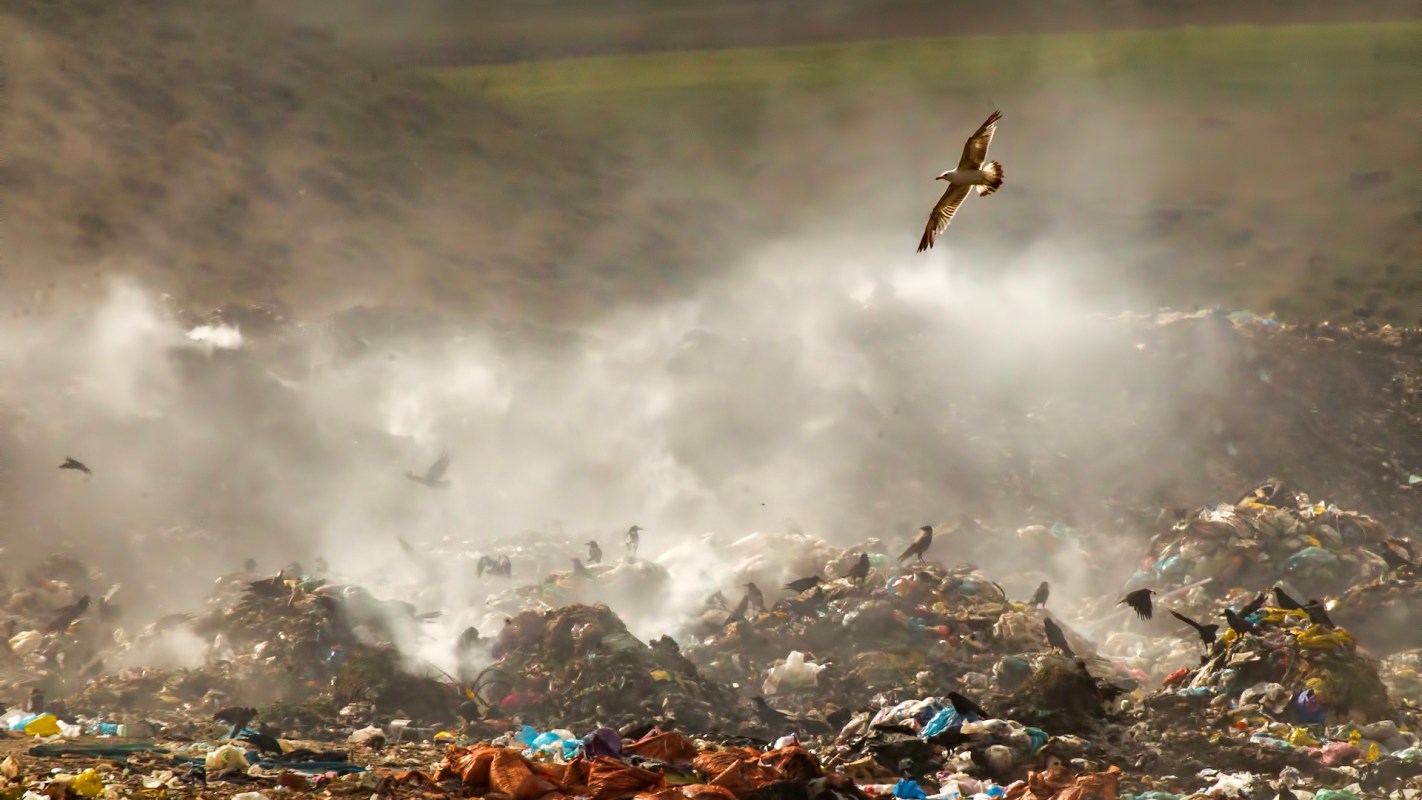
A new study revealed a surprising source of landfill waste in Wisconsin — and the problem has grown since the state's Department of Natural Resources last looked into the matter.
What's happening?
The DNR hired consulting firm HDR to evaluate the state's progress on limiting food waste, according to Wisconsin Public Radio.
Previously, a 2020-21 study found that food accounted for 20% of trash in the state's landfills, with 854,000 tons, or 294 pounds per person, ending up as waste annually. Shockingly, the analysis concluded that people could have consumed three-quarters of that food.
The latest data reveals challenges lie ahead if the Badger State wants to achieve its goal of cutting food waste in landfills in half by 2050 compared to 2020 levels.
In fact, Wisconsin's estimated food waste increased to 900,000 tons during the study period, with residential sources making up the largest share at 47%.
Why is food waste important?
Many families worry about how they'll pay for their next meal amid inflation, rising costs of living, and insecurity in a shifting job landscape.
At the same time, up to 40% of the country's food supply ends up as waste, increasing businesses' operating costs and costing an average household of four nearly $3,000 annually, according to the Environmental Protection Agency, which funded Wisconsin's evaluation.
Furthermore, food waste produces air pollution.
Meaningfully reducing the volume that heads to landfills would go a long way toward supporting struggling families, local economies, and a healthier, more balanced environment.
Is Wisconsin doing anything about this?
The report acknowledged that the state's "existing programs and infrastructure are not currently sufficient to divert all food waste from landfills." That includes food donation outlets, which handled a mere 2% of statewide food waste in 2023, according to ReFED.
TCD Picks » Upway Spotlight
💡Upway makes it easy to find discounts of up to 60% on premium e-bike brands





|
What's the most you'd pay per month to put solar panels on your roof if there was no down payment?
Click your choice to see results and speak your mind. |
 $200 or more 💰
 "Oftentimes they face logistical challenges, which could include storage, space, funding, personnel," Amanda Erickson, HDR's solid waste planner, explained to Wisconsin Public Radio.
Additionally, only 30 of the state's 286 licensed composting facilities accept food waste. (Composting drastically reduces methane pollution as food breaks down.)
To address this, the report recommends expanding food rescue programs and reforming policies to promote additional donations, including for businesses interested in supplying food for animal feed. Wisconsin also hopes to engage the public through educational campaigns.
"[What] we're looking to do is increase public awareness of the food waste, impacts on people and businesses, and ways that we can reduce those impacts, reduce what's going to landfill, and also help … feed people who don't have enough to eat," said Sarah Murray, the DNR's recycling and solid waste section manager, per Wisconsin Public Radio.
What can I do about this more broadly?
You can manage your food waste more sustainably by composting your food at home with a low-effort tumbler. Meanwhile, storing food properly will keep it fresher for longer.
If you're going on vacation, freeze items that will go bad before you leave town. You'll avoid the hassle of a grocery run after your trip while ensuring your money is well spent.

Get TCD's free newsletters for easy tips to save more, waste less, and make smarter choices — and earn up to $5,000 toward clean upgrades in TCD's exclusive Rewards Club.
Cool Picks




