


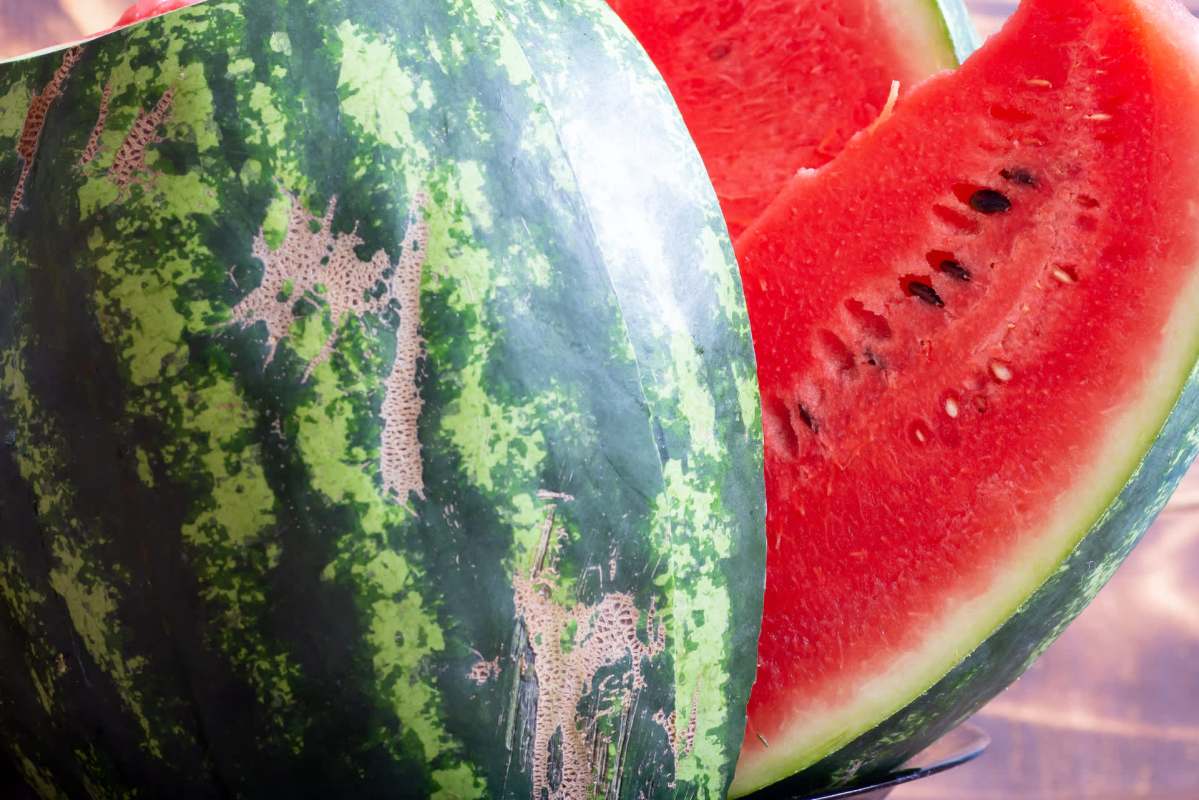
From the varieties and range of shapes to the opportunities for fruit salads, melons are a highlight during scorching temperatures.
But one habit that many of us have is to toss the rinds, even though we often pay for summer fruit by the pound.
One influencer shared a hack on how to utilize the rind of one of the heaviest melons on the market, so we don't have to waste a penny.
The scoop
Matt (@morocooks) shared a unique recipe for how to make kimchi using watermelon rinds.
@morocooks We are at peak watermelon season so i'm reposting this video. I'm also mid move rn but more vids on the way promise Watermelon rind kimchi: 1 lb watermelon rind 1/2 tbsp salt 1 tbsp rice wine vinegar 2 garlic cloves, minced 2 tbsp gochugaru 1/4 cup blended watermelon juice (one medium melon will give around 3/4 lbs rind so multiply as needed) Follow @morocooks for more cool 😎 summer recipes . . . . #watermelon #food #recipe ♬ original sound - matt | morocooks
In overlaid text on the demonstration video, Matt wrote: "How to get more food out of your food."
He showed himself slicing the rinds, preparing them with salt, letting them rest, and eventually cooking them with rice vinegar, cloves, gochugaru, and blended watermelon juice.
How it's helping
Melons are often priced by weight, instead of per unit. But a lot of that weight is in the rind, which is often tossed into the compost. This recipe allows consumers to make use of every cent they pay for the melon, just like they do with apples and berries.
Encouraging recipes that promote a zero-waste kitchen also helps reduce food waste. In the U.S. alone, 92 billion pounds of food is wasted, which is the equivalent of 145 billion meals tossed into the trash, according to Feeding America.
While it's a common practice to toss the extras of produce — such as the leaves of carrots, the rinds of melons, and the stalks of broccoli — so much more of the plants we already consume are edible, too, and do not need to be tossed.
Kimchi is also an incredibly healthy fermented food. Fermented foods introduce probiotics, which encourage healthy digestion and diverse gut bacteria. It can also be made vegan.
TCD Picks » Quince Spotlight
💡These best-sellers from Quince deliver affordable, sustainable luxury for all




|
Which sustainable cooking change are you most interested in trying?
Click your choice to see results and speak your mind. |
 Reducing my food waste 🗑️
 "Most societies throughout the world and throughout time have included fermented foods as part of their diet," says Dr. David Ludwig, a professor of nutrition at Harvard University.
Furthermore, fermenting is an incredible way to extend the shelf life of vegetables and preserve them to enjoy during the colder months when a smaller variety of vegetables may be available.
What everyone's saying
Matt's followers complimented him on his zero-waste instincts and for educating them about the edible rinds. Some had commented that they had already tried and loved the recipe.
"Wow, never thought about eating the outer part," one TikToker wrote.
"We can stir fry the rinds like [other] vegetables!" one user shared.
"Just made the kimchi out of it and it is soooo good! Definitely going to see how it is after sitting in the fridge overnight," another commented.

Join our free newsletter for easy tips to save more and waste less, and don't miss this cool list of easy ways to help yourself while helping the planet.
Cool Picks




