


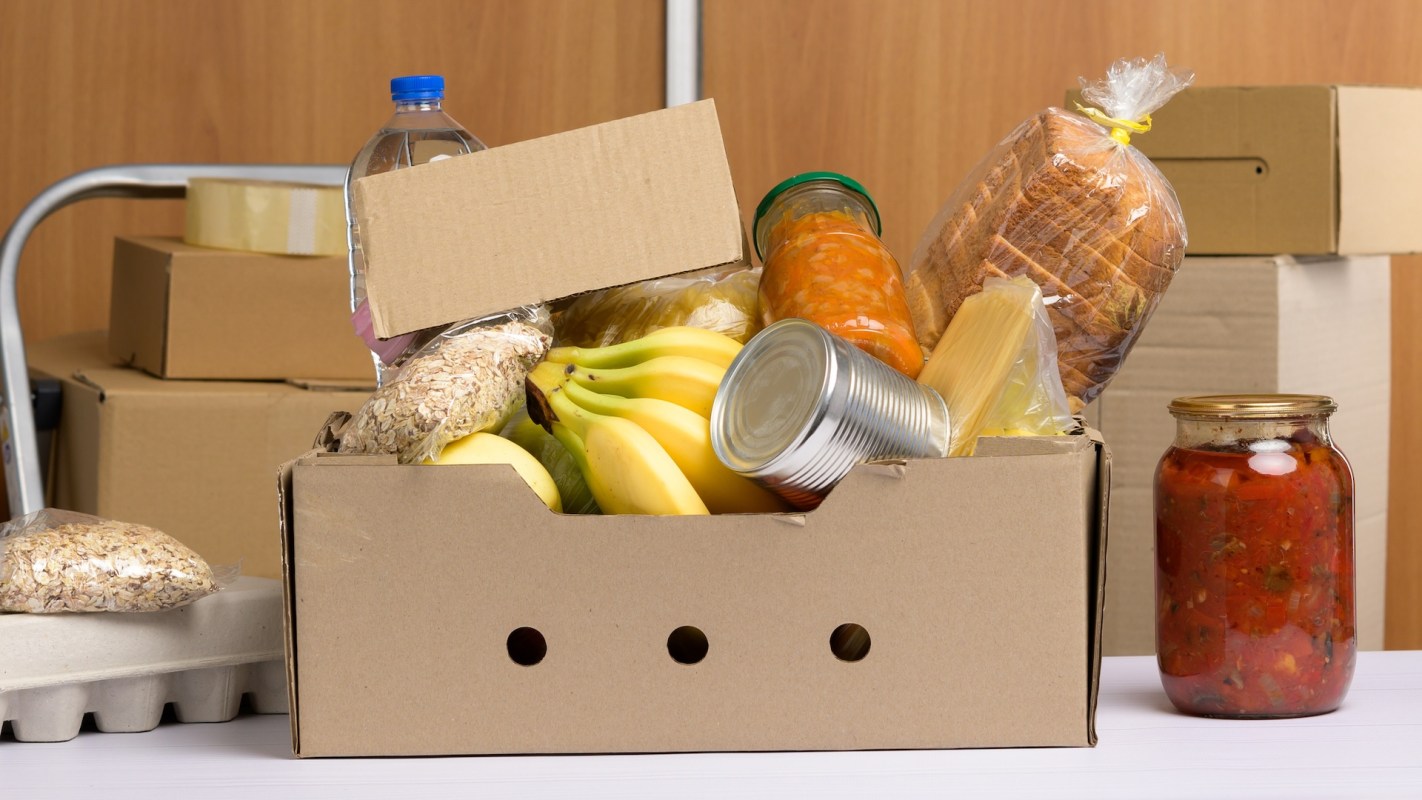
Perfectly edible food is still being thrown away or diverted from the people who need it most.
A new look at grocery waste by The Conversation shows that U.S. retailers could be doing much more to get safe surplus food onto food bank shelves rather than sending it to lower-value waste streams.
What's happening?
A 2026 report from the nonprofit ReFED, cited by the outlet, found that only 13% of grocery retailers' surplus food is donated to food banks.
Much of the remainder is redirected elsewhere, The Conversation noted. Some is composted, some goes to animal feed, fuel, or other industrial uses, and some is sold at steep discounts as it nears the end of its shelf life.
Even so, part of that food still ends up in landfills or incinerators rather than reaching families facing food insecurity. That shortfall is especially striking as grocery prices continue to press household budgets and many Americans lose access to SNAP benefits.
The Conversation explained that a major obstacle is that food banks often do not receive reliable estimates from retailers of how much surplus food will be available for pickup, making timely donation planning harder.
TCD Picks » Quince Spotlight
💡These best-sellers from Quince deliver affordable, sustainable luxury for all




"This data could go a long way in closing the gap between the amount of food that's available to donate and what actually is donated," the outlet noted.
Why does it matter?
When food that is still safe to eat is not redirected quickly, families miss out on meals, and stores still generate pollution and disposal costs from food that took land, water, energy, labor, and transportation to produce.
Food sent to landfills also creates methane, a potent planet-warming gas.
Not every unsold item can or should be donated. Food has to be safe for human consumption, handled correctly, and moved quickly enough to remain usable.
Donations depend not only on retailer willingness but also on cold storage, transportation, staffing, and timing at local food banks and pantries.
What's being done?
Improving communication between retailers and food banks could enable more donations, The Conversation argued. If stores regularly share what they have and when it will be ready, food banks can better organize staffing, storage, and pickup routes.
Food banks may also need more capacity to handle perishables, including refrigerated trucks, warehouse space, volunteers, and funding to safely recover items such as dairy, produce, and prepared foods.
Without that infrastructure, even well-intentioned donations can be hard to accept, The Conversation said.
There are already examples of food-rescue models that aim to close this gap. There are apps that let consumers claim still-good food, as well as grocery stores that actively work to donate excess food.
Buying marked-down food, freezing what cannot be used right away, and supporting local pantries with money or volunteer time can help strengthen that system without pretending individual action can solve the whole problem.
"Better data and more reliable staffing would go a long way in making sure that more donated food gets to those who need it the most," The Conversation concluded.

Get TCD's free newsletters for easy tips, smart advice, and a chance to earn $5,000 toward home upgrades. To see more stories like this one, change your Google preferences here.







