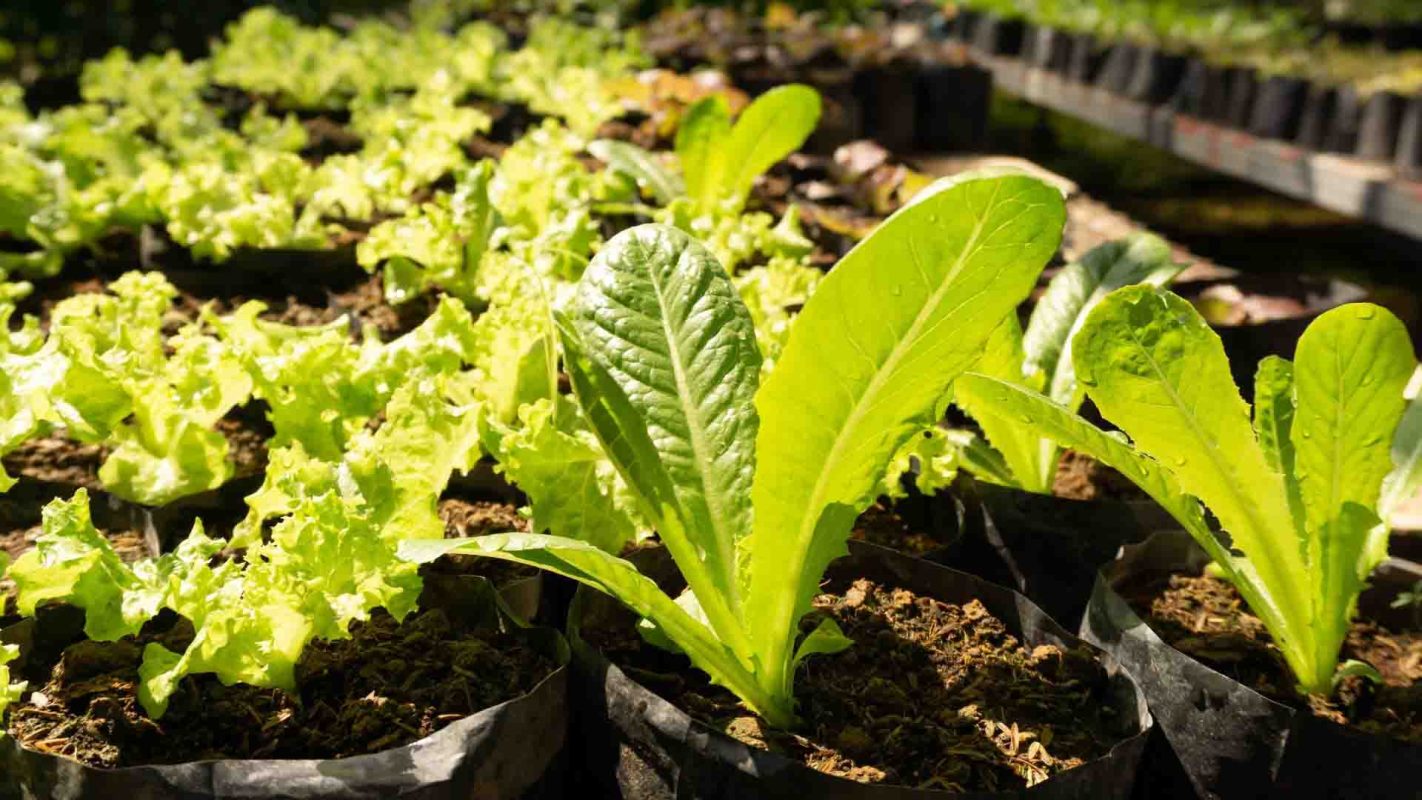
Members of the Oglala Sioux Tribe in South Dakota are operating walipini — underground greenhouses — to support food sovereignty amid climate change, inflation, and public health crises.
According to a recent report by The Guardian, the Oglala have built at least eight of these underground greenhouses in the last decade. They're modeled after a Bolivian underground greenhouse developed thirty years ago to help bring food security to rural communities.
The reservations tap into geothermal energy to maintain a stable temperature year-round, about 52 degrees Fahrenheit. Some also pull heat from deeper in the Earth through tubing systems. Others also absorb heat from the surface, pulling in solar energy from the sun.
The need for food sovereignty comes as the Oglala have some of the highest poverty rates in the country. More than half of the residents of Oglala Lakota county live below the poverty line.
The reservation is classified as a food desert, which the USDA defines as a tract in which "at least 100 households are located more than one-half mile from the nearest supermarket and have no vehicle access; or at least 500 people, or 33 percent of the population, live more than 20 miles from the nearest supermarket, regardless of vehicle availability."
Lack of access to fresh, healthy food can worsen diet-related health issues, including type-2 diabetes, heart disease, and certain types of cancer.
Perk up the winter blues with natural, hemp-derived gummies Camino's hemp-derived gummies naturally support balance and recovery without disrupting your routine, so you can enjoy reliable, consistent dosing without guesswork or habit-forming ingredients. Flavors like sparkling pear for social events and tropical-burst for recovery deliver a sophisticated, elevated taste experience — and orchard peach for balance offers everyday support for managing stress while staying clear-headed and elevated.
Learn more → |

Indigenous communities are also among the highest at risk of severe threats from climate change. Battling heatwaves and intense rainstorms make reservation life increasingly more challenging.
"Our Reservation is not in a position to handle another severe weather storm," Julian Bear Runner, then president of the Oglala Sioux Tribe, told the U.S. House natural resources committee in 2019 after a major flood.
Underground greenhouses can be constructed rather inexpensively. One community member, Bryan Deans, president of Oglala Lakota Cultural & Economic Revitalization Initiative, built one from $3,500 raised via crowdfunding.
Deans' greenhouse, which was 1,200 square feet in size, was constructed using dirt-filled tires for walls along with other upcycled materials. The build took less than three weeks.
TCD Picks » Upway Spotlight
💡Upway makes it easy to find discounts of up to 60% on premium e-bike brands





An average underground greenhouse can grow 65,000 starter plants — enough to feed as many as 400 people during a ten-day annual event that teaches people about underground greenhouses and other climate-ready living techniques.
"This is a third-world country in the middle of the United States," Deans told The Guardian. "You can either look at it as if it's hopeless, you can't do anything … Or you can look at it as well, nothing's been done here, so anything can be done here."
Want more? Follow The Cool Down on Instagram and join our Weekly Newsletter for cool stories and easy tips that save you money, time, and our planet.
Cool Picks