


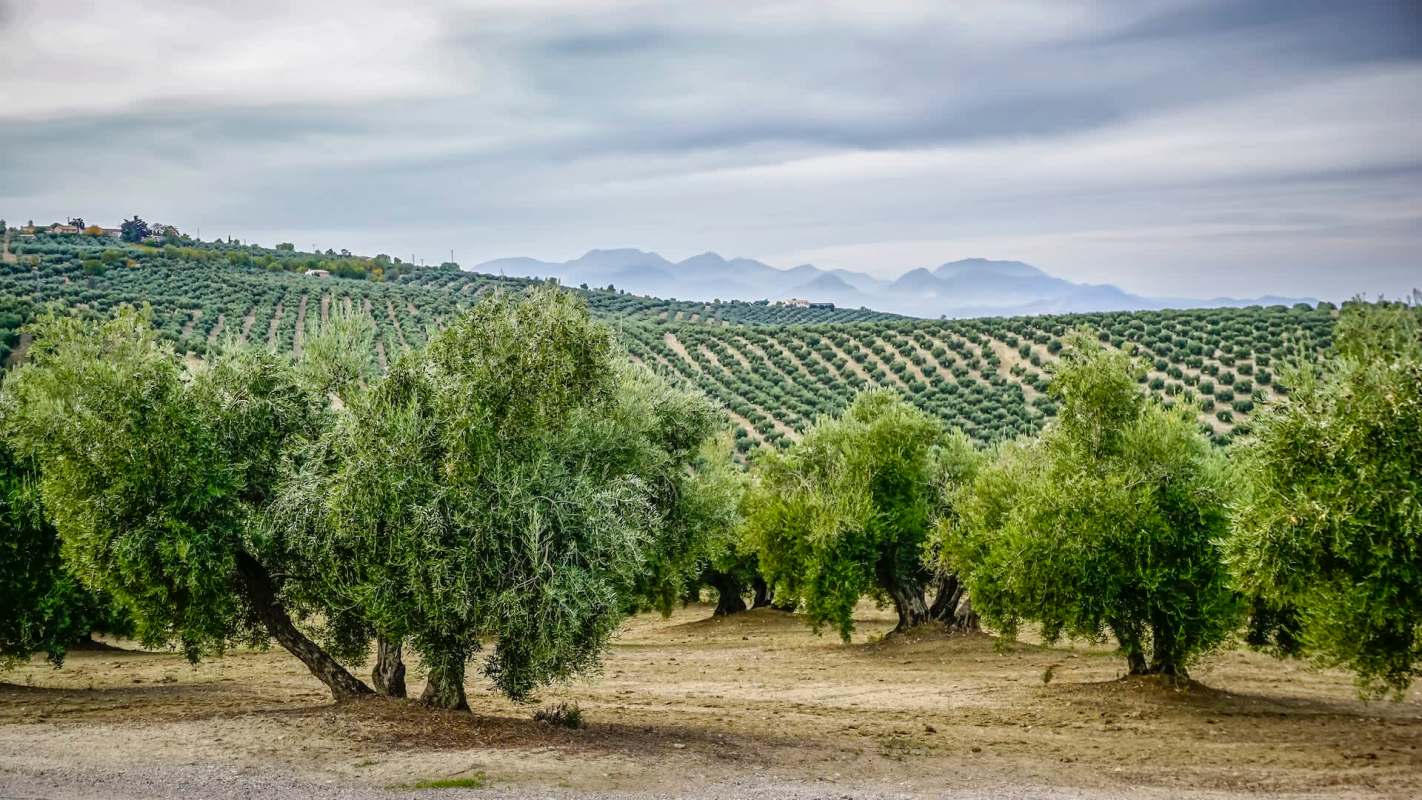
Olive farmers in Syria are facing one of their worst harvest seasons ever. Changing weather patterns and a prolonged conflict have affected crop yields, threatening food security and driving food prices up.
What's happening?
Syria was a major global olive producer prior to the civil war that began in 2011.
According to the Arab Reform Initiative, the country had more than 79 million olive trees, producing about 1.1 million tons of olives. Daraa province was home to more than 6.5 million olive trees that spanned up to 30,000 hectares, according to The Syrian Observer.
At the start of the war, olive production in Daraa stood at 75,800 tons per year, per Syria Direct. During the conflict, this number declined as olive farmers were forced to abandon their trees and farmland in search of safety. By 2022, olive production in Daraa had reached a low of 22,300 tons annually, a 70% decline.
Though data shows that olive production had been steadily rising since 2022, this past harvest season, cursed with the country's worst drought in over four decades, became the lowest yield on record.
In 2025, olive farmers in Daraa produced only 10,000 tons of olives — a 68% reduction compared to yields in 2024.
"The current season is one of the worst in more than 20 years. The yield per olive tree has dropped by half compared to last year," said Muawiya al-Zoubi, an olive farmer in eastern Daraa, per Syria Direct.
Why are declining crop yields important?
Olive trees are native to Syria.
Native plants have generally adapted to local climates and are drought-tolerant because of their root systems, which allow them to source water and nutrients from deep underground.
However, this year's olive yields suggest that the extreme drought that hit Syria and surrounding countries was so severe that even native plants struggled to survive.
TCD Picks » Quince Spotlight
💡These best-sellers from Quince deliver affordable, sustainable luxury for all




|
What is the biggest reason you don't grow food at home? Click your choice to see results and speak your mind. |
 Not enough time ⏳
 Droughts and other extreme weather events, including flash floods and monsoons, have devastated farmers globally.
Almond production in Portugal fell 85% because of heavy rainfall, for example. A historic drought in Vermont drastically reduced corn production. Farmers in India faced the worst monsoon in the last 45 years, damaging major crops such as grapes.
Crop losses not only threaten food availability for local communities, but they also increase the production costs for farmers. This increased cost is passed on to consumers via inflated grocery prices.
What's being done about declining crop yields?
Changing weather conditions and rising temperatures have large impacts on crop production, underscoring the importance of adopting climate-resilient agricultural practices.
Though extreme weather conditions are not easily predictable, trends show that these devastating events are becoming more frequent and intense. The agricultural industry must adapt to protect the global food supply.
Watermelon farmers in Florida have employed automatic irrigation systems that keep their fields watered without wasting any of the vital resource. The technology, which serves over 1,883 acres of farmland, has saved more than 165 million gallons of water compared to traditional irrigation systems.
Researchers in Kenya have developed a mobile solar irrigation system that supplies farmers with water in dry climates. This development allows farmers to protect their crops without having to drastically change infrastructure to support additional irrigation.

Get TCD's free newsletters for easy tips to save more, waste less, and make smarter choices — and earn up to $5,000 toward clean upgrades in TCD's exclusive Rewards Club.
Cool Picks




