


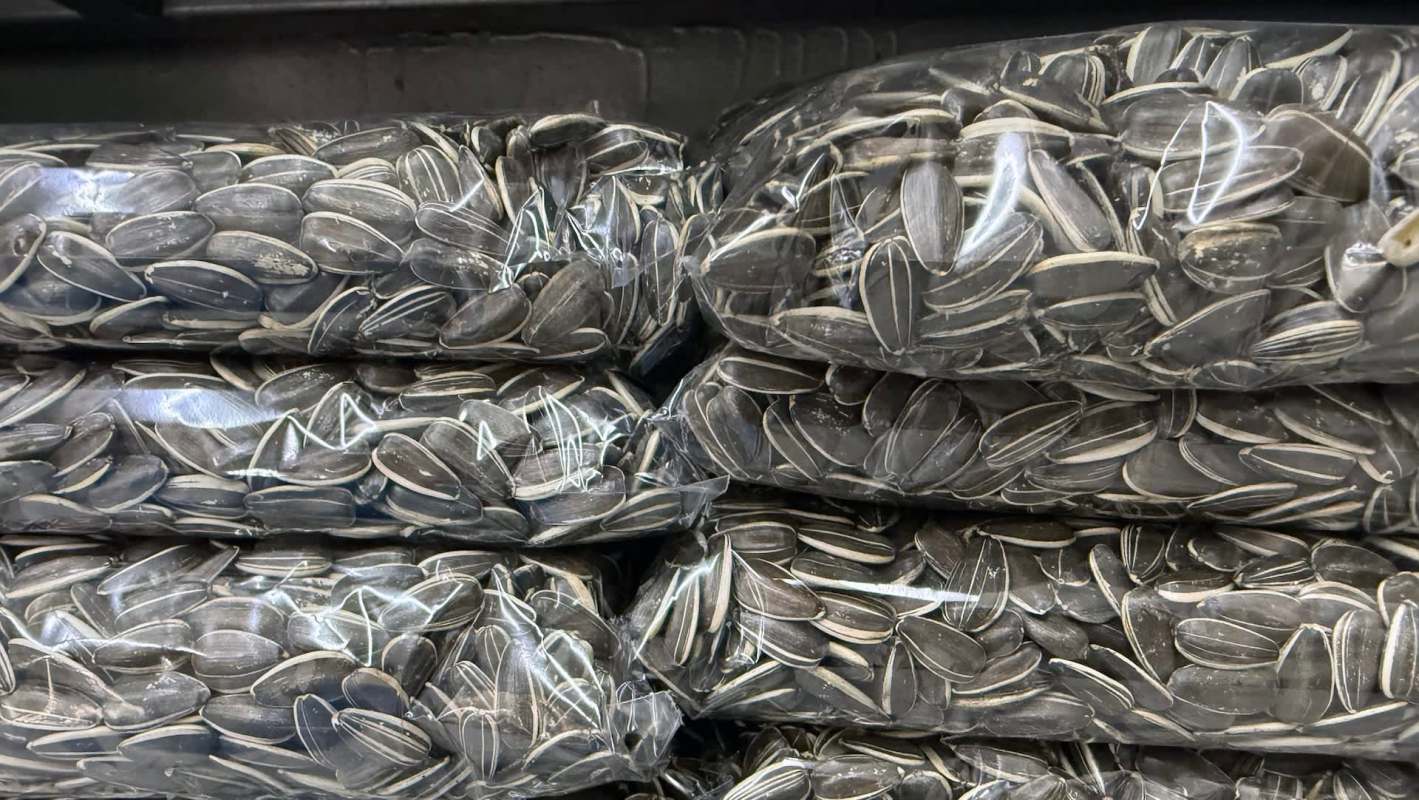
A recall covering more than 13,000 pounds of sunflower seed products sold at Walmart and other retailers in 23 states has been issued after the items were found to potentially contain an undeclared tree nut allergen, according to The Healthy.
The recall applies to several packaged sunflower seed products made by Pennsylvania-based George J. Howe Co. Although no illnesses have been reported, the labeling issue could pose a serious risk for anyone with a tree nut allergy.
What happened?
George J. Howe Co. voluntarily recalled 13,619 pounds of sunflower seeds, according to an announcement from the U.S. Food and Drug Administration and later shared on Walmart's recall page.
The company said the products may contain undeclared cashews because of an "oversight" tied to a packaging change during production. For people with a tree nut allergy, even a small amount can trigger a severe reaction.
The recalled products are "Fresh Roasted Sunflower Seeds, Lightly Salted," "Fresh Roasted Sunflower Seeds, No Salt," and "Sunflower Seeds, roasted and salted."
The products were distributed through retail grocery chains such as Foodland, Giant Eagle, Piggly Wiggly, Shop Rite, Shop N Save, Walmart, and other independent grocers, as well as foodservice accounts, specialty retailers, and concession and airport operators.
TCD Picks » Quince Spotlight
💡These best-sellers from Quince deliver affordable, sustainable luxury for all




The affected states were Alabama, Arkansas, Florida, Georgia, Iowa, Illinois, Indiana, Kansas, Kentucky, Maryland, Michigan, Minnesota, Missouri, Mississippi, North Carolina, New Jersey, Ohio, Oklahoma, Pennsylvania, South Carolina, Tennessee, Virginia, and Wisconsin.
Why is this recall concerning?
Undeclared allergens are one of the most common causes of food product recalls, and they can be especially dangerous because consumers may rely on the ingredient label when deciding whether something is safe to eat.
That risk matters here because sunflower seeds are often seen as a simple, healthy snack and are commonly added to salads, trail mix, and packed lunches.
The recall also points to a broader food safety issue. While recalls can seem like isolated mistakes, they often reveal larger weaknesses in food production, including packaging errors, rushed production changes, inconsistent oversight, and gaps in safety checks. When a product moves through major retail chains and multiple distributors, a single error can spread across a wide area before shoppers are aware of it.
That is why fast public notice and clear communication matter. Quick action gives households a chance to avoid a medical emergency, reduce confusion, and make informed decisions about what they have in their pantry.
What can shoppers do now?
Anyone who recently bought sunflower seed products should compare the package name, Universal Product Code (UPC), and best-by date with the FDA recall notice. If the product matches, it should not be eaten. Consumers should either return it to the store where it was purchased or dispose of it safely.
People with a tree nut allergy should be especially careful. If the product was consumed and symptoms of an allergic reaction develop — including swelling, hives, vomiting, or trouble breathing — medical attention should be sought immediately.
It may also help to sign up for FDA or retailer recall alerts, especially in households managing food allergies. Monitoring recall notices can make it easier to catch a problem early, before a routine pantry item turns into a health risk.
More broadly, shoppers can support companies and retailers that respond quickly, communicate clearly, and improve safety practices after a recall. Stronger labeling, better production checks, and faster disclosure all reduce the likelihood of such mistakes happening again.

Get TCD's free newsletters for easy tips, smart advice, and a chance to earn $5,000 toward home upgrades. To see more stories like this one, change your Google preferences here.







