


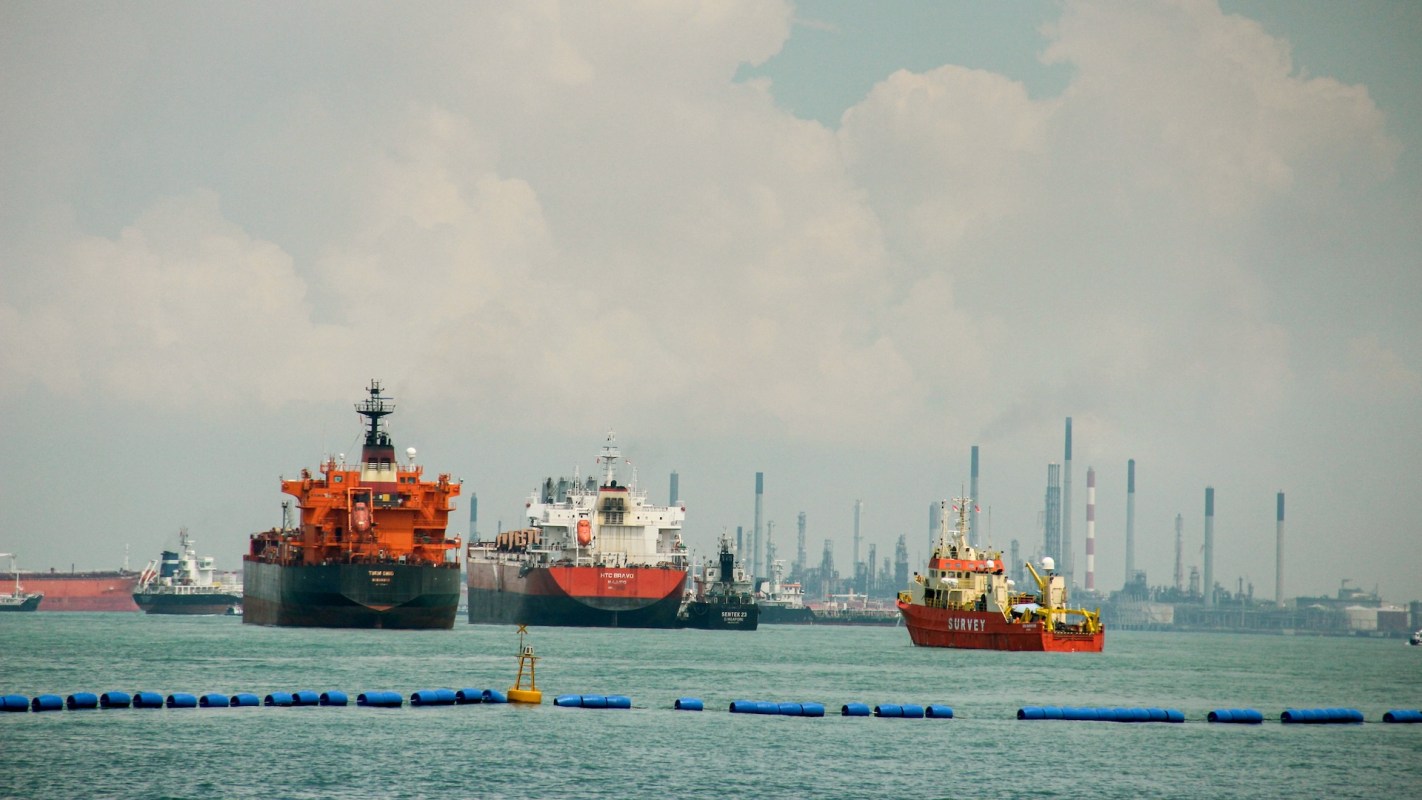
U.N. officials said the blocking of the Strait of Hormuz is becoming more of a food security threat, according to Inside Climate News.
What's happening?
Máximo Torero Cullen, chief economist at the United Nations' Food and Agriculture Organization, called the strait "a critical failure point for global food security," in a piece published by the Council on Foreign Relations.
Inside Climate News, citing U.N. Trade and Development, reported that about one-third of fertilizer shipped by sea had been moving through the route before the closure.
The outlet also reported that the World Bank expects fertilizer prices to rise by about 31% on average this year.
FAO chief economist Máximo Torero Cullen added in his piece that the disruption has created "an unprecedented shock to agricultural inputs" that could interfere with global food production into next year.
Inside Climate News pointed out that even a moderate breakdown in supply chains could drive tens of millions more people into hunger and poverty. If the crisis lasts longer, global food consumption could fall over the next four years.
TCD Picks » Quince Spotlight
💡These best-sellers from Quince deliver affordable, sustainable luxury for all




Countries that rely heavily on imports face the greatest danger, with South Asia, East Africa, and the Middle East considered especially vulnerable, per Inside Climate News.
The possibility of a powerful El Niño pattern could further hurt crop yields, compounding the risk, according to Mike Badzmierowski, manager of U.S. agricultural policy at the World Resources Institute.
"The bigger risk is when you stack those shocks. We have to be bold and think about system change," he suggested to Inside Climate News.
Why does it matter?
Fertilizer is one of the core pieces that keep modern agriculture running, so price spikes can quickly ripple through lower harvests, higher grocery bills, and deeper food insecurity.
Families far from the conflict zone could still feel the effects through more expensive staples and added strain on already fragile food systems.
The crisis underscores how dependent agriculture remains on fossil fuels. Synthetic fertilizer production relies heavily on fossil fuels for its creation.
Inside Climate News noted that moving crops and supplies around the world still depends heavily on oil and gas. When those markets are disrupted, food becomes more expensive and less secure.
That dependence harms people and communities in multiple ways. The fossil fuel industry is central to worsening extreme weather disasters that destroy homes, livelihoods, and local economies.
It drives air and water pollution linked to asthma, heart disease, cancer, and premature death, all while keeping household energy costs high even as corporate profits soar.
Industry lobbying also slows cleaner, cheaper energy solutions that could protect public health, reduce bills, and make communities more resilient.
What's being done?
Torero urged governments to move quickly to support farmers and protect food supplies, per Inside Climate News. He added that a "structural transformation" away from fossil fuels was needed, the outlet noted.
Researchers speaking with Inside Climate News say one path is to produce fertilizer closer to where it is used and expand "green ammonia," which uses renewable energy instead of fossil fuels. That buildout would take years and heavy investment.
Others argue that stronger local food systems and agroecological practices can help buffer against price volatility. These approaches can include intercropping, manure as fertilizer, and precision agriculture tools that reduce chemical use, per Inside Climate News.

Get TCD's free newsletters for easy tips, smart advice, and a chance to earn $5,000 toward home upgrades. To see more stories like this one, change your Google preferences here.







