


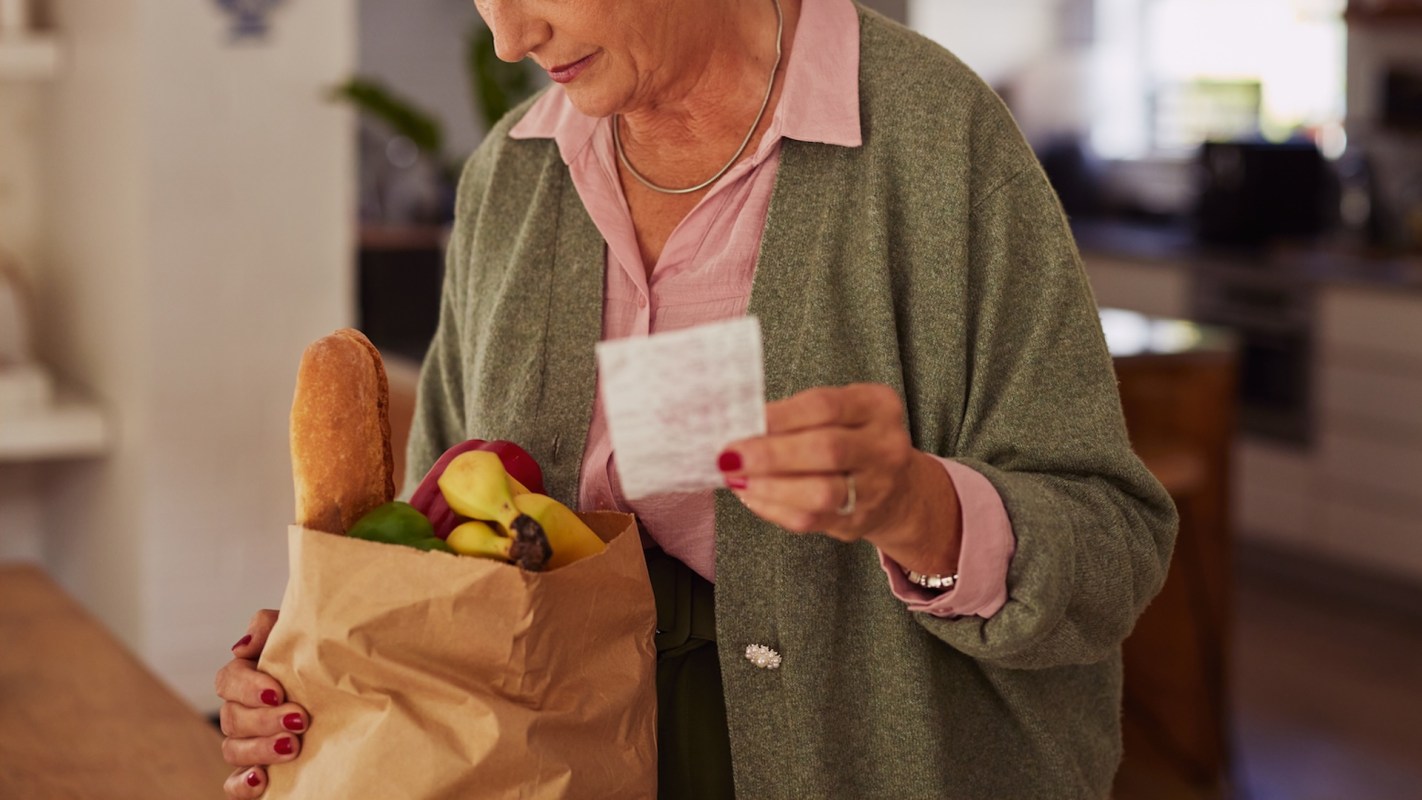
More grocery inflation is brewing. A new industry report says that rising expenses for fuel, fertilizer, freight, and packaging could put food prices under pressure in the next 12 to 18 months.
Households already strained by years of rising costs could soon face another round of difficult choices at the checkout line.
What's happening?
Rabobank sees the U.S. food supply chain heading into a fresh stretch of price swings, with food inflation likely to stay in the mid-single digits through 2027, according to a FreshfruitPortal article.
In Rabobank's forecast, year-over-year U.S. food inflation in December will be 4% to 6%, while the full 2027 rate is projected at 3% to 5%.
The report has centered on turbulence in energy markets. Geopolitical tensions are squeezing supplies of oil, diesel, LNG, and fertilizer, raising expenses for growers, transport companies, and processors. That is even before those costs factor in restaurants and grocery stores.
Rabobank expects uneven price moves across categories. Beef is projected to rise the most, up to 11%. While cheese and butter could gain more than 5%. Potatoes may climb as much as 9%, and lettuce and onions are expected to post more modest increases.
TCD Picks » Quince Spotlight
💡These best-sellers from Quince deliver affordable, sustainable luxury for all




Why does it matter?
Consumers are less equipped to absorb another spike in food prices than they were during the previous inflation spikes.
Grocery prices rose by 30% to 35% in 2021 and 2022, though stimulus payments and pandemic-era savings cushioned some of the impact.
That buffer is mostly gone now. The report says lower and middle-income shoppers face the most pressure, and that weaker demand is more likely to force companies to raise prices rather than to encourage extra spending.
At the same time, food-sector companies face steeper bills for freight and for packaging inputs such as plastics, glass, and aluminum, all of which are affected by energy markets.
Those disruptions can only be absorbed by companies' cash on hand for a short period, after which they have to pass those costs on to consumers.
Stores and restaurants are seeing behavior such as smaller purchases, promotion hunting, and fewer appetizers and desserts being ordered when eating out.
What's being done?
Food and beverage companies will need tighter risk management, stronger supply security, cost cuts, and stricter pricing discipline to get through the next stretch of volatility.
The report also suggested that some companies may have to accept slimmer profit margins, rather than passing every added cost directly onto consumers. Shoppers are becoming more price-sensitive, so rising costs could be the final nail in the coffin.
Comparing unit prices, relying more on private-label products, planning meals around less volatile food categories, and cutting food waste at home can help soften the impact of sudden price increases.
Shoppers are switching to low-cost goods and goods they feel are truly premium. The middle is projected to get hit the hardest. Rabobank attributes a "K-shaped" demand pattern and a "barbell" effect on store shelves to the strain many shoppers face.

Get TCD's free newsletters for easy tips, smart advice, and a chance to earn $5,000 toward home upgrades. To see more stories like this one, change your Google preferences here.






