


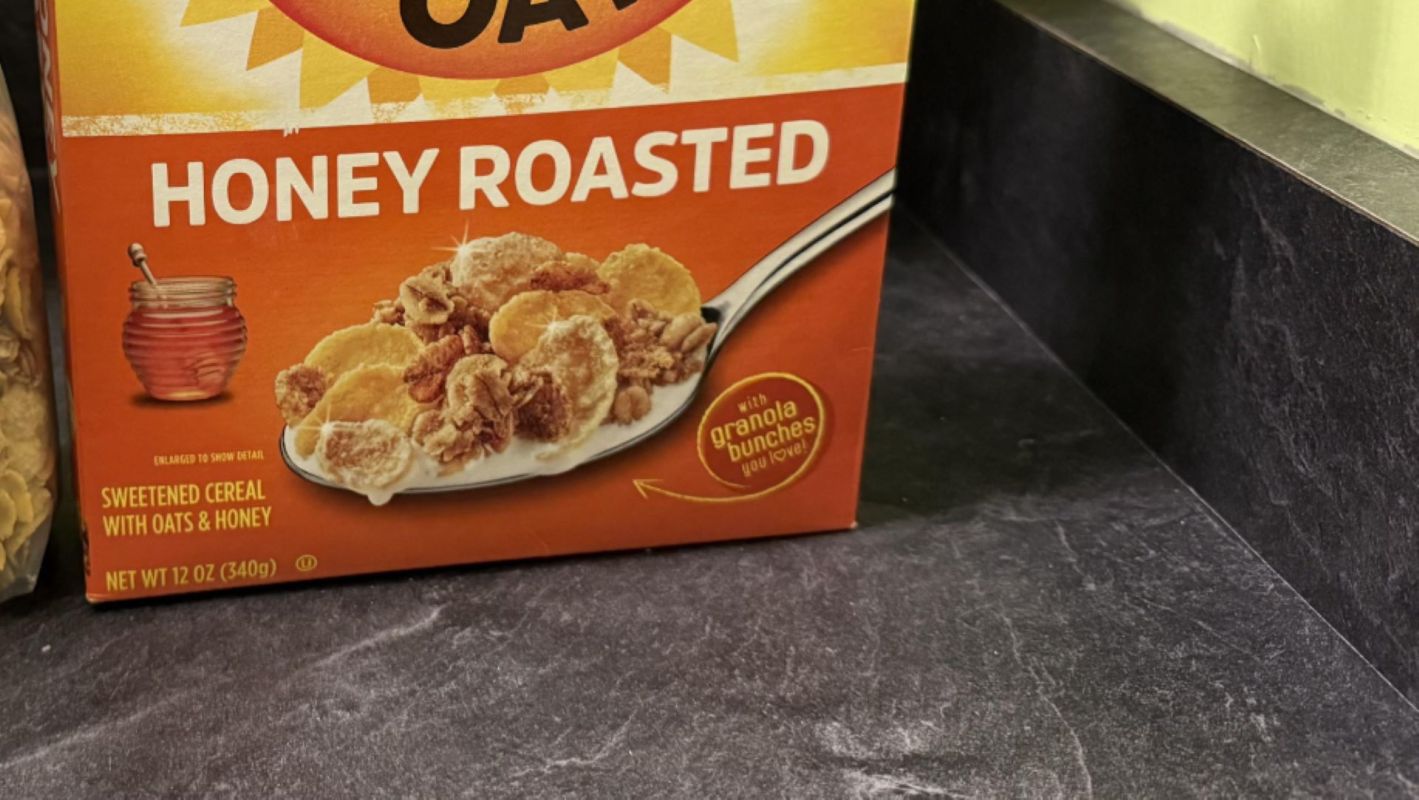
Many companies are using "shrinkflation" — where the product size decreases while the price remains the same — to maintain profit margins amid rising production costs. But one company may have taken the practice too far, as one Reddit user discovered.
What happened?
In the r/a**holedesign subreddit, one shopper vented about their Honey Bunches of Oats cereal, which seemed to contain more plastic packaging than actual product. The user shared an image of the cereal, which wasn't even half full.
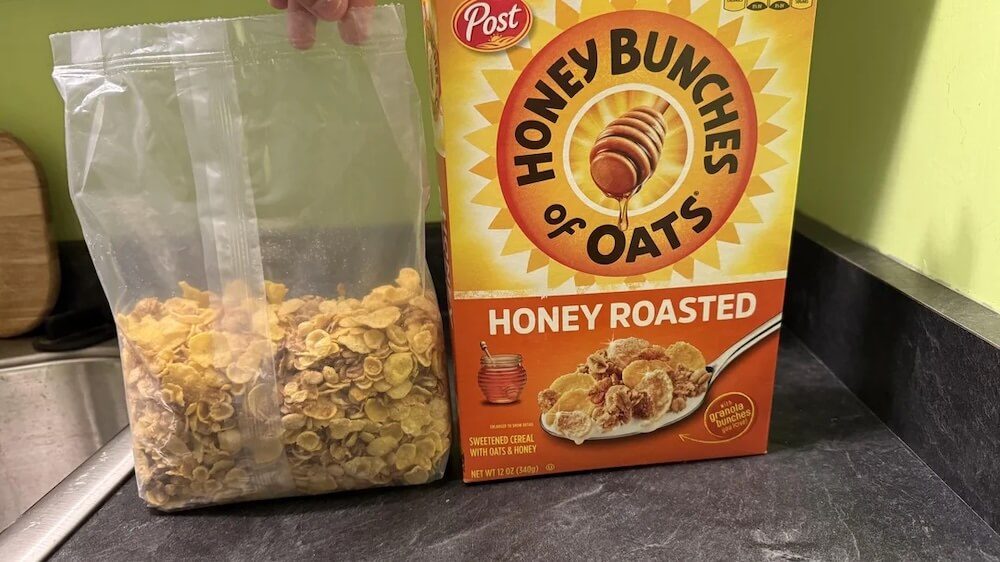
"Cereal went from 4/5 to 1/3 in a bag," the original poster wrote. "The companies claim the emptiness protects the cereal from damage, but more delicate cereal was never damaged 19 years ago when bags were full, and they sure won't be damaged now."
"If it's in secondary packaging (eg the rigid cardboard box), such claims are bull****," one user commented. "Also see the giant bags of cereal that are jam-packed with no extra protection."
"Yeah, it really only takes marginally thicker plastic to accomplish that," another replied. "This is 100% unchecked greed."
"I stopped buying cereal, it's way too expensive for what it is nowadays," someone else said.
Perk up the winter blues with natural, hemp-derived gummies Camino's hemp-derived gummies naturally support balance and recovery without disrupting your routine, so you can enjoy reliable, consistent dosing without guesswork or habit-forming ingredients. Flavors like sparkling pear for social events and tropical-burst for recovery deliver a sophisticated, elevated taste experience — and orchard peach for balance offers everyday support for managing stress while staying clear-headed and elevated.
Learn more → |
Why is shrinkflation concerning?
If companies shrink product sizes without a corresponding price drop, it can feel deceptive to customers who are paying more for less. This practice can erode customer trust and impact brand loyalty, as well as making it harder for consumers to budget accurately. While downsizing is not a new trend, a LendingTree report found it has been on the rise since the pandemic, affecting around one-third of common consumer products, such as toilet paper and paper towels, per CBS News.
"There are no legal requirements for companies to inform consumers, 'Hey, by the way, we changed the size.' But, when it happens and the consumer is surprised, it feels deceptive and unethical," Babson College economics Professor Lidija Polutnik told the university's entrepreneurship publication.
It also means companies must use more packaging to mask the fact that product sizes are shrinking, which has a negative environmental impact, especially if the materials used are plastic. When plastic breaks down in landfills, it contributes to global pollution and rising temperatures, leeching harmful chemicals into waterways and soil. Most plastic is not recycled, so shrinkflation adds to a planet already overburdened by plastic waste.
Is Post doing anything about this?
Post, the holding company that owns Honey Bunches of Oats and other popular cereals, has not disclosed any plans to stop shrinkflation, but it is taking steps to reduce its environmental impact, according to its website. For example, the company stated that all its cereal packaging will be "recycle-ready" by the end of this year, and that it donates approximately 30 million bowls of cereal annually to help reduce waste.
TCD Picks » Upway Spotlight
💡Upway makes it easy to find discounts of up to 60% on premium e-bike brands





|
Should companies be required to help recycle their own products?
Click your choice to see results and speak your mind. |
 Definitely 👍
 As for the reduction in product sizes, Post may not have had much choice in the matter due to rising prices for key inputs such as grain, fertilizer, fuel, and packaging, forcing the company to decrease cereal box sizes to absorb the higher costs. According to AARP, cereal is among the seven products most severely affected by shrinkflation.
In the r/shrinkflation subreddit, other users have noted that products such as Oreo Puffs and Fruity Pebbles are now smaller, along with Honey Bunches of Oats, suggesting that it has impacted many items across their product lines.
What's being done about shrinkflation more broadly?
More shoppers are calling out companies for engaging in shrinkflation and deceptive packaging practices. Knowing how to spot greenwashing and supporting sustainable companies can help you avoid paying more for less product while benefiting the planet.

💰Get TCD's free newsletters for easy tips to save more, waste less, and make smarter choices — and earn up to $5,000 toward clean upgrades in TCD's exclusive Rewards Club.
Cool Picks




