


A new report has shown that seafood holds great promise in helping us meet our nutritional needs while having a low impact on our planet.
Researchers from Sweden conducted an investigation, funded by the Swedish Research Council, into the nutrient density of different kinds of seafood — and the planet-heating gases created during their production.
With our Earth getting increasingly warmer, many of us are looking to adjust our eating habits to better protect the environment. And this new research provides evidence that focusing on species with a high nutrient density — but low dirty energy emissions — may be the answer.
People are eating more seafood than ever with demand continuing to grow. In 2017, seafood accounted for 17% of the global intake of animal protein. By 2021, a study from the Marine Stewardship Council found that over 3.3 billion people were getting at least 20% of their daily animal protein from fish.
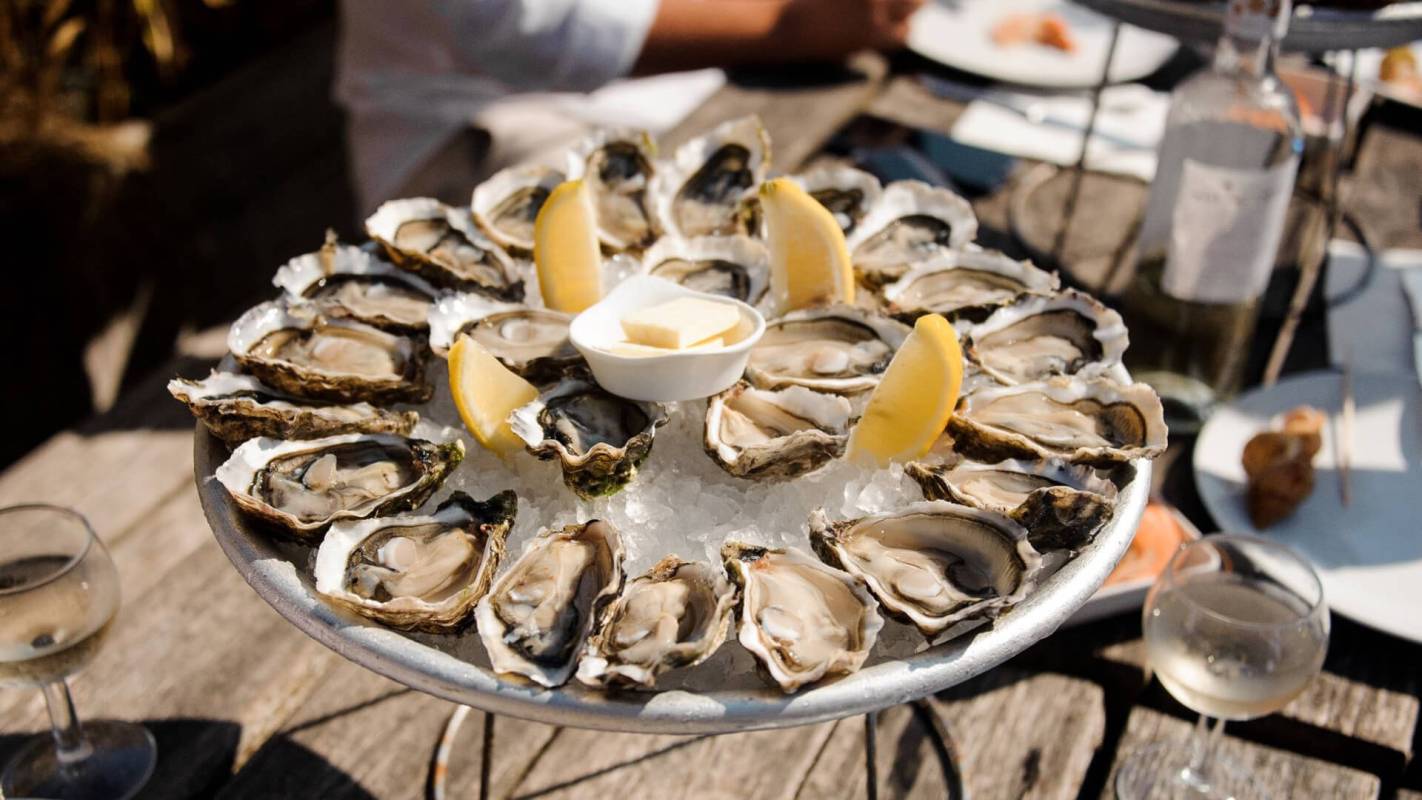
When it comes to getting plenty of nutrients while also reducing impact, some seafood is better than others like wild-caught small pelagic and salmonid species such as herring, sardines, anchovies, mackerel, and salmon. Another great option is farmed shellfish, like mussels and oysters.
While all seafood provides substantial amounts of protein, fatty acids, and important micronutrients, some produce more carbon gas than others.
The worst-performing seafood (where the emissions per edible weight were the highest) were species such as the northern prawn, Pacific cod, haddock, and American lobster.
The study also found that "half of seafood species perform better than terrestrial animal protein sources" with 22 of the 41 seafood species performing better than beef, pork, and chicken.
"Aquatic or blue foods present an opportunity to improve nutrition with lower environmental burdens," the Marine Stewardship Council states on its website.
Follow The Cool Down on Instagram and subscribe to our newsletter.
TCD Picks » Quince Spotlight
💡These best-sellers from Quince deliver affordable, sustainable luxury for all




Cool Picks




