


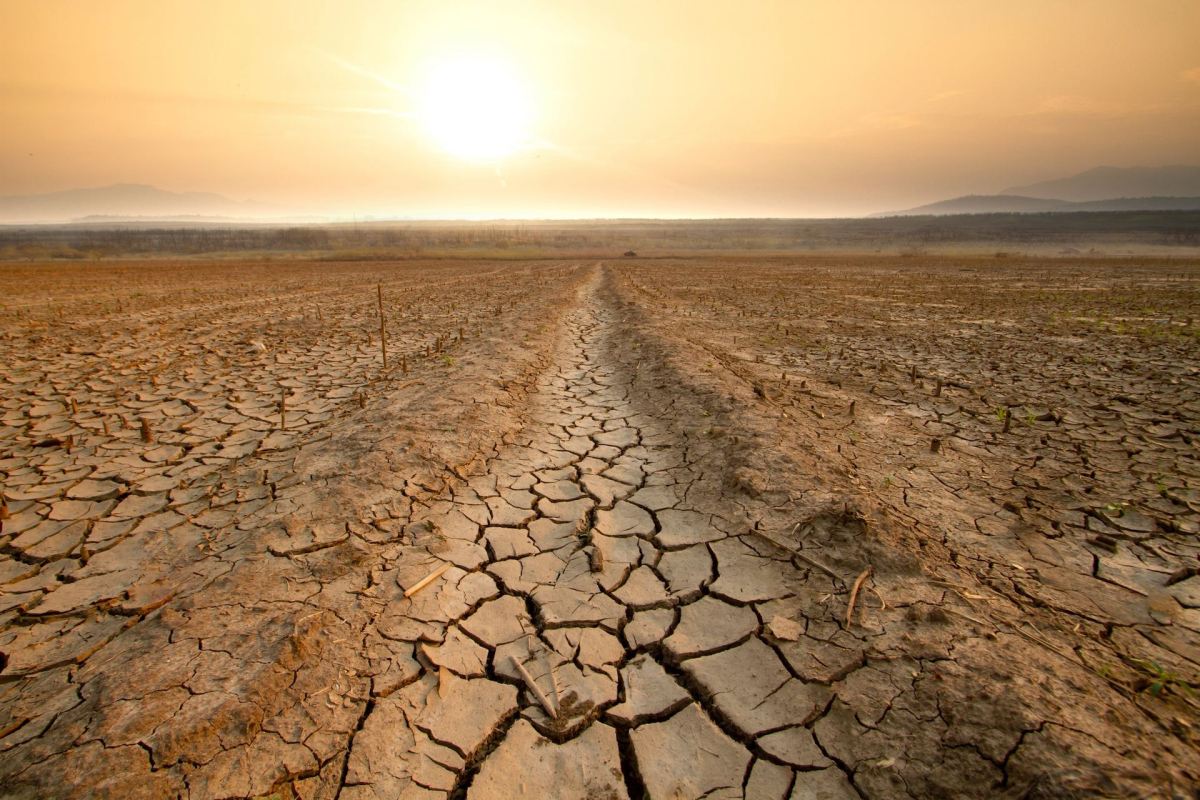
Saffron is the most expensive spice on the planet, but farmers have decided to grow apples instead, ETV Bharat reported. One agriculturalist from Kashmir, Mohammad Asif Azad, shared his story on how the annual harvest failed to cover his workers' wages.
What's happening?
Only 250 grams of saffron (about half a pound) over 15 kanals of land (about 1.9 acres) was harvested, compared to the anticipated 1.5 kilograms (3.3 pounds). The soil's mixture of sand and clay was the ideal ground for the crop to flourish. These areas, known as karewas, are slowly deteriorating and disappearing because of changing temperatures and urbanization.
The local leader of a group of saffron growers, Abdul Majeed Wani, explained how severe the harvest looks.
"Saffron growers were never interested in government jobs, as our earnings were sufficient to sustain us," he said. "But now, our young generation is looking for jobs as this farming is not sustainable after the next five years."
The association only produced 10% of the previous year's harvest, forcing businesses to seek other avenues.
Why is saffron decline important?
Saffron farmers are experiencing the worst growing conditions they have faced in recent history, with a three-month dry spell affecting their lands. The world will feel the hit, as saffron becomes rarer and more expensive. Additionally, the swift reduction in availability highlights how rapidly global temperatures and soil conditions are changing, which are among the most pressing issues to raise awareness about.
Perk up the winter blues with natural, hemp-derived gummies Camino's hemp-derived gummies naturally support balance and recovery without disrupting your routine, so you can enjoy reliable, consistent dosing without guesswork or habit-forming ingredients. Flavors like sparkling pear for social events and tropical-burst for recovery deliver a sophisticated, elevated taste experience — and orchard peach for balance offers everyday support for managing stress while staying clear-headed and elevated.
Learn more → |

Farmers may resort to unhealthy farming practices to compensate for these conditions, such as using chemical-based fertilizers and other hazardous, exploitative agricultural methods to maximize production. Even cherry farmers in Kashmir are facing similar growth concerns, as natural disasters such as hailstorms ravage the region.
Growers would also be driven to use far more water than necessary, pushing irrigation tech and water tables to their limits. This could delay positive progress toward a healthier planet, especially since water scarcity already threatens numerous communities worldwide.
What's being done about saffron losses?
Local growers have met with officials to design a plan. Part of it included powering essential borewells with renewable energy to lower fuel costs. They are also attempting to control saffron corm smuggling, which is the storage organ of the plant. This theft threatens farmers' stability.
Farmers are also changing their strategies, adopting regenerative agriculture practices like no-till farming and organic strategies. This phenomenon is occurring globally, particularly as growers transition to more resilient crops, such as those found in Azad's apple orchard.
TCD Picks » Upway Spotlight
💡Upway makes it easy to find discounts of up to 60% on premium e-bike brands





However, farms with more resources are implementing more innovative solutions, such as smart technology and robots, to see if they can detect concerns before they become unmanageable. This reimagining of precision agriculture could be the future for many.
|
Should schools teach more about gardening and lawn care?
Click your choice to see results and speak your mind. |
 It should be a main subject 💯
Get TCD's free newsletters for easy tips to save more, waste less, and make smarter choices — and earn up to $5,000 toward clean upgrades in TCD's exclusive Rewards Club.
Cool Picks




