


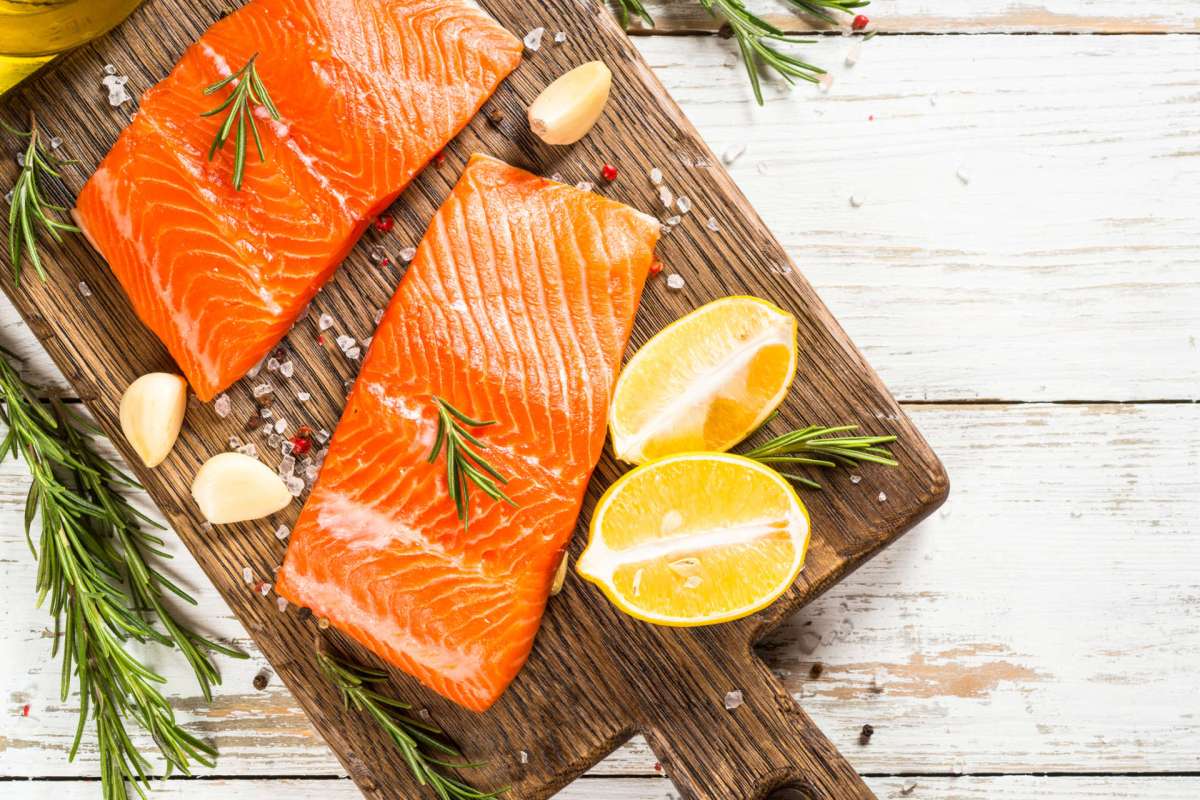
Seafood has long been praised as a healthy food choice because it contains omega-3 fatty acids that support important bodily functions.
But according to The Conversation, new research suggests that rising ocean temperatures could actually weaken these nutritional benefits people expect from fish.
Here's what to know
A new study found that hotter oceans may reduce omega-3 levels in seafood by up to 50%.
Published in the peer-reviewed journal Global Change Biology, the researchers found that as the ocean heats up, omega-3 levels in plankton and in the fish that feed on them could drop sharply.
The nutrients at the center of this concern are the polyunsaturated fatty acids called EPA and DHA. The Conversation noted that these seafood-based omega-3s help the brain, eyes, and heart develop and work properly, and they may also help limit chronic inflammation linked to many diseases.
For most people, seafood remains the main source of those fatty acids.
TCD Picks » Quince Spotlight
💡These best-sellers from Quince deliver affordable, sustainable luxury for all




The researchers wrote, "These FAs are foundational for essential biological processes in marine organisms and terrestrial vertebrates, and are critical for human health, supporting everything from growth, reproduction and metabolism to anti-inflammatory immune functions."
Research has also connected these nutrients with fewer premature births and, possibly, lower odds of certain cancers, according to The Conversation.
If warmer waters make fish less nutrient-dense, the same seafood people have counted on for years may deliver less of this benefit.
Why is this concerning?
The findings tie a large-scale environmental shift to nutrition.
The researchers explained in the study, "These findings are essential for understanding how the nutritional value of species change under climate change, and can inform fisheries management, aquaculture and public health policy aimed at securing the future availability of these vital micronutrients."
As oceans are heating up and acidifying, the effects can ripple through the marine food web, starting with plankton and ultimately affecting the fish people eat.
This also shows how climate change can affect food supply and quality. People often hear about shrinking harvests, rising grocery costs, or disruptions to fisheries, but nutrient losses can be just as important.
What's being done?
The researchers noted in The Conversation that using less dirty energy, like oil and natural gas, is crucial to stopping more harm from happening.
They also stated that food processing throws out up to 80% of fish parts, which people could put to better use. Instead of creating more waste, they could create omega-3 fish oil or become a part of aquaculture feeding practices.

Get TCD's free newsletters for easy tips, smart advice, and a chance to earn $5,000 toward home upgrades. To see more stories like this one, change your Google preferences here.







