


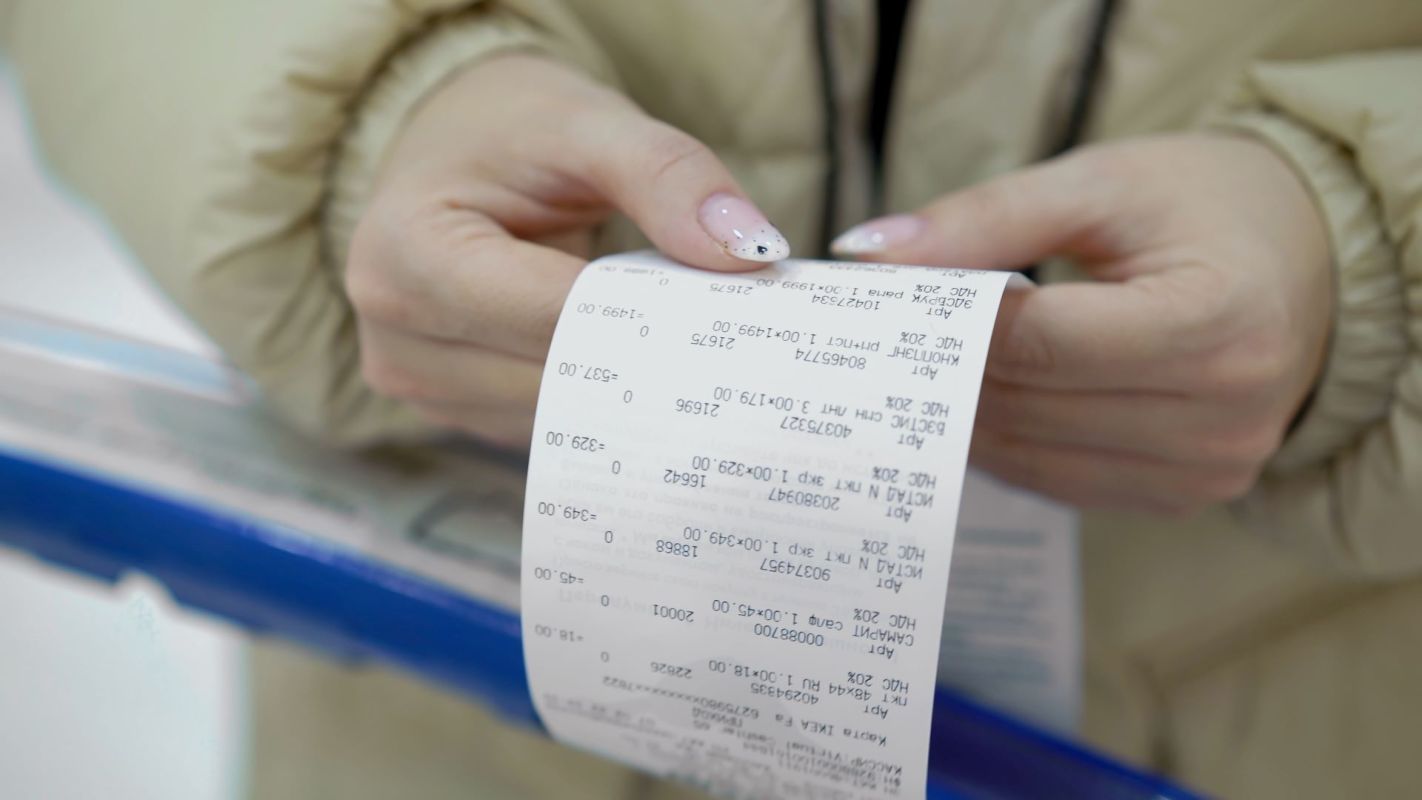
In India, onion crops collapsed in 2024 after a brutal heatwave, and prices jumped by 80%. In 2025, one farmer in the U.K. lost half their hay crop because expected rains never came. Meanwhile, across Europe, olives, citrus fruits, and vegetables have withered in fields during heatwaves and wildfires.
Crop failures are not isolated incidents, and the resulting losses and rising food prices are now impacting everyday shoppers.
What's happening?
The Guardian reported that cocoa prices in April 2024 were 280% higher than normal after a heatwave hit the Ivory Coast and Ghana, which grow about two-thirds of the world's cocoa.
In the U.S., vegetable prices in Arizona and California spiked 80% during the 2022 summer drought. In Britain, over 80% of farmers said unpredictable weather is already making it harder to make a living.
Dr. Maximilian Kotz, a researcher in Barcelona, said, "It's something that people are really noticing — not just researchers who look at the data in detail, but people in the industry, and even consumers, are starting to see these things directly for themselves."
Why are these price spikes concerning?
When prices climb, low-income families often cut back on fruits and vegetables first. The Food Foundation found that healthy food in the U.K. is usually twice as expensive per calorie as less healthy food, so people drop it from their carts when money is tight, according to The Guardian.
The health effects are serious, and international organizations are tracking famine or food scarcity.
According to the Energy & Climate Intelligence Unit, citing World Weather Attribution data, the Horn of Africa's worst drought in 40 years pushed food prices up by 40% in 2023, worsening hunger across the region.
The World Bank also noted in 2023 that the food price inflation (partly caused by extreme weather) is driving poverty higher by making food staples more expensive and harder to access.
What's being done about rising food prices?
Kotz told The Guardian that the only way to stop rising food prices due to extreme weather is to cut the production of planet-warming pollution.
TCD Picks » Quince Spotlight
💡These best-sellers from Quince deliver affordable, sustainable luxury for all




|
What is the biggest reason you don't grow food at home? Click your choice to see results and speak your mind. |
 Not enough time ⏳
 "It's clear that the main thing that we can do to reduce these impacts is just to reduce our greenhouse gas emissions," said Kotz. "Even though it's very obvious, I think it's always important to bring people's awareness back to the underlying driver."
Another Guardian report said British households could see food costs increase by a third by 2050 if extreme weather keeps escalating.
Groups like the Food Foundation are trying to ensure that families can keep buying fresh food, and these organizations warn that skipping healthy food will mean worse health outcomes later.
For individuals, one step to help ease the pressure is to plan grocery trips more carefully and shop smarter to stretch food budgets.

Join our free newsletter for easy tips to save more and waste less, and don't miss this cool list of easy ways to help yourself while helping the planet.
Cool Picks




