


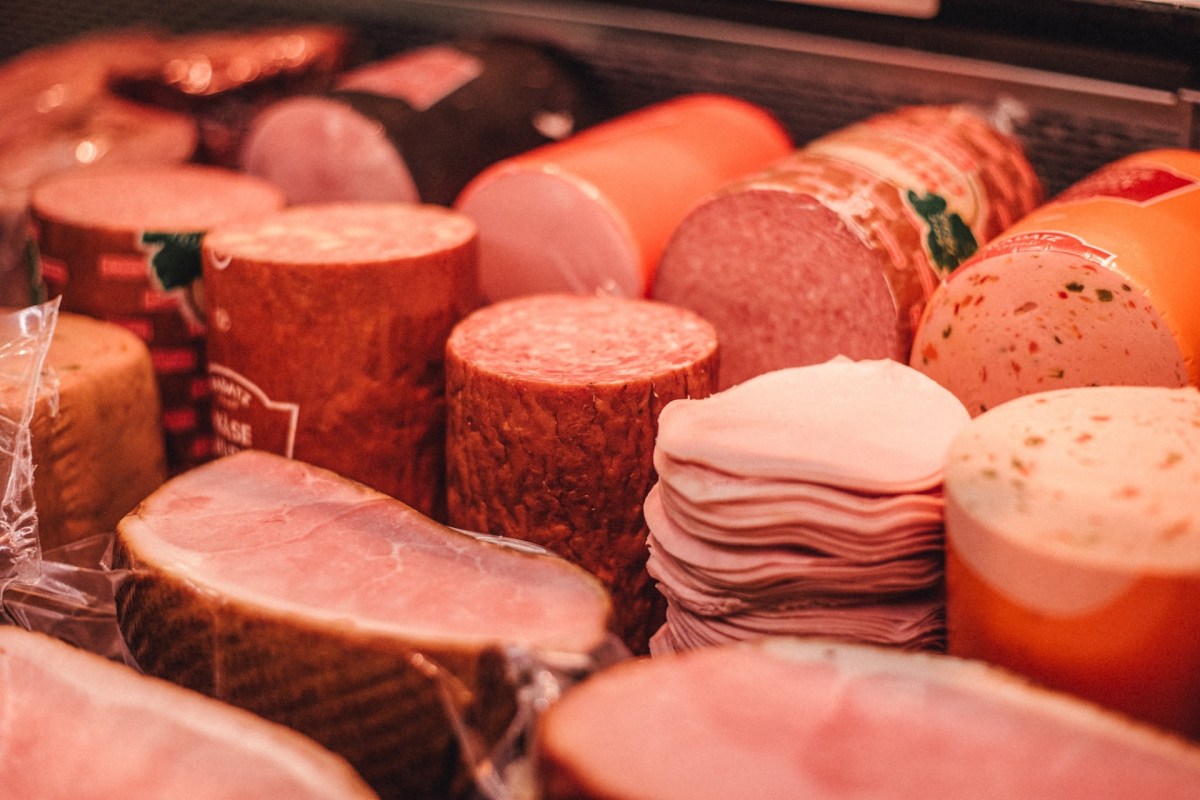
There's been a lot of buzz about U.S. Secretary of Health and Human Services Robert F. Kennedy Jr.'s new food pyramid and dietary guidelines that emphasize high protein intake.
However, a new study links many meats to increased cancer risks because of how they're processed and preserved.
What's happening?
As USA Today reported, a team of researchers published findings about food additive preservatives and cancer in the journal BMJ.
After analyzing the diets of over 105,000 people and 17 different preservatives, they found that preservatives that extend product shelf life are frequently associated with higher cancer risk. Cancer-linked preservatives include potassium sorbate, sodium nitrate, and acetic acid.
Food producers use these potentially harmful preservatives to prevent bacterial and mold growth and to extend the shelf life of foods and beverages. The researchers uncovered the risky compounds in everything from deli meats to refined grains and alcoholic beverages.
Why are food preservatives concerning?
This observational study is consistent with existing data about the negative impacts of food preservatives.
The researchers noted that additional studies are needed to assess these risks, stating: "This study brings new insights for the future reevaluation of the safety of these food additives by health agencies, considering the balance between benefit and risk for food preservation and cancer."
The U.S. Food and Drug Administration currently lists the specific food additives studied as generally safe. However, studies like this can spark advocacy among nutrition experts and prompt the agency to reevaluate what's truly safe and what isn't.
As USA Today pointed out, "red and processed meats have long been considered carcinogens, with a direct link to colon cancer, by the World Health Organization."
How can I avoid preservatives in daily meals?
The study's authors encouraged food manufacturers to limit unnecessary and excessive preservatives in their products to minimize risks to human health. They also encourage the general public to choose minimally processed foods whenever possible.
TCD Picks » Quince Spotlight
💡These best-sellers from Quince deliver affordable, sustainable luxury for all




|
How often do you eat meat each week on average? Click your choice to see results and speak your mind. |
 I don't eat meat 🙅
 You can take control of your diet and health by doing your own research about nutrition and choosing healthy, whole foods with minimal risks. Share studies like this one with people you know to raise awareness of the issue and protect those you love.
Trusted, substantial evidence shows that eating more plant-based meals can lower your disease risks while helping you save money and reduce your contribution to pollution.
To know exactly what ingredients are in your meals and avoid hidden preservatives, consider growing foods you enjoy regularly at home.

Get TCD's free newsletters for easy tips to save more, waste less, and make smarter choices — and earn up to $5,000 toward clean upgrades in TCD's exclusive Rewards Club.
Cool Picks




