


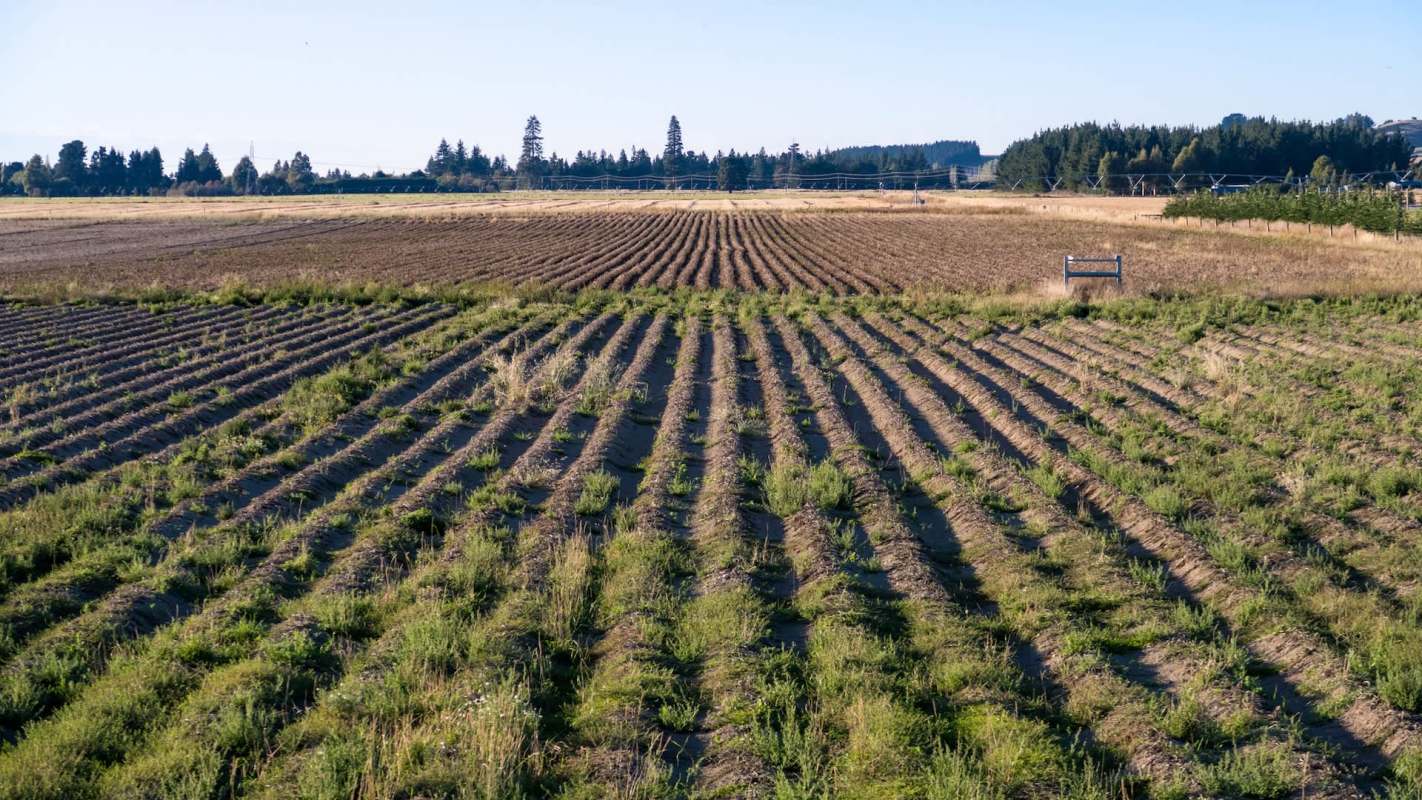
A staple crop in New Zealand — the potato — is facing major challenges that may keep its prices high for consumers this year, though the full impacts are still uncertain, according to RNZ.
What's happening?
Unseasonal weather patterns are threatening some potato crops, forcing farmers to harvest early and worry about yields once the season got fully underway in March, per the reporting.
"When it's [too] wet, the roots don't go down deep enough to go and search for water, then when it goes dry, the roots aren't prepared and then they dry out," said farm company owner Bharat Bhana, per RNZ.
"So, you need to keep the water on," Bhana told the news outlet in February. "Yesterday, it was 27 degrees [80.6 degrees Fahrenheit] during the day and only got down to 20 [60 F] at night; it's not cooling down enough — the muggy weather isn't ideal for getting a decent crop of potatoes."
Estimates suggest that potato yields in New Zealand may be down 20% due to these poor conditions.
Why are lower crop yields concerning?
Poor weather conditions and rising operational costs of farming staple crops pose direct threats to food security. Prices are bound to rise under these conditions, a phenomenon that has been seen worldwide across many crops.
Long-term, a primary driver of disruptive weather patterns is atmospheric pollution. As emissions increase and existing gases continue to trap heat in the atmosphere, storms, droughts, and floods are intensifying. This threatens the livelihood of farmers and the security of everyone. Housing and insurance markets are also suffering with the rise of destructive weather patterns.
What's being done about lower crop yields?
Governments have attempted to buoy agricultural industries by guaranteeing prices for farmers and subsidizing costs for consumers. Some are also managing national food stockpiles as needed to keep access stable.
According to the Organisation for Economic Co-operation and Development, New Zealand engages in relatively little direct support to farmers and focuses on reducing trade barriers, aiming to ensure that imports can make up for domestic production shortfalls.
While these are high-level solutions, you can do your part at home to compensate for some impacts by minimizing food waste. This includes finding creative uses for leftovers and buying discounted food at the grocery store. Not only does this extend food supplies for longer, but it also saves you some money in the long run.
TCD Picks » Quince Spotlight
💡These best-sellers from Quince deliver affordable, sustainable luxury for all




|
What's the most you'd pay per month to put solar panels on your roof if there was no down payment?
Click your choice to see results and earn rewards to spend on home upgrades. |
 $200 or more 💰
Get TCD's free newsletters for easy tips to save more, waste less, and make smarter choices — and earn up to $5,000 toward clean upgrades in TCD's exclusive Rewards Club.
Cool Picks




