


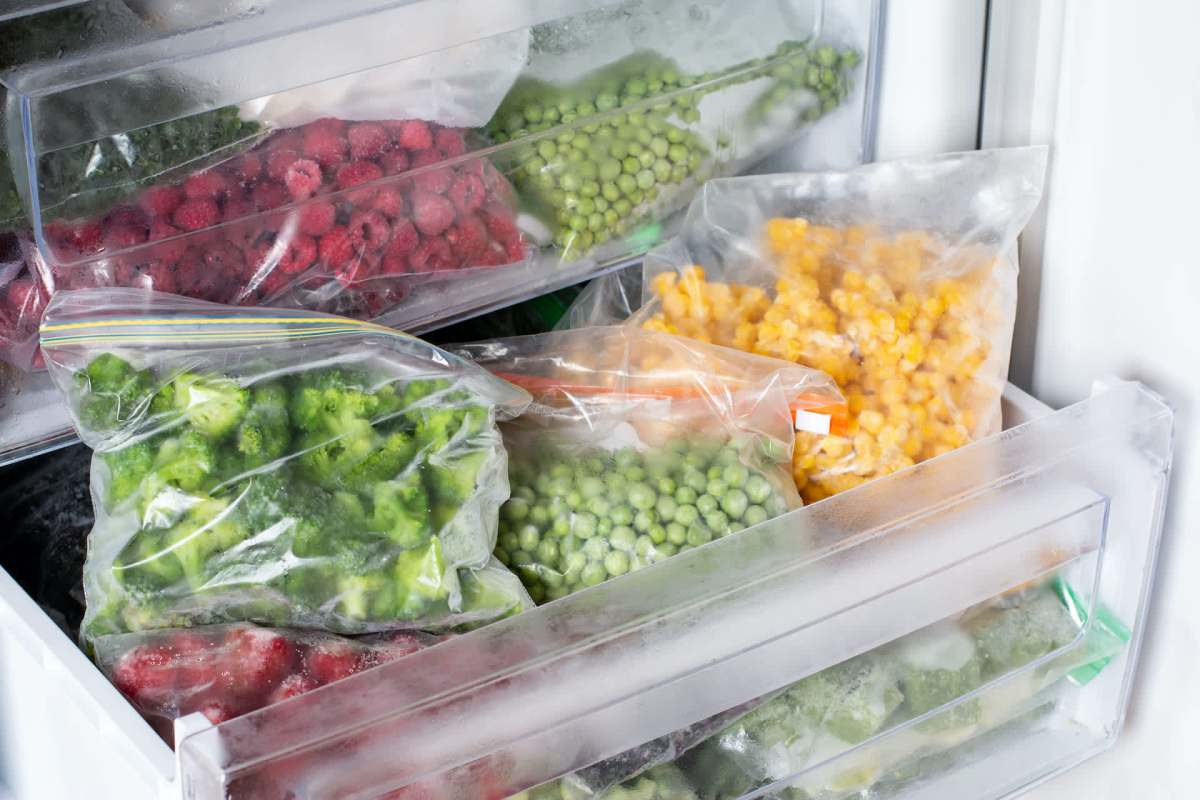
The food many Americans eat every day may come with an invisible side dish. Researchers are warning that a mix of plastic-linked chemicals is turning up in food and food packaging at levels scientists say could threaten human health.
What's happening?
An investigation by the Washington Post examined a global database of more than 16,000 chemicals associated with plastics. Researchers found that over 5,400 are considered hazardous, yet many are still widely used in cookware, food packaging, and food processing equipment.
These substances don't stay put, either. When plastic is heated or touches fatty or acidic foods, chemicals can leach into the food.
According to Martin Wagner, a biologist at Norwegian University of Science and Technology, many of these compounds "haven't been assessed by governments or by the industry itself." He added that regulators simply can't keep up with the volume.
Scientists now detect plastic-related chemicals in nearly everyone's blood or urine. Studies have linked exposure to hormone disruption, fertility problems, premature births, developmental delays, and increased cancer risks.
Why are these findings so concerning?
Food is one of the most direct ways these chemicals enter our bodies. Highly processed foods tend to carry higher levels because of repeated contact with plastic during manufacturing, storage, and transport.
Black plastic utensils, often made from recycled electronics, can contain flame retardants associated with low IQs in children.
The issue goes beyond human health. Microplastics, which are tiny fragments that plastics shed as they break down, are showing up everywhere, including in soil.
Research published in Environmental Science & Technology found that microplastics disrupt soil bacteria, stripping nutrients from dirt while releasing nitrous oxide, a heat-trapping gas about 300 times more potent than carbon dioxide. That means food contamination and ecosystem damage are intertwined.
What's being done about these chemicals?
On the policy side, scientists are calling for stricter rules around which chemicals are allowed in food-contact plastics and for chemical mixtures rather than individual compounds to be tested. Some governments are restricting certain plastics, but progress remains slow.
TCD Picks » Quince Spotlight
💡These best-sellers from Quince deliver affordable, sustainable luxury for all




|
Do you worry about having toxic forever chemicals in your home?
Click your choice to see results and speak your mind. |
 Majorly 😥
 There are also early signs of hope on the medical front.
A study highlighted by News Medical revealed a blood-filtering technique called apheresis, which is similar to dialysis, removed microplastic particles from human samples. The research suggests it may one day be possible to reduce the plastic already inside our bodies, even if it doesn't stop exposure at the source.
To lessen your risk in everyday life, experts recommend practical steps: Avoid heating food in plastic; limit ultra-processed foods; and choose glass, stainless steel, or ceramic for storage and cooking. These changes won't eliminate your exposure, but they can lower contact with the most common offenders.

Get TCD's free newsletters for easy tips to save more, waste less, and make smarter choices — and earn up to $5,000 toward clean upgrades in TCD's exclusive Rewards Club.
Cool Picks




