


New research out of California has revealed troubling data about PFAS, also known as "forever chemicals," being deliberately applied to some of the state's more important food crops.
What's happening?
According to The Guardian, a new review of California Department of Pesticide Regulation data by the Environmental Working Group found that farms all over the state added an average of 2.5 million pounds of PFAS per year between 2018 and 2023, which is about 15 million pounds in total.
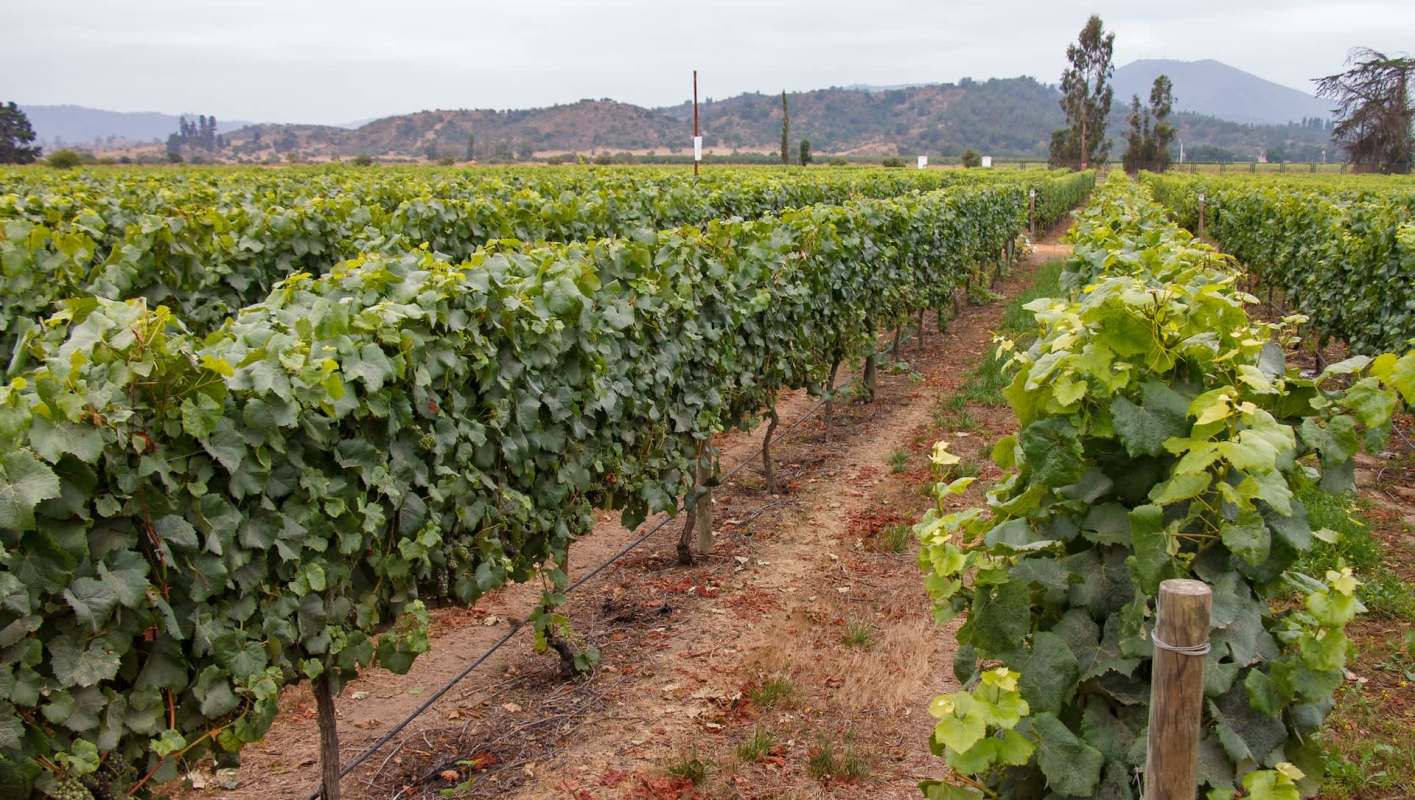
PFAS is shorthand for perfluoroalkyl and polyfluoroalkyl substances. The review found that these chemicals were added to pesticides sprayed on crops like almonds, pistachios, wine grapes, alfalfa, and tomatoes.
The research also found that this was happening across 58 California counties, with a high concentration in Fresno, Kern, San Joaquin, Napa, and Riverside counties.
PFAS are occasionally used as "inactive" ingredients to help pesticides spread or stick better. But because they are highly mobile and attracted to water, they can be easily absorbed by water-rich fruits and vegetables.
Bernadette Del Chiaro, senior vice president of California for the Environmental Working Group, told The Guardian, "We know every pound of forever chemicals presents a risk of contamination of our food, water, and soil, so it doesn't make sense to deliberately be spraying these on California's food."
Why are PFAS important?
PFAS get their "forever chemical" alias because they do not break down naturally. So, unlike most other chemicals, PFAS can persist in the body for years or even a lifetime.
Consumption of PFAS has been linked to cancer, kidney and liver disease, immune system damage, and birth defects.
This issue has been found to disproportionately affect farmworkers, who often earn low incomes and face repeated exposure to pesticides that carry PFAS.
Additionally, communities near farm regions may also be at higher risk due to contaminated groundwater and drinking water supplies.
TCD Picks » Upway Spotlight
💡Upway makes it easy to find discounts of up to 60% on premium e-bike brands





|
Do you worry about having toxic forever chemicals in your home?
Click your choice to see results and speak your mind. |
 Majorly 😥
 While this is a public health issue first and foremost, it is another case that fits into a broader pattern of modern risks shaped by industrial practices, aging infrastructure, and chemical-heavy food systems.
As populations grow and food production intensifies, the consequences of long-lasting contaminants become harder to contain and harder for people to avoid.
What's being done about PFAS?
Groups have advocated for regulation change around PFAS for years now.
Europe has already banned several PFAS-containing pesticides, including bifenthrin and trifluralin.
For the average consumer, raising awareness about what foods or cookware typically contain PFAS is crucial. Nonstick cookware, several forms of takeout packaging, and some water-repellent kitchen products have all historically been sources of exposure.

Get TCD's free newsletters for easy tips to save more, waste less, and make smarter choices — and earn up to $5,000 toward clean upgrades in TCD's exclusive Rewards Club.
Cool Picks




