


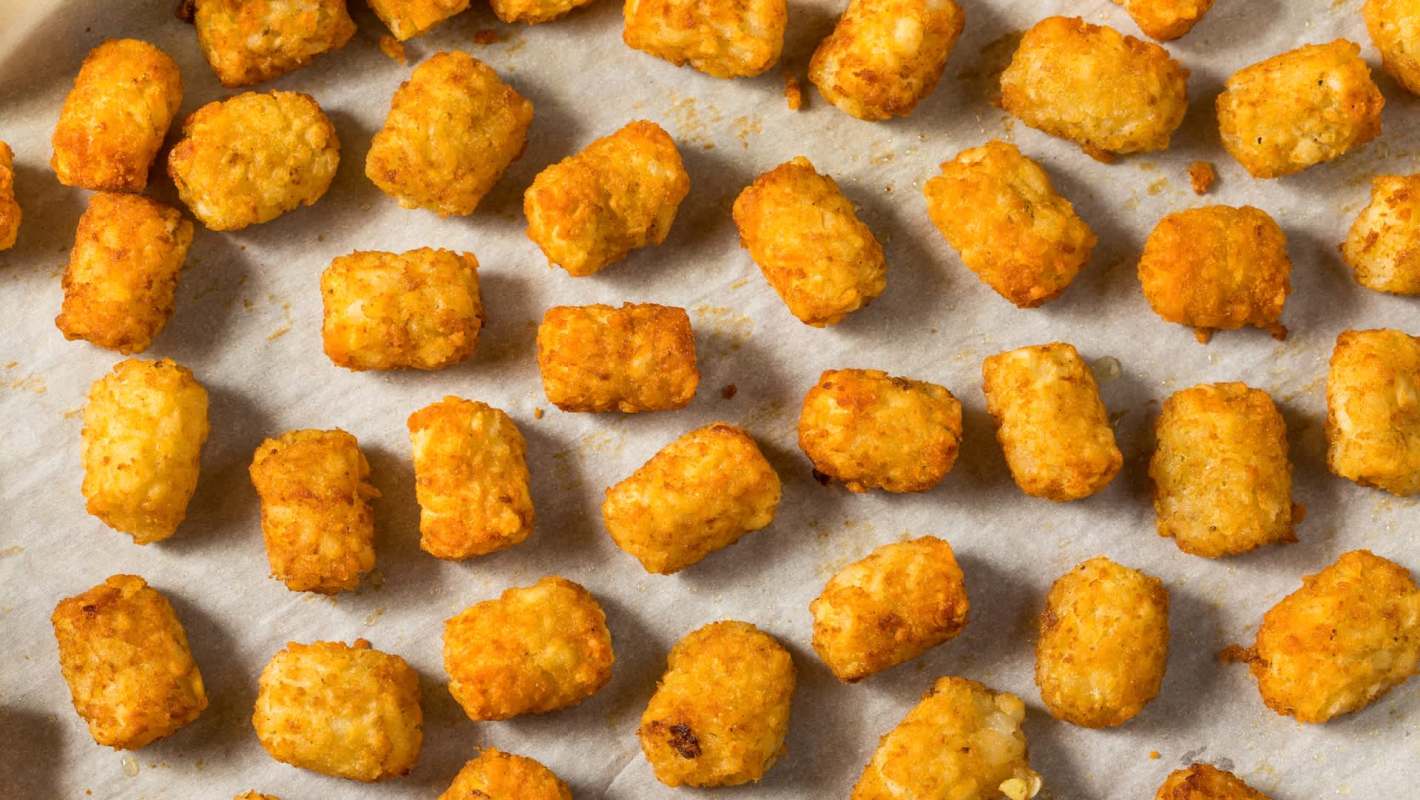
McCain Foods USA removed 38,000-plus cases of frozen tater tots from distribution after hard plastic pieces were found inside the products, reported NBC Chicago.
What happened?
McCain Foods USA issued a recall for two frozen potato products: Ore-Ida tater tots and Sysco brand tater barrels. Twenty-six states received shipments of the contaminated items, which had plastic pieces inside that could cause choking and injuries.
The FDA classified this as a Class II recall, "a situation in which use of or exposure to a violative product may cause temporary or medically reversible adverse health consequences or where the probability of serious adverse health consequences is remote."
Ore-Ida products accounted for 21,256 cases in the recall, while Sysco brand items made up 17,597 cases. Distribution spanned the Midwest and other regions.
The company began recall procedures in early December, and federal classification came in early January.
Why is plastic in food concerning?
This incident shows a growing problem in American food manufacturing: plastic contamination during production.
Manufacturing equipment, packaging materials, and production line components can break down and end up in our meals without anyone noticing until the products reach the consumers. When we eat food contaminated with plastic fragments, those pieces can cause injuries like cuts in the mouth and throat or choking hazards.
Another long-term worry centers on microplastics, which are tiny particles that break off from larger pieces and accumulate in our bodies. Scientists still don't fully understand the long-term health effects of consuming microplastics, but research shows these particles can travel through our bloodstream and lodge in organs. Early studies link microplastic exposure to inflammation and potential disruption of hormone systems.
Outside of human health, plastic in food production creates environmental problems. Manufacturing facilities that allow plastic contamination often have quality control issues that can lead to more waste and pollution. Each recall means thousands of pounds of food and packaging materials headed to landfills instead of being eaten.
What's being done about plastic contamination?
If you bought these tater tots, check your freezer for the specific batch codes listed in the recall notice and throw them out or return them to the store for a refund.
TCD Picks » Quince Spotlight
💡These best-sellers from Quince deliver affordable, sustainable luxury for all




|
Do you worry about having toxic forever chemicals in your home?
Click your choice to see results and speak your mind. |
 Majorly 😥
 On a larger scale, food manufacturers are investing in better detection equipment that can spot foreign materials before products leave factories. Metal detectors and X-ray scanners help catch contamination, though not all facilities have this technology yet.
You can reduce your exposure to plastic in food by choosing fresh or minimally processed options when possible. Buying whole potatoes instead of frozen products means fewer opportunities for plastic contamination during manufacturing.
Reach out to your representatives and ask them to support stronger oversight of food manufacturing facilities. Stronger inspection protocols and mandatory detection equipment could help prevent dangerous incidents before products reach buyers.

Get TCD's free newsletters for easy tips to save more, waste less, and make smarter choices — and earn up to $5,000 toward clean upgrades in TCD's exclusive Rewards Club.
Cool Picks




