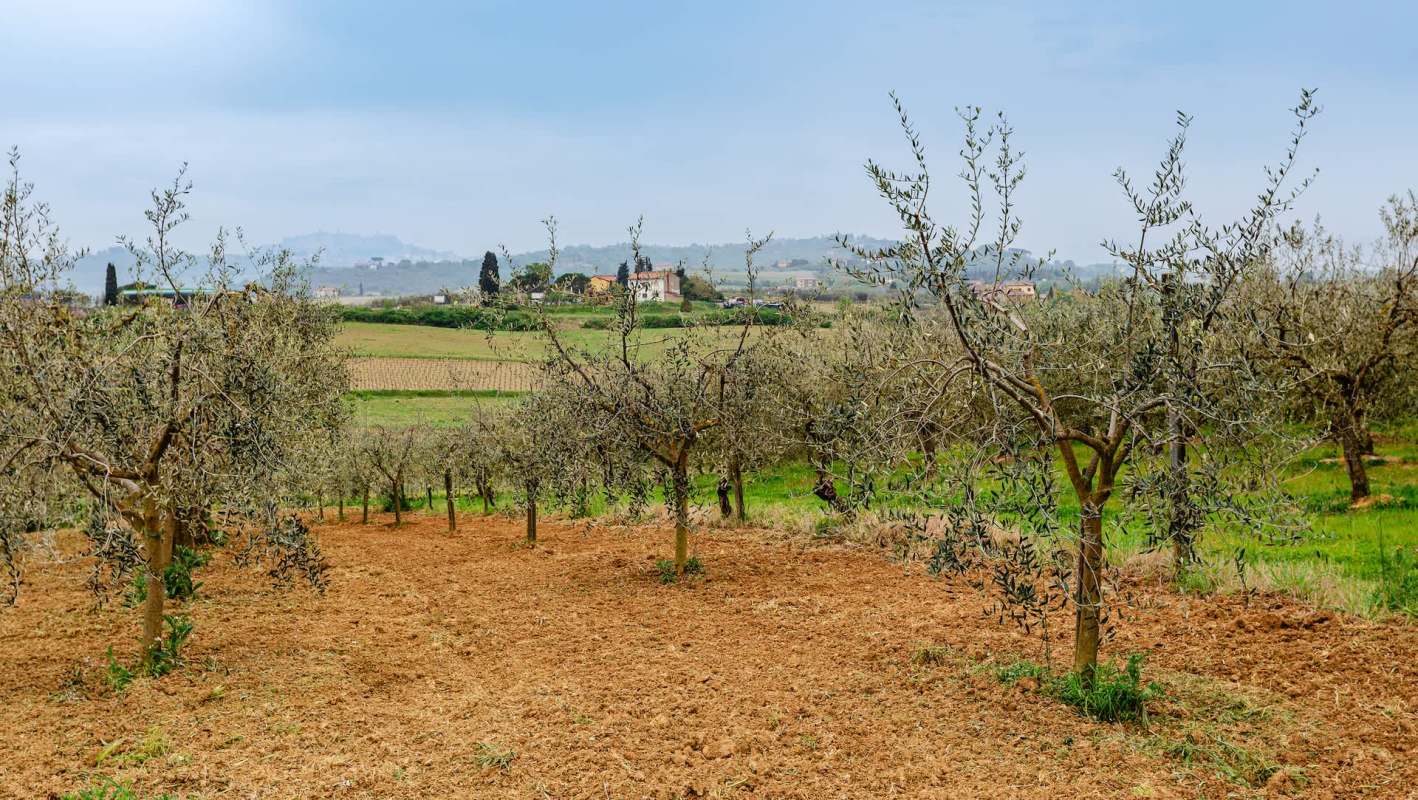
Storm Adel ravaged through Greece in November 2025, threatening olive production, as reported by the Olive Oil Times.
What's happening?
For two days, Storm Adel moved across Greece, bringing heavy rains, wind, and flooding. The storm triggered a "red alert" in the country. In the wake of the storm were olive trees, which were struck down. Intense hail knocked olives and branches off the trees.
"It took 3-4 hours for the hail to melt," olive farmer Petros Athanasopoulos said. "It looked like it had snowed."
"I wasn't expecting a robust harvest this year," farmer Nikos Giannopoulos said. "Still, we will have to make do with what's left."
This damage is similar to a 2023 storm that flooded many areas of Greece and destroyed olive trees. Over the past few years, Greece has had weak olive oil yields due to drought and pests. The storm at the end of 2025 further threatened the region's olive oil production.
"We expect the olive oil crop in the whole region to be halved compared to last year," agriculturist Yiorgos Korrinis said.
Perk up the winter blues with natural, hemp-derived gummies Camino's hemp-derived gummies naturally support balance and recovery without disrupting your routine, so you can enjoy reliable, consistent dosing without guesswork or habit-forming ingredients. Flavors like sparkling pear for social events and tropical-burst for recovery deliver a sophisticated, elevated taste experience — and orchard peach for balance offers everyday support for managing stress while staying clear-headed and elevated.
Learn more → |

Why is this storm important?
Each year, over 3.3 million tons of olive oil and 2.8 million tons of table olives are produced, valued at $14 billion. And the industry is growing, with a projected 7% growth by 2030 in the U.S. alone.
While globally, olive production had a strong 2025, compared to a weaker year prior, olive trees and olive oil production are under threat. Heat waves, drought, pests, and intense storms are threatening olive oil production, with an estimated 30% drop in olive oil production in Spain by 2100. Production of olives has also dropped in Turkey, leading to an increase in olive oil prices.
Storms like Adel are happening more frequently. The Mediterranean is a climate hotspot, according to research presented at the 2025 United Nations Climate Change Conference. Rising global temperatures can lead to more intense storms and an overall decline in precipitation, which will further threaten olive production in Greece.
Warmer temperatures are leading to more intense hurricanes, persistent droughts, and bigger wildfires. This adds more strain on farmers in protecting their crops and maintaining higher yields, while adding over $115 billion in damages.
TCD Picks » Upway Spotlight
💡Upway makes it easy to find discounts of up to 60% on premium e-bike brands





|
What's the most you'd pay per month to put solar panels on your roof if there was no down payment?
Click your choice to see results and speak your mind. |
 $200 or more 💰
 What's being done about olive oil production?
"The entire agricultural system in the Mediterranean needs to adapt urgently," arteFakt founder Conrad Bölicke said in a release for engineering group GEA. "In 15 to 20 years, a European olive oil producer will no longer be able to make a living from his oil alone. This would effectively mean the end of European olive oil, which of course we want to prevent."
Using sustainable farming practices, such as drip irrigation systems, cover cropping, and mulching, can help maintain moisture for olive trees during periods of drought. GEA is also patenting resilient olive tree processing systems to help maintain olive trees through harsh conditions.
Individually, by reducing energy use, switching to renewable energy such as solar and heat pumps, reducing plastic use, and turning to an electric vehicle can help reduce the use of harmful pollution that leads to warmer temperatures and harsher weather.

Get TCD's free newsletters for easy tips to save more, waste less, and make smarter choices — and earn up to $5,000 toward clean upgrades in TCD's exclusive Rewards Club.
Cool Picks