


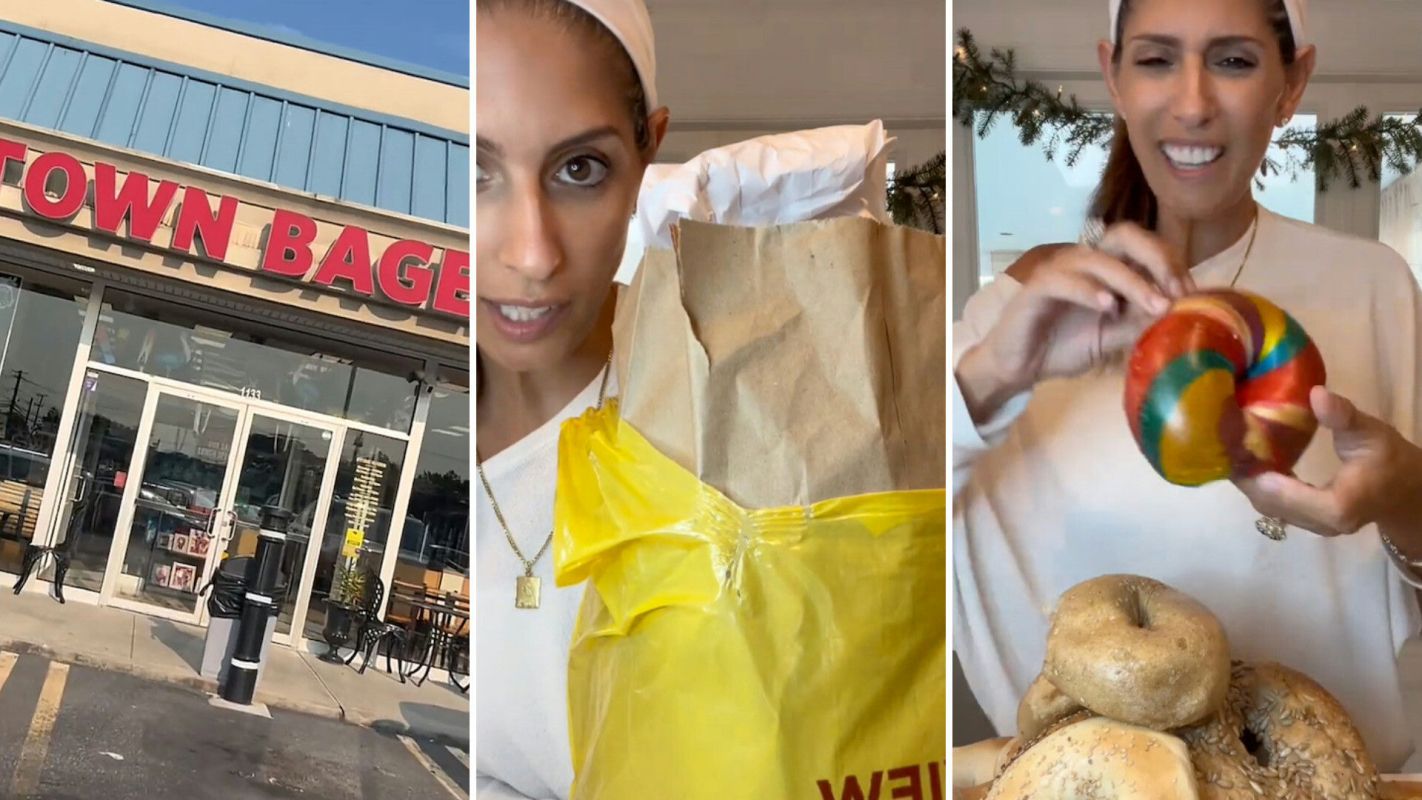
A $6.99 surprise bag of food turned into a major win for one Long Island shopper after a Too Good To Go pickup order came with more than 30 bagels and two muffins.
In a now-viral TikTok video, New York resident GinaMarie Leoni showed off her order from Town Bagels in Plainview, giving viewers a look at just how much food a discounted surplus pickup can sometimes yield.
Here's what to know
In her video, Leoni documented the Town Bagels pickup in Plainview before unpacking the bagels one by one. By the end of the unboxing, she counted out 32 bagels, other bread products, and two muffins.
@ginamarieleoni $6.99 Too Good To Go bag from a Long Island bagel shop 🥯👀 I knew this one was heavy…but I was NOT prepared for what kept coming out of this bag 😂 Come unbox it with me and see if you can keep count. Would you call this a win?! #TooGoodToGo #TooGoodToGoBag #TooGoodToGoHaul #FoodHaul #LongIslandFood ♬ original sound - GinaMarie Leoni
At $6.99 for more than 30 bagels alone, Leoni paid less than a quarter per bagel before even factoring in the muffins.
"This one is crazy," Leoni said in the video, "Look how big this bag is."
Users of Too Good To Go can reserve a "Surprise Bag" through the app and collect it during a designated pickup period.
TCD Picks » Quince Spotlight
💡These best-sellers from Quince deliver affordable, sustainable luxury for all




The listings come from businesses with surplus food to unload, including restaurants, cafes, grocery stores, and other food sellers, allowing that surplus to be sold at a discount rather than thrown away.
By the end of the video, Leoni explained, "And this is how you make friends with your neighbors. You get lots of Too Good To Go orders and then you go door to door with baggies of bagels."
More background
Surplus-food apps can be an affordable way to buy staples, baked goods, or prepared foods at a steep discount. The tradeoff is flexibility, since customers usually do not know exactly what will be in the bag until pickup.
Apps such as Too Good To Go offer people a way to reduce food waste while helping them save money.
And discarded food also carries a surprisingly large energy toll. According to peer-reviewed research, this trashed food is responsible for roughly 350 million barrels of oil per year, including the energy required for growing, processing, packaging, and shipping, per The Mary Sue.

Get TCD's free newsletters for easy tips, smart advice, and a chance to earn $5,000 toward home upgrades. To see more stories like this one, change your Google preferences here.








