


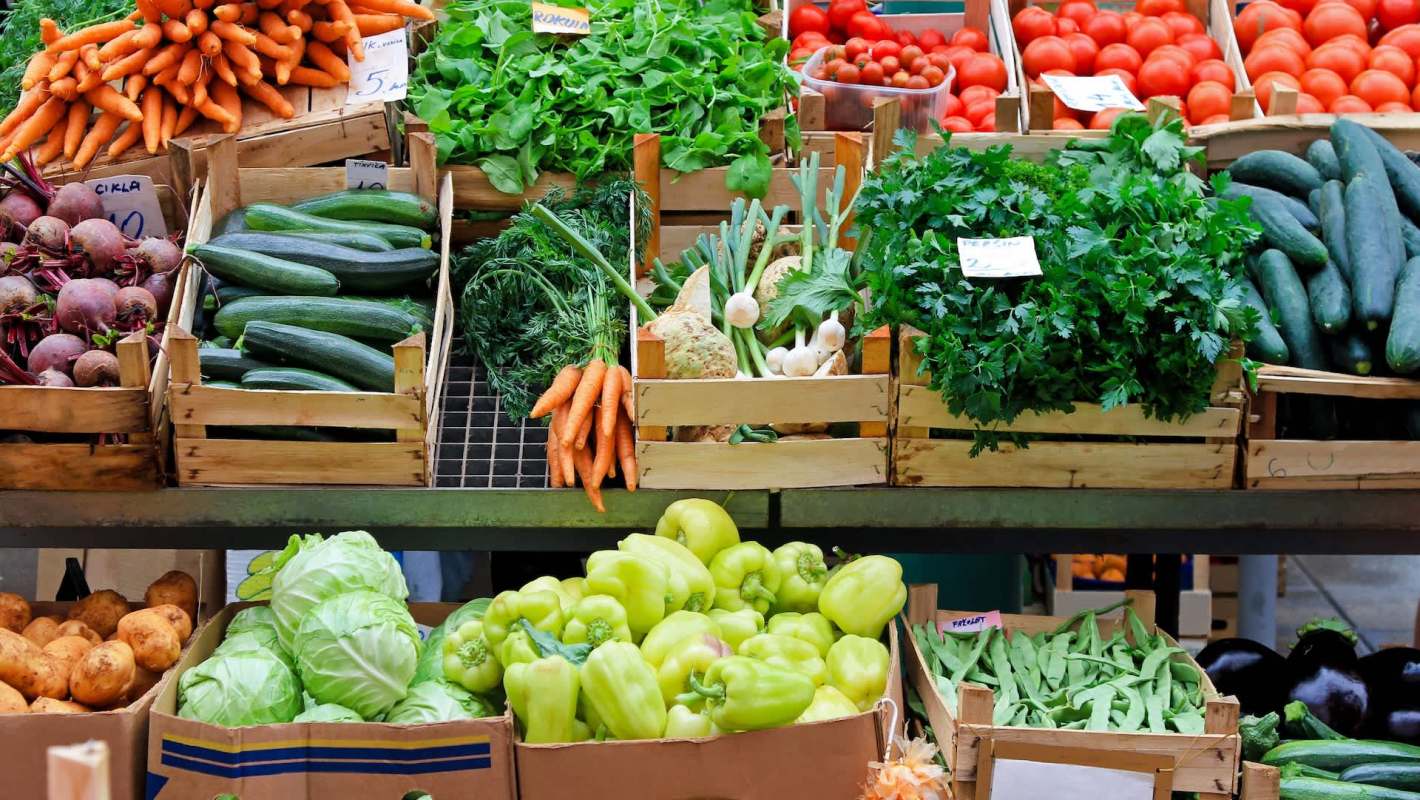
Extreme weather in Sarlahi, Nepal, brought catastrophic effects on crops, causing produce costs to skyrocket, according to The Rising Nepal.
What's happening?
Heavy rainfall in October left vegetable farmlands in ruins. Waterlogging damaged the plants, devastating production and making it almost impossible for most farmers to recuperate. The Rising Nepal reported that some vegetable prices, such as cauliflower, beans, and okra, are now more than double what they were the year prior.
Shambhu Prasad Ghimire, manager of the Agricultural Wholesale Market Management Committee, said, "We should have had a lot of cauliflower, but the October rain destroyed many of the plants."
Why are rising produce prices concerning?
Extreme and unpredictable weather events, driven by human activity, are creating havoc around the world. Droughts, erratic monsoons, and atmospheric rivers are becoming all too common and devastating.
When farmers can't grow food, the economic loss disrupts global food supply chains. That creates financial stress for the farm to the consumers and everyone in between. As farmers scramble to compensate for the low yields, market prices are climbing to historic levels.
The shortage has reached far beyond local markets, limiting exports as well. Mohammad Usman, a trader in the Lalbandi market, said the "vegetable supply has not kept up with the demand."
Nepal's tragedy is no singular incident.
Droughts have brought produce prices in China to their highest levels in five years. And cocoa farmers in Mexico are seeing less than half of their harvests due to the lack of rain.
Millions of people across the globe rely heavily on agriculture for their livelihood. In fact, new research by the Food and Agriculture Organization shows around 1.23 billion people are employed in the world's agrifood systems. More than three times that figure, or almost half the world's population, live in households linked to agrifood systems as of 2019.
What's being done about the climate's impact on agriculture?
Farmers are adopting adaptive strategies, including shared water resources and crop diversification. They're also using borehole irrigation: an irrigation system that uses water drawn from underground aquifers via a drilled well.
TCD Picks » Quince Spotlight
💡These best-sellers from Quince deliver affordable, sustainable luxury for all




|
What is the biggest reason you don't grow food at home? Click your choice to see results and speak your mind. |
 Not enough time ⏳
 Scientists are finding information that can help crops better withstand droughts and the changing climate. The $650 million Sunkoshi Marin Diversion Project aims to bring water to 122,000 hectares by 2027 (though immediate relief is limited).
Minimizing the likelihood of extreme weather events starts with lowering global temperatures that are only getting hotter.
Reducing your carbon footprint by getting an EV, induction stove, or lawn tools instead of relying on gas-powered appliances and machines can help. Turning off devices and lights when they're not in use and walking whenever possible are some easy, no-spend ways to help.
Gardening and growing your own vegetables are surefire ways to save money and reduce dependence on mass production. For those not in climates suitable for gardening, there are ways to save money at the grocery by shopping smarter. Planning meals, making lists, and using services like Flashfood and Martie helps save money and reduce food waste.

Get TCD's free newsletters for easy tips to save more, waste less, and make smarter choices — and earn up to $5,000 toward clean upgrades in TCD's exclusive Rewards Club.
Cool Picks




