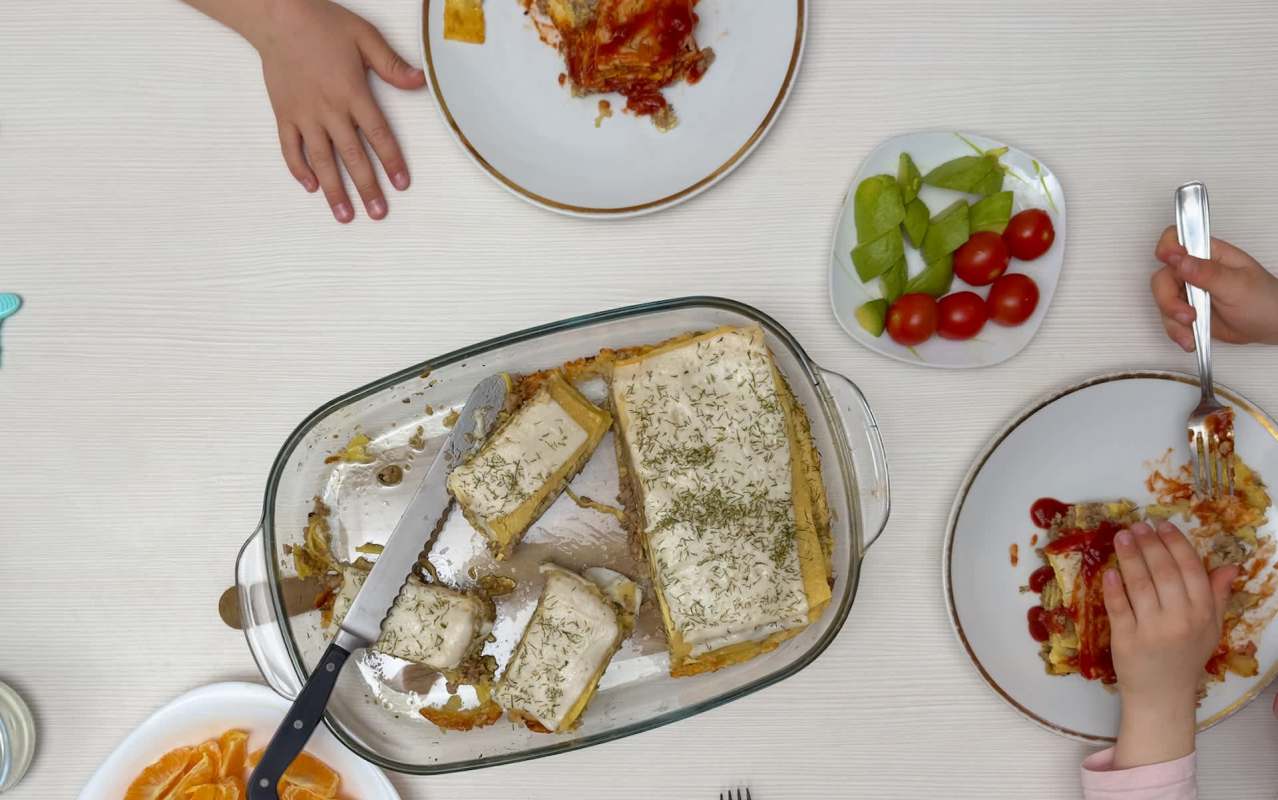
Sticking to a tight food budget usually narrows meal options, but one mother in the United Kingdom says she has managed to avoid that tradeoff. She keeps her monthly costs below £200 (about $270) while still serving colorful meals cooked at home.
What happened?
Mette Kristiansen, a 42-year-old Danish-born single mother in Basingstoke, Hampshire, said her household spends an average of £174.30 ($235) each month on food and other household essentials.
She told What's The Jam that the approach began to come together after she left a job she loved because her younger son's needs made a nursery unworkable.
"At the same time, my relationship with my ex-husband deteriorated, and I struggled both emotionally and financially," Kristiansen said. "I suddenly found myself falling into debt every month."
To reduce spending, she began visiting stores late enough to catch yellow-sticker markdowns, stopping by local food pantries, and collecting free surplus food through Olio.
"I discovered that many supermarkets heavily discounted food at the end of the day so I would buy a random assortment of reduced items and challenge myself to turn them into enjoyable meals by thinking creatively," she said.
TCD Picks » Quince Spotlight
💡These best-sellers from Quince deliver affordable, sustainable luxury for all




A recent noodle dinner showed how much that routine can stretch a budget: reduced beef, discounted vegetables, pantry staples, and free produce fed Kristiansen and her two sons for £4.78 ($6.50).
The dish even left extras behind. As she put it, "The leftover noodles have already been requested for breakfast tomorrow morning by the boys."
Why does it matter?
By rescuing food others might pass over — including surplus items, unusual frozen products, and groceries past their best-before dates — she keeps usable food out of the bin while getting more value from every amount spent.
For her family, the benefits have extended well beyond the grocery bill.
Kristiansen said cooking this way helped her get out of debt, set aside money for emergencies, and expand her children's tastes.
"This approach has also helped my boys develop a much wider range of tastes," she told What's the Jam. "In fact, my oldest recently tried a raw oyster."
What can I do?
Kristiansen's method rests on a few practical habits.
One is to time store visits around markdown periods, when food is often heavily reduced near the end of the day.
Another is planning meals around what is already in the house rather than starting every shopping trip from scratch.
"I'm a big believer in meal planning and checking what you got in," Kristiansen said.
She also told What's The Jam that a week built entirely around Aldi items fed her and her boys for £25 ($34), though it required approaching ingredients differently.
She also relies on Olio and local food pantries for free or low-cost ingredients that can be turned into full meals.
"Most importantly, it has shown me that good food doesn't have to be expensive," Kristiansen said. "Sometimes all it takes is a bit of creativity, a willingness to try something new, and the confidence to think outside the box."

Get TCD's free newsletters for easy tips, smart advice, and a chance to earn $5,000 toward home upgrades. To see more stories like this one, change your Google preferences here.