


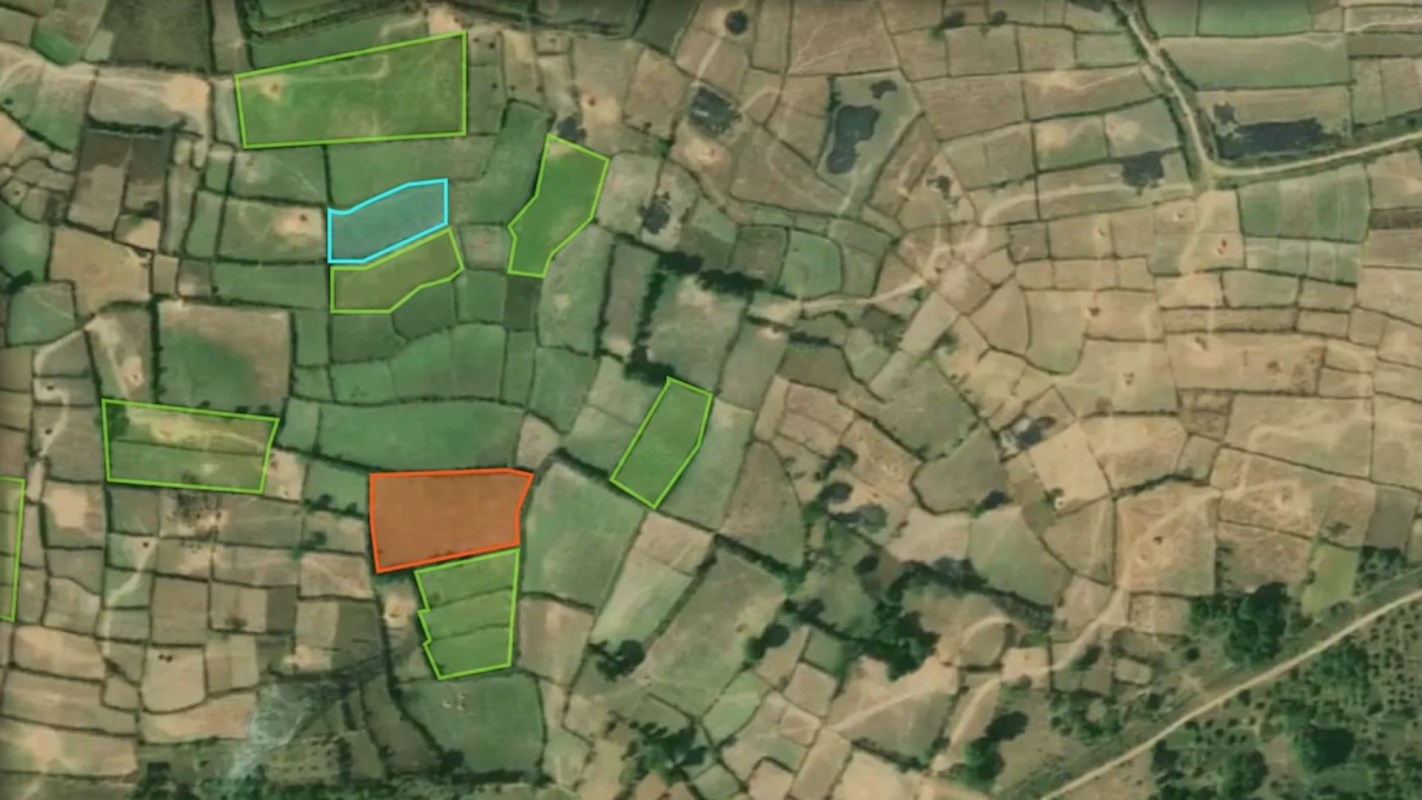
A New York-based startup is helping rice farmers earn more while tackling one of the world's biggest climate challenges.
According to TechCrunch, Mitti Labs has developed artificial intelligence tools that measure methane pollution from rice fields and train farmers to adopt more sustainable practices.
Rice farming is responsible for approximately 10% to 12% of human-caused methane emissions, per the publication. The crop is usually grown in flooded paddies, creating conditions that release large amounts of the potent planet-warming gas.
Mitti's technology uses satellite imagery and radar to analyze fields, even through water and clouds, and feeds that data into AI models.
These models allow the company to estimate methane pollution output for thousands of small farms without installing costly equipment. This makes it possible to keep costs low while scaling climate-friendly practices across rice-growing regions.
The company has partnered with The Nature Conservancy to promote regenerative, no-burn agriculture in India, where most of the fieldwork is done by local villagers.
TCD Picks » Quince Spotlight
💡These best-sellers from Quince deliver affordable, sustainable luxury for all




Farmers who join Mitti's programs benefit directly: carbon credits generated from methane reduction projects are sold, with proceeds shared back to farmers and communities.
"Usually, farmers will see about a 15% improvement in their bottom line by joining our programs," co-founder Xavier Laguarta told TechCrunch. For smallholder farmers, who often farm just a hectare of land, this additional income can mean greater stability and security.
The environmental benefits are also significant. Reducing methane pollution helps slow rising global temperatures, protects communities from climate-related risks, and promotes more resilient food systems. This is one way technology is being used to fight the climate crisis while supporting everyday people.
Similar advances are showing up in other areas of sustainability. Artificial intelligence is already being used to improve energy efficiency in buildings and to create innovative methods for cleaning polluted water. These tools save money, cut pollution, and build healthier communities.
|
What is the biggest reason you don't grow food at home? Click your choice to see results and speak your mind. |
 Not enough time ⏳
 "90% of rice is grown in Asia, and outside of potentially China, the majority of rice growing regions have these similar smallholder farmer dynamics," Laguarta said, per TechCrunch.
"A deep partnership that we have with the Nature Conservancy allows us to develop these tools that can then be used for a lot of other programs in the region."

Join our free newsletter for easy tips to save more and waste less, and don't miss this cool list of easy ways to help yourself while helping the planet.







