


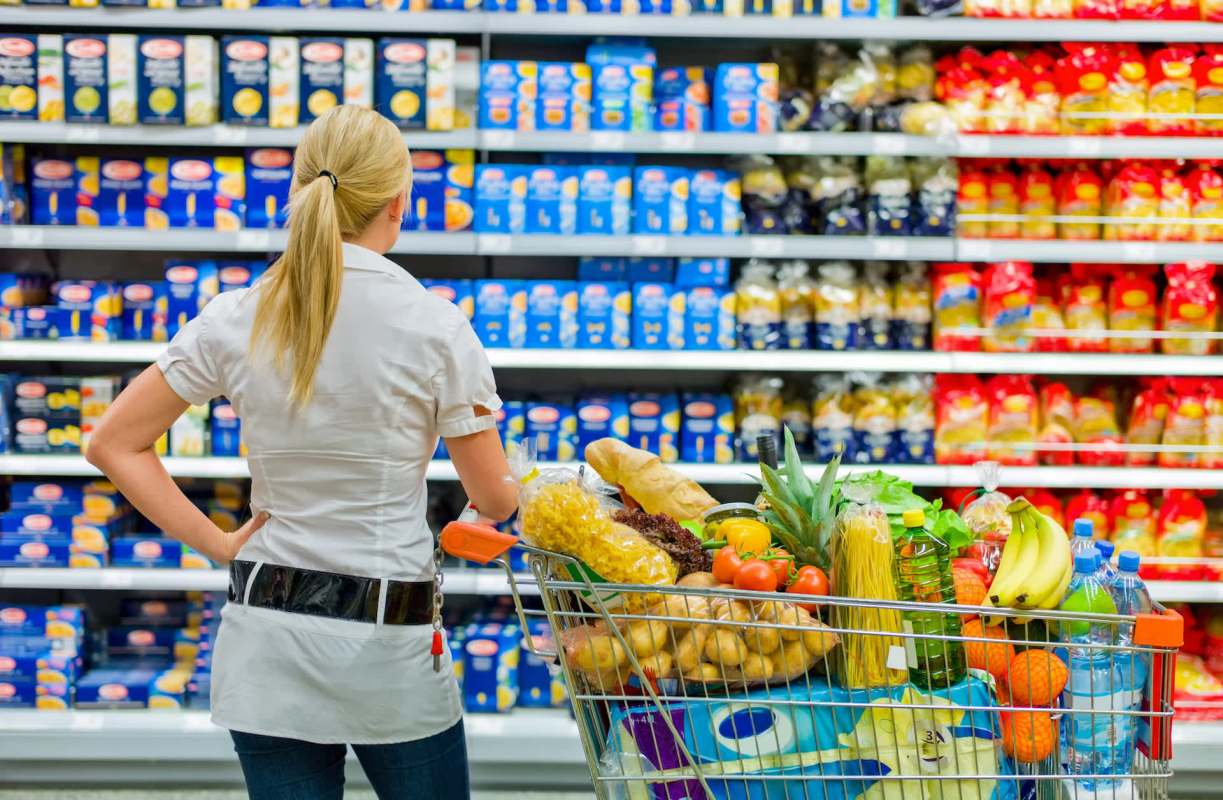
Food is getting more expensive, again. Across the Midwestern U.S. and beyond, food costs are creeping higher, a frustrating reality in a country where up to 40% of the food supply goes to waste each year. Even as shoppers tighten their budgets, a growing share of their paychecks is being eaten up by basics like bread, meat, and produce.
The scoop
Between July and August 2025, grocery prices across the U.S. rose 0.6%, reported the Milwaukee Journal Sentinel, the steepest one-month jump since 2022. In the Midwest, prices climbed 0.7% over the same period and 3.2% year over year, according to the latest Consumer Price Index.
Everyday staples are driving much of the increase. Cereal and bakery products are up 1% from July, while fruit and vegetables rose 2.4%. The biggest shock came from the meat, poultry, fish, and egg category, up 1.5% in a single month and 6.1% compared with last year.
Several forces are keeping grocery prices elevated. Supply chain disruptions that began during the pandemic have yet to fully ease, and tariffs on imported items such as coffee, bananas, and fish are adding new pressure. Meanwhile, drought conditions and high feed prices have driven the U.S. cattle inventory to its lowest point since the 1950s, according to the American Farm Bureau, pushing beef costs higher across the region.
TCD Picks » Martie
💡Martie makes it easy to find quality food at massive discounts while helping to fight food waste





At the same time, billions of pounds of perfectly good food are still being thrown away each year. That's where Martie comes in. Martie is an online marketplace that sells brand-name groceries and household essentials at up to 80% off retail prices.
How it's helping
For shoppers, the appeal is clear: less food waste and smaller bills. Martie's model gives new life to perfectly good products that major retailers might otherwise discard, offering a chance to save money while reducing the environmental impact of overproduction.
By shopping through Martie, consumers can make a tangible dent in food waste and stretch their grocery budgets further, something that matters more than ever as prices keep climbing.
What everyone's saying
Nearly half of Americans (47%) say it's harder to afford groceries now than it was a year ago, according to the latest Axios Vibes survey by the Harris Poll.
Save $10,000 on solar panels without even sharing your phone number Want to go solar but not sure who to trust? EnergySage has your back with free and transparent quotes from fully vetted providers in your area. To get started, just answer a few questions about your home — no phone number required. Within a day or two, EnergySage will email you the best options for your needs, and their expert advisers can help you compare quotes and pick a winner. Solar panels can save you more than $50k over their 25-year lifespan, and EnergySage can help you save as much as $10k on installation. Which begs the question — isn't that worth an email or two? |

"It's such a visible signal that life is harder today than it was even last year when we were in an election cycle," John Gerzema, CEO of the Harris Poll, told Axios.
That sense of strain is playing out in checkout lines across the country, where food costs continue to climb faster than wages. For many shoppers, turning to creative solutions like Martie isn't just about saving a few dollars; it's also about finding a smarter, more sustainable way to shop in a time when every dollar counts.
|
Should it be illegal to throw away old clothes?
Click your choice to see results and speak your mind. |
 Heck yes 👍
Join our free newsletter for easy tips to save more and waste less, and don't miss this cool list of easy ways to help yourself while helping the planet.
Cool Picks




