


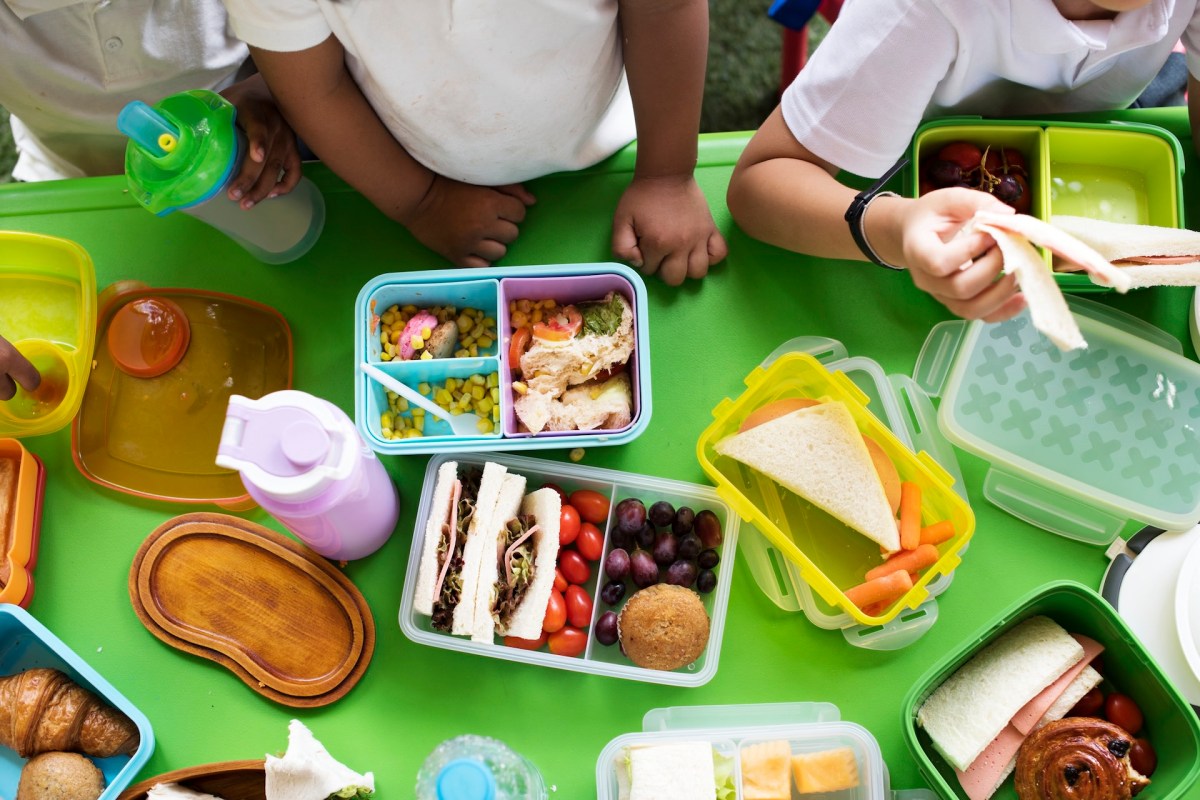
Parents typically do their best to ensure that their kids are eating nutritious foods, but a report published by the Public Interest Research Group reveals that, despite the group's best efforts, plastic is being consumed by our children.
PIRG is a collection of state-based, nonprofit organizations that do research on public interest issues and advocate for the public. They have found that the plastic packaging that so many of our kids' foods come in is releasing microplastics into the food they're eating.
What's happening?
Much of the food designed for kids is packaged in plastic. From cereal bags to apple sauce containers to granola bar wrappers, whenever we tear open a bag or twist off a cap, the plastic packaging is degraded, and tiny plastic pieces called microplastics are released into the food.
Microplastics are tiny, imperceptible plastic particles, so we can't detect them in our food.
Why is the presence of microplastics in our kids' food important?
If they're so tiny we can't see them, then they must be harmless, right?
Scientists say that's likely incorrect.
Though we don't fully understand the health risks of lifelong exposure to microplastics, we do know that they are present just about everywhere, including the air we breathe, the water we drink, and the food we eat. While one exposure may not seem harmful, kids are at increased risk for health issues. Microplastics have been found in human lungs, blood, and placental tissue.
Scientists think that when microplastics enter our bodies, they may spark inflammation and carry harmful chemicals that the plastic is made of — additives such as phthalates and bisphenols — into our bloodstreams. This can interfere with hormones, which is especially concerning in children who are still developing and growing.
What's being done about microplastics in our food supply?
While some companies claim to be working on alternatives to plastic packaging, many of them are more talk than action, and some have even been accused of greenwashing.
We can support companies that actually take action toward removing plastic from packaging and show other companies that they can benefit financially from making choices in the interest of human health and the environment.
TCD Picks » Quince Spotlight
💡These best-sellers from Quince deliver affordable, sustainable luxury for all




|
Do you worry about having toxic forever chemicals in your home?
Click your choice to see results and speak your mind. |
 Majorly 😥
 Individually, we can be mindful of how our kids' food is packaged. Purchasing food in bulk rather than small single-portion plastic packages and portioning it out into smaller, plastic-free containers can help limit our exposure, and using ceramic, metal, or glass containers and utensils for our food can also reduce our plastic exposure.
While it may be impossible to completely eliminate the consumption of microplastics until industry-wide changes are made, we can take steps to improve the situation.

Get TCD's free newsletters for easy tips to save more, waste less, and make smarter choices — and earn up to $5,000 toward clean upgrades in TCD's exclusive Rewards Club.
Cool Picks




