


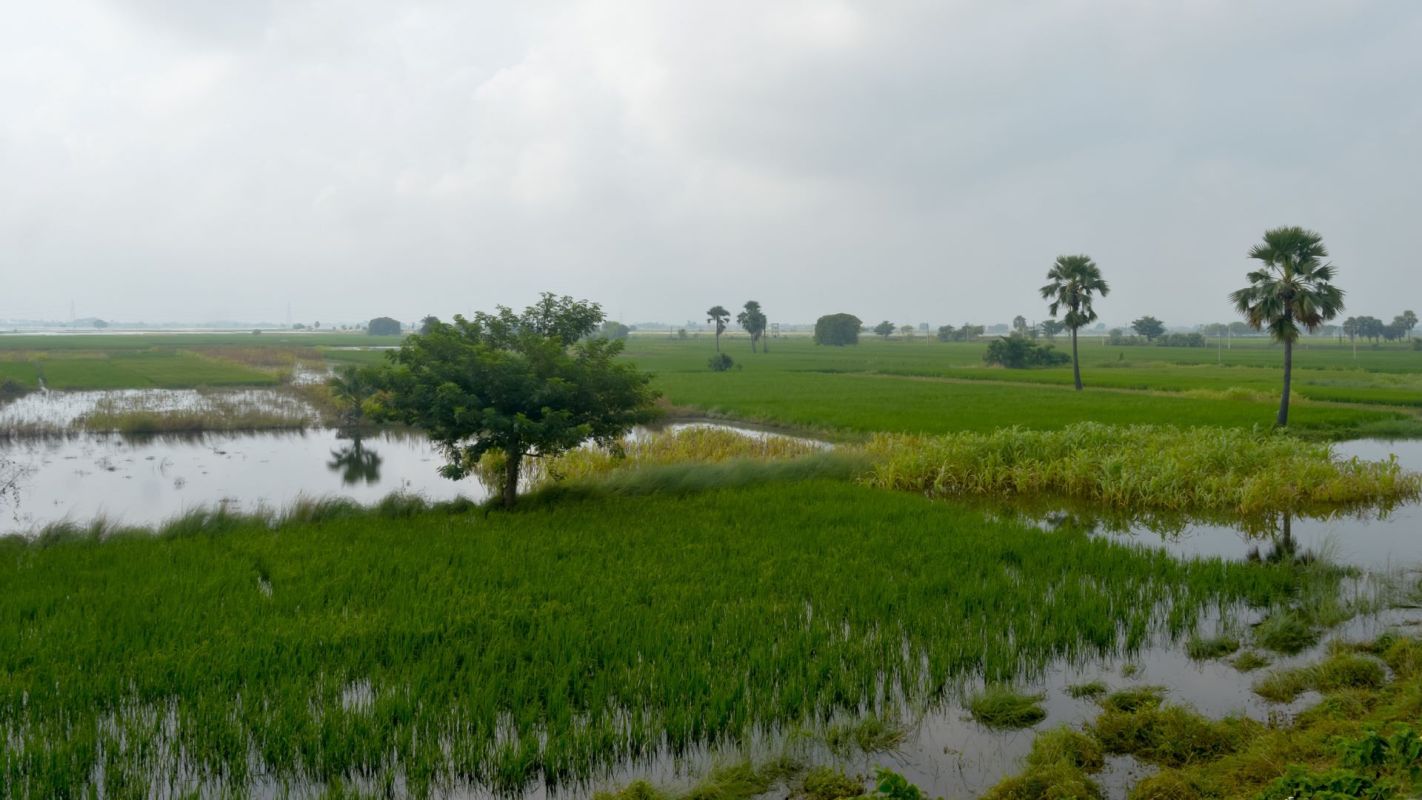
Crops in India have been devastated by heavy rainfall and winds from Cyclone Montha.
What's happening?
The Times of India reported that farmers across Jharkhand have seen crops of all kinds ruined or on the verge of ruin because of heavy winds and rainfall.
Standing paddy crops have been flattened and waterlogged, while already harvested crops have rotted. Vegetable crops have suffered, and as of now, the upcoming winter crop season appears delayed due to fields that are too saturated with water for tractors to access.
Birsa Agriculture University scientist Pragyan Kumari told the Times of India: "This is a period when paddy crops start ripening. They need bright sunlight for the seeds to become healthy. The rainfall would have an unfavorable impact on the process."
Farmers who expected a bumper crop this year are now looking at significant economic losses.
Why is a loss of crops concerning?
Farmers around the globe are facing similar issues to those in India because of extreme weather events that cause heavy rainfall, hailstorms, and more. The continued use of dirty energy sources that emit heat-trapping gases into the atmosphere and overheat our planet will lead to even more extreme weather, with more farmers losing crops.
This significant decrease in crop yields will cause farmers to lose income, which, in some cases, may lead to farms shutting down and fewer agricultural jobs being available.
For consumers, fewer crops mean food shortages at the grocery store, higher prices for the food that remains on the shelves, and destabilized food supply chains.
Additionally, the kinds of extreme weather farmers are facing may damage the soil and environment enough that crops in the future will struggle to grow.
How can farmers protect crops from extreme weather?
As it seems that extreme weather events will now be the norm, it's fortunate that farmers now have technological advances that can help them protect their crops.
TCD Picks » Quince Spotlight
💡These best-sellers from Quince deliver affordable, sustainable luxury for all




Predictive analysis can determine when extreme weather is on the way and provide early warnings that allow farmers to take measures to protect crops. Meanwhile, some researchers are learning how to genetically engineer plants that will be better able to withstand extreme weather, while others have created robots that can listen to plants to determine their needs, evaluate soil conditions, and more.
|
How was your garden's harvest this year?
Click your choice to see results and speak your mind. |
 Amazing! 🥰
💰Get TCD's free newsletters for easy tips to save more, waste less, and make smarter choices — and earn up to $5,000 toward clean upgrades in TCD's exclusive Rewards Club.
Cool Picks




