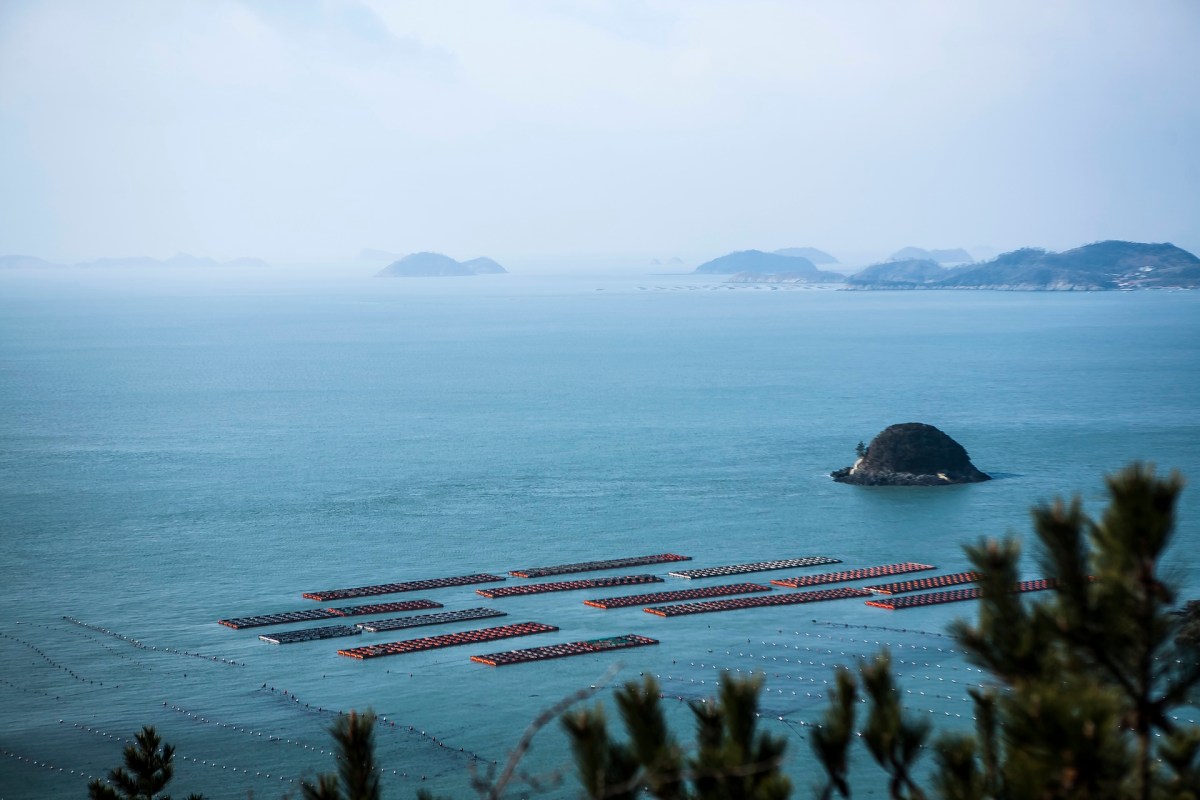
A new study has potentially dire implications for the future of Korean aquaculture — if change doesn't happen soon.
What's happening?
Researchers from the Republic of Korea's Department of Marine & Fisheries Business and Economics at Pukyong National University and from the National Institute of Fisheries Science sought to learn the true economic and ecological impacts of a changing climate on the nation's aquaculture, and they discovered that rising sea temperatures could take a toll of billions of Korean won.
Key species affected by warming waters include choice delicacies like abalone, which faces the highest projected damage costs. Other sea creatures and plants, such as rockfish, sea bass, kelp, and laver, will also face detriments.
Estimates put the losses at about 689.9 billion won, around $482 million.
Why are great losses to aquaculture important?
Arirang News reported as early as 2016 that "experts say that for Korea to become a major player in the global aquafarming industry, greater investments and policy changes are needed," and this new study proved that prediction correct.
Just like with any species loss, when the balance of an ecosystem is disturbed, it can harm people by decimating food supplies and eradicating industries.
Perk up the winter blues with natural, hemp-derived gummies Camino's hemp-derived gummies naturally support balance and recovery without disrupting your routine, so you can enjoy reliable, consistent dosing without guesswork or habit-forming ingredients. Flavors like sparkling pear for social events and tropical-burst for recovery deliver a sophisticated, elevated taste experience — and orchard peach for balance offers everyday support for managing stress while staying clear-headed and elevated.
Learn more → |

Human activity contributes to the loss of animals' habitats and to difficulties in agriculture, aquaculture, and livestock farming.
What's being done to alleviate the economic damage and improve conditions?
In other nations, the aquafarming industry has begun to make changes. According to Airang News, "countries like Denmark or Japan are also investing in clean technologies like smart-farming and equipment for high-quality mass production."
In Scotland, funds have been allocated to improve fish health and the future of aquaculture. Scientists in Singapore have devised a way to use wastewater from soybean production to produce fish meal, adding to a more sustainable industry.
In Korea, aquaculture scientists have created ingenious methods for producing glass eels and pollack in controlled environments, as shown in Arirang's video.
TCD Picks » Upway Spotlight
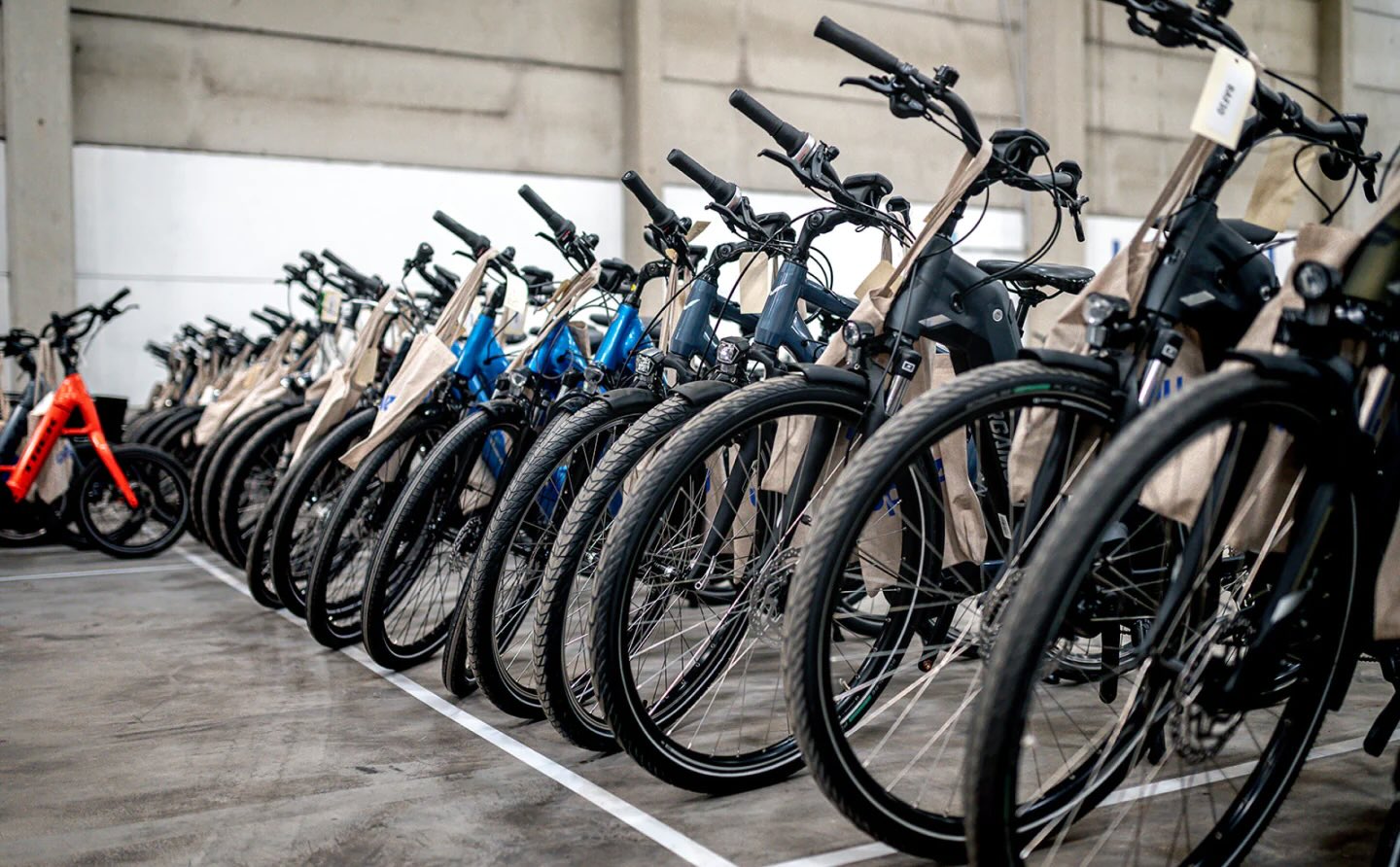
💡Upway makes it easy to find discounts of up to 60% on premium e-bike brands




|
What's the most you'd pay per month to put solar panels on your roof if there was no down payment?
Click your choice to see results and speak your mind. |
 $200 or more 💰
 But more change is needed, the new study said. The most significant way to protect the species that are essential to the well-being of the Republic of Korea's citizens and economy is to work together to curb global warming.
The study, published in Nature, stated: "As long as future water temperatures do not exceed the upper limits of optimal temperatures, stable production can continue. However, when water temperatures exceed the tolerable upper limits, aquaculture production becomes impossible as mass die-offs occur."

Get TCD's free newsletters for easy tips to save more, waste less, and make smarter choices — and earn up to $5,000 toward clean upgrades in TCD's exclusive Rewards Club.
Cool Picks