


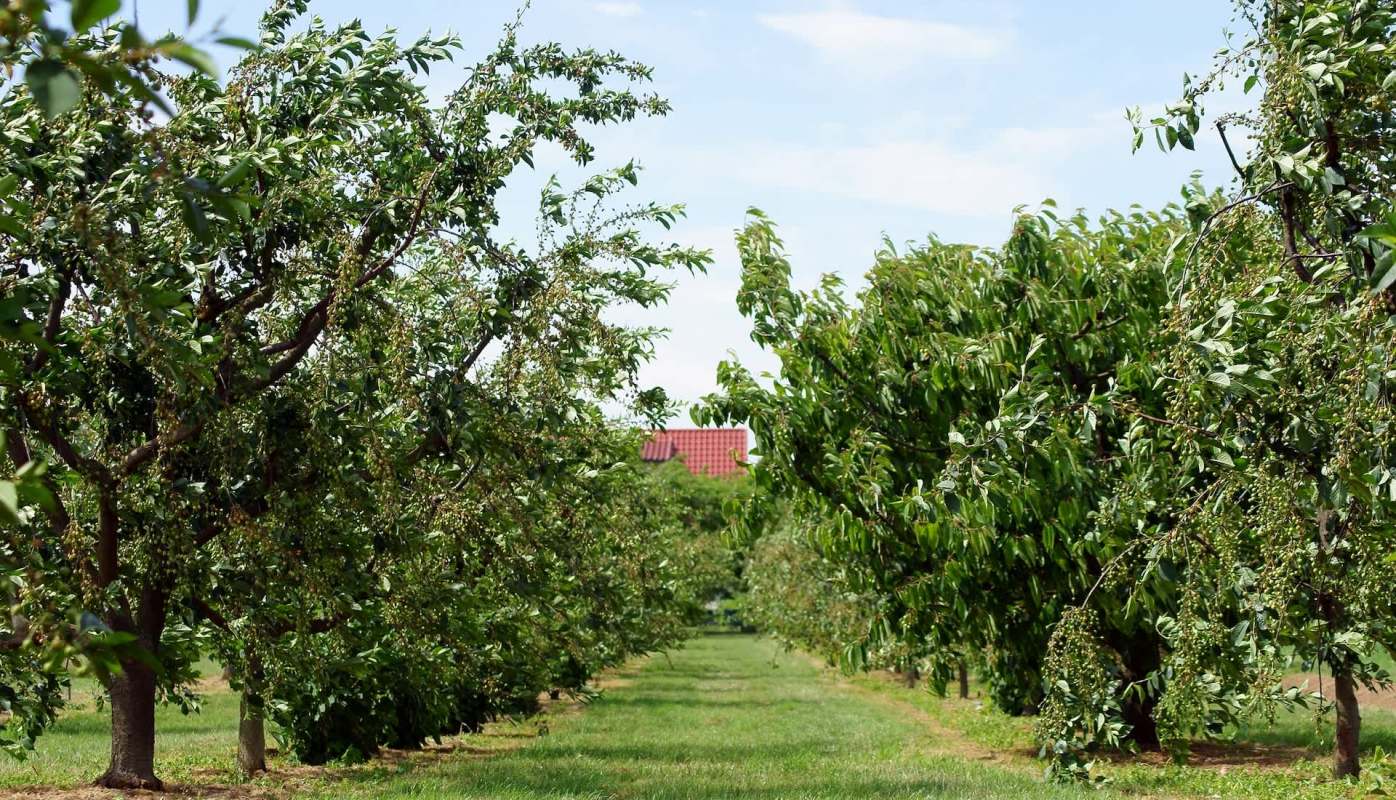
Kentucky orchards lost entire fruit harvests this year after brutal winter weather and spring cold snaps destroyed crops across the state, reported LEX 18.
What's happening?
Stepping Stone Farm in Bourbon County saw complete losses across multiple fruit varieties after spring temperatures dropped to 23 degrees over a three-day period.
The farm's 800 peach trees stand empty this season. Strawberry crops failed first, followed by blueberries. Pears, plums, and cherries yielded no harvest whatsoever.
The farm now sells peaches from Eckert's Orchard in Illinois to keep its store running. Only raspberries and blackberries survived the weather extremes, with pumpkins and apples expected this fall.
Why are struggling farms concerning?
Climate instability creates temperature swings that destroy the crops farmers depend on for income. When weather patterns become unpredictable, fruit trees bloom early during warm spells, then freeze when temperatures suddenly drop.
These crop failures affect everyone who buys groceries. Lost harvests mean higher prices at stores and fewer local options at farmers markets. Small family farms face the biggest challenges since they lack the resources larger operations use to weather bad seasons.
Destroyed fruit crops also disrupt local food systems. Pollinators lose food sources when orchards fail to bloom properly, and birds and wildlife that depend on fruit face hunger.
What can I do to help struggling farms?
Shop from local farms when possible, even if they sell produce from partner orchards. Your purchases help family farms survive difficult seasons.
Consider joining a Community Supported Agriculture program, which provides farmers with a steady income regardless of weather challenges.
Plant native fruit trees and bushes in your yard if you have space. Home gardens create backup food sources and support local pollinators.
TCD Picks » Quince Spotlight
💡These best-sellers from Quince deliver affordable, sustainable luxury for all




|
What is the biggest reason you don't grow food at home? Click your choice to see results and speak your mind. |
 Not enough time ⏳
 Support policies that help farmers adapt to extreme weather. Contact representatives about programs that provide crop insurance and climate resilience funding for small farms.
Visit farms for activities beyond fruit picking. Stepping Stone Farm and others offer events year-round that generate income when harvests fail.
Choose seasonal produce and preserve extras through freezing or canning. This reduces demand pressure during periods of shortage while supporting farms during abundant harvests.
"Make sure you're checking in with farmers; mental health in the farming community is huge," said Ally Vallandingham, co-owner of Stepping Stone Farm.
"Farming is an adventure and we wouldn't trade it for anything, so although it's a rough season, we still feel really blessed to be able to do this every day."

Join our free newsletter for easy tips to save more and waste less, and don't miss this cool list of easy ways to help yourself while helping the planet.
Cool Picks




