


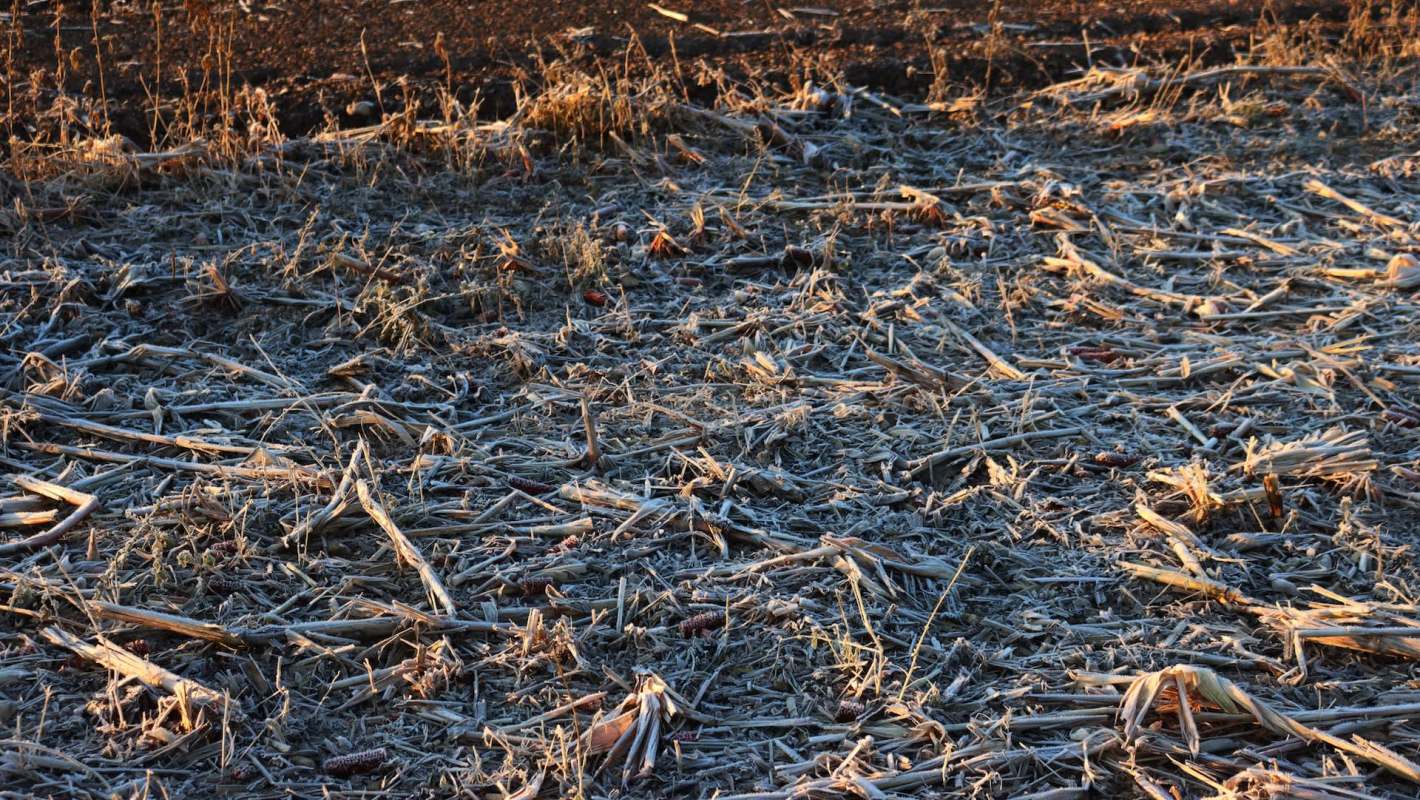
Farmers across parts of western India are facing an alarming setback due to erratic cold weather conditions. As frost recently set in, it began damaging crops that families rely on for their livelihoods.
What's happening?
According to The Times of India, several villages in Rajasthan's Jaisalmer district reported widespread frost hitting their crops following several days of intense cold. According to farmers, freezing temperatures turned water inside mustard pods to ice, preventing seeds from properly forming. Cumin crops, especially those in early growth stages, were also affected.
Weather experts said Jaisalmer has been facing severe cold wave conditions for four days in a row — something they say turned the district into a "cold chamber."
For farmers, the timing couldn't be worse. Many already invested heavily in seeds, irrigation, and labor — costs that become impossible to recover when crops fail. Livestock owners are also struggling, as freezing nights make it harder to keep animals healthy and to maintain supplies for their feed.
Why is this "cold chamber" concerning?
While cold snaps are not unheard of in desert regions (Jaisalmer is in India's Thar Desert), the severity and persistence of frost events are becoming harder to predict and more damaging when they arrive suddenly.
For farmers, even a few frost-affected mornings can mean the difference between a viable harvest and a financial loss. And when crop yields drop, the impact extends beyond the farmer's paycheck; lower supply can drive up food prices in the region, straining household budgets and destabilizing rural economies already under pressure.
These extreme temperature swings — from prolonged warmth to sudden freezing — disrupt growing cycles that farmers depend on. Similar disruptions have already affected food systems elsewhere, from drought-damaged grain harvests to unseasonal weather slashing fruit yields, showing how vulnerable agriculture becomes when conditions shift too fast for crops to adapt.
What can we do about erratic weather?
In Jaisalmer, a yellow cold alert was issued, with meteorologists warning that similar conditions could persist for several more days before relief arrived around mid-January. Farmers can take steps to protect crops as well as they can, like following suggestions in official crop contingency plans — but it's never foolproof.
It's essential to understand and address the larger forces driving weather instability with more research into how rising global temperatures are reshaping seasonal patterns. Reducing the amount of pollution humans generate can help slow the effects of the climate crisis.
In the long term, agricultural experts are looking for ways to adapt, including pushing for improved early-warning systems for volatile weather shifts, frost-resistant crop varieties, and better regional planning to help farmers prepare for sudden temperature extremes.
TCD Picks » Quince Spotlight
💡These best-sellers from Quince deliver affordable, sustainable luxury for all




|
What's the most you'd pay per month to put solar panels on your roof if there was no down payment?
Click your choice to see results and speak your mind. |
 $200 or more 💰
Get TCD's free newsletters for easy tips to save more, waste less, and make smarter choices — and earn up to $5,000 toward clean upgrades in TCD's exclusive Rewards Club.
Cool Picks




