


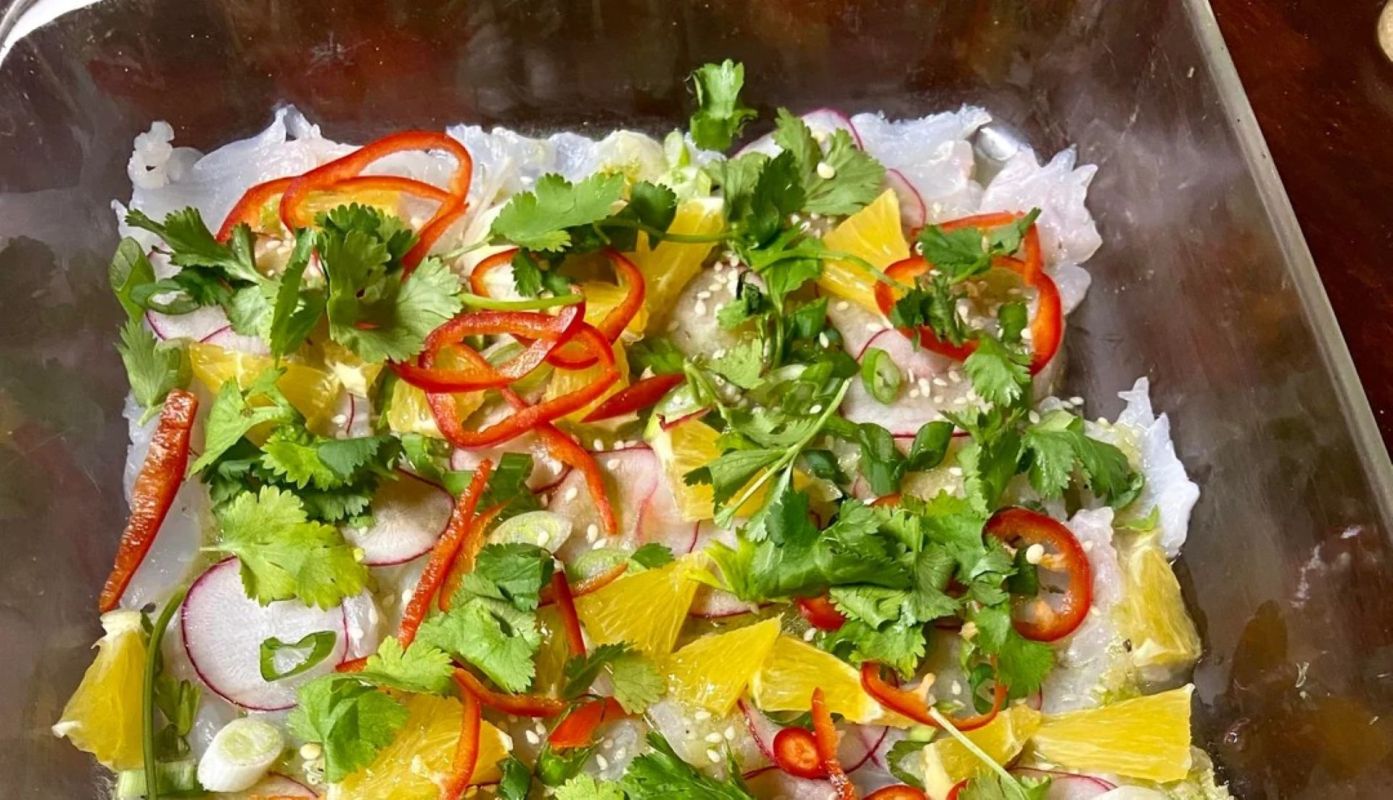
A home chef on Reddit's r/food encouraged fellow users to add an unusual ingredient to their menus: invasive lionfish.
In a post titled "[homemade] Invasive Lionfish Crudo," the original poster shared photos of a vibrant raw-fish dish topped with herbs, radishes, a citrus fruit, and sliced jalapeños, alongside an image of the striped fish itself.
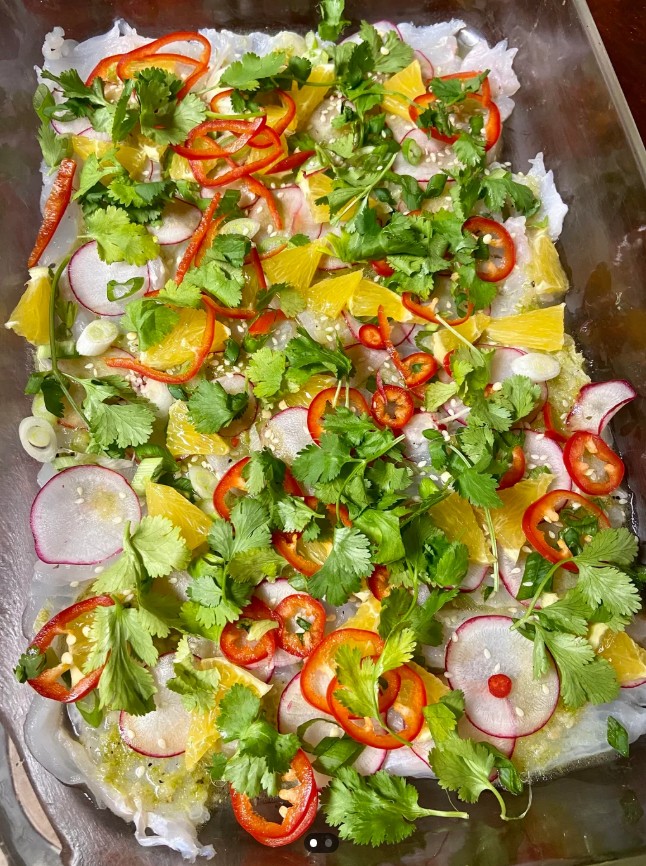
Commenters salivated over the unique dish.
"This looks like my kind of crudo," one said.
"Best way to reduce their numbers," another commenter noted.
Lionfish are considered one of the most destructive invasive marine species in U.S. waters.
Native to the Indo-Pacific, they were likely introduced to the Atlantic Ocean in the 1980s through aquarium releases and have since spread throughout the Caribbean and southeastern United States.
Once established, lionfish populations grew rapidly because they reproduce year-round, have few natural predators, and can tolerate a wide range of conditions.
One lionfish alone can reduce the maturation of native fish species by 79%, according to NOAA Fisheries.
Lionfish are voracious predators that consume large numbers of native fish and crustaceans, which can ultimately lead to reductions of local fish populations and to impacts on entire reef ecosystems.
TCD Picks » Quince Spotlight
💡These best-sellers from Quince deliver affordable, sustainable luxury for all




|
Which of these savings plans for rooftop solar panels would be most appealing for you?
Click your choice to see results and earn rewards to spend on home upgrades. |
 Save $1,000 this year 💸
 An invasive species is a non-native organism that can harm an ecosystem when introduced into a new habitat. These species outcompete native wildlife for food and resources, disrupting ecological balance and biodiversity.
That's why conservationists are increasingly promoting lionfish as a sustainable seafood choice. Once the venomous spines are removed, the fish is safe to eat.
"Lionfish is absolutely delicious," another Redditor shared. "Probably my [favorite] fish of all."
Encouraging people to harvest and consume invasive species is a win-win; it can help restore ecological balance while also creating new economic opportunities for chefs and coastal communities.
Efforts like these show how simple everyday choices can help protect fragile ecosystems and support a healthier environmental future.

Get TCD's free newsletters for easy tips to save more, waste less, and make smarter choices — and earn up to $5,000 toward clean upgrades in TCD's exclusive Rewards Club.
Cool Picks




