


The Maryland state government, in cooperation with the United States Department of Agriculture, will provide $1.9 million for the purchase of wild-caught blue catfish.
The funds are expected to supply 283,000 pounds of fish fillets to local food banks, according to a state press release. Together with improving food security and supporting fishermen and seafood processors, the initiative will help manage an invasive species in the Chesapeake Bay.
Native to the Mississippi, Missouri, Ohio, and Rio Grande river basins, blue catfish were introduced to the Chesapeake decades ago, according to the National Oceanic and Atmospheric Administration.
Though they were initially introduced as a target for recreational fishing, blue catfish populations have overtaken the area. They've since become a challenging predator in Chesapeake tributaries and may feed on native species while disrupting ecosystem balance. The fish has also reportedly disrupted recovery efforts for native species such as river herring.
Luckily, programs like these can help make a difference. A key part of the Chesapeake Bay Program's strategy is to encourage the consumption of blue catfish and other invasive species.
When it comes to eating invasive species, Maryland may be ahead of the curve. The St. Mary's Chamber of Commerce, for example, served up blue catfish at a catered dinner in October. And plenty of other regions are getting in on the action. Mississippi River Basin officials, for instance, are urging residents to eat invasive carp.
Perk up the winter blues with natural, hemp-derived gummies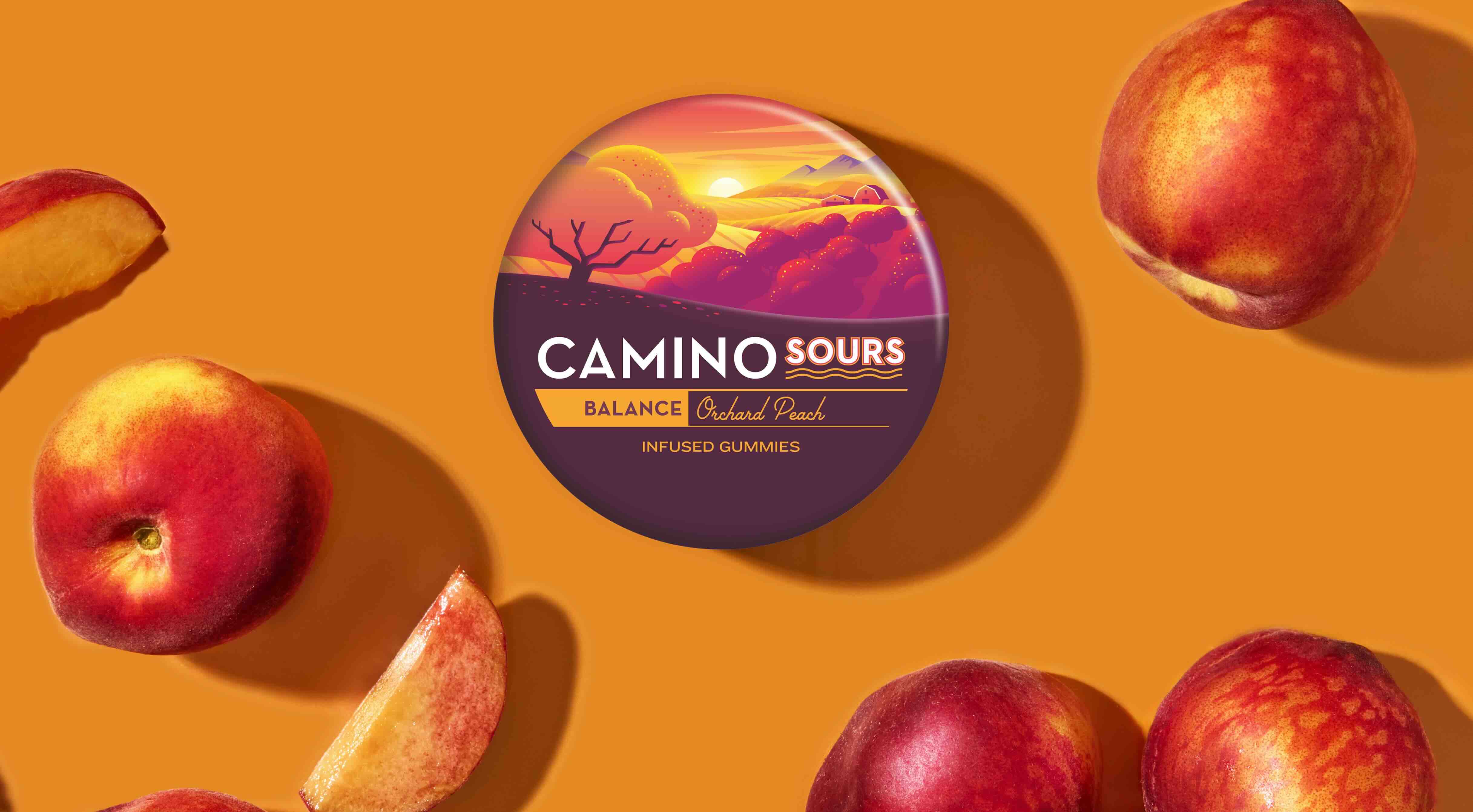 Camino's hemp-derived gummies naturally support balance and recovery without disrupting your routine, so you can enjoy reliable, consistent dosing without guesswork or habit-forming ingredients. Flavors like sparkling pear for social events and tropical-burst for recovery deliver a sophisticated, elevated taste experience — and orchard peach for balance offers everyday support for managing stress while staying clear-headed and elevated.
Learn more → |

Maryland Food Bank chief executive officer Meg Kimmel praised Maryland's new program. "Blue catfish is a win-win for the Maryland Food Bank," Kimmel said in the release. "We are supporting local businesses and helping to combat an invasive species in the bay, while also providing a nutritious source of protein to neighbors facing food insecurity."
|
What is the biggest reason you don't grow food at home? Click your choice to see results and speak your mind. |
 Not enough time ⏳
Get TCD's free newsletters for easy tips to save more, waste less, and make smarter choices — and earn up to $5,000 toward clean upgrades in TCD's exclusive Rewards Club.
Cool Picks




