


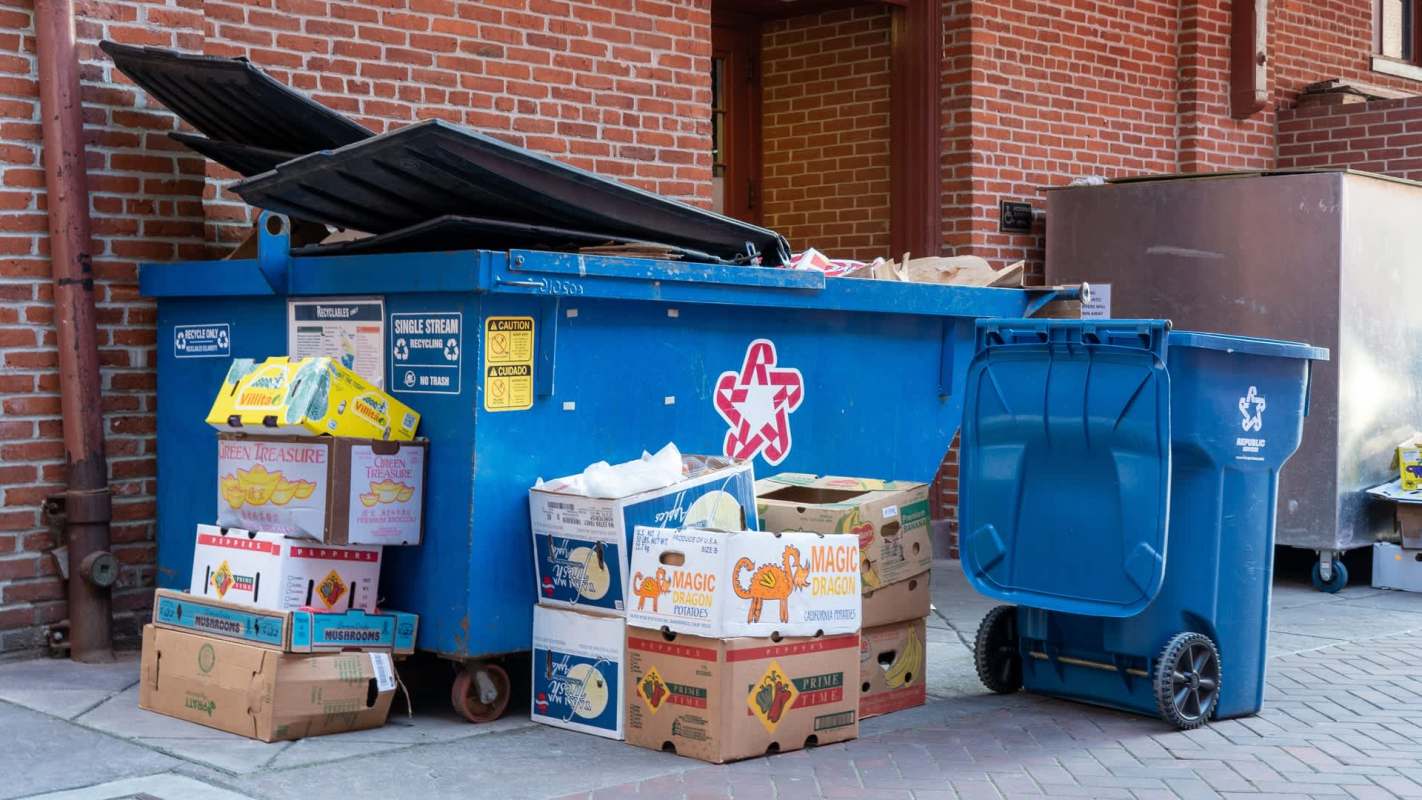
A shopper's photos of grocery store food waste led to a conversation about how retailers handle edible items. The images showed bins overflowing with potatoes, avocados, leafy greens, bell peppers, fruits, alliums, and more, all discarded despite appearing ready to eat.
What happened?
A user shared their find on Reddit's r/DumpsterDiving community: nine shots of bins from a single store over several months. The bins contained whole onions, ripe avocados, fresh lettuce, and bell peppers.


"This store has tons of produce and occasionally bakery items," the user wrote. "It is ridiculous and a place I have taken a couple of friends to teach them about diving." They noted in a comment that the store removes food "days before best by dates" and doesn't offer clearance pricing.
The shopper explained the discarded food helps feed their family. They added: "Just got a whole bag of avocados last night — cut one up immediately. It was perfectly ripe, no bruising."
Why is this food waste a problem?
Nearly one-third of all food in U.S. grocery stores gets thrown away each year. That's approximately 16 billion pounds of food waste.
When food winds up in landfills, it emits methane, a powerful pollutant. Food waste is responsible for almost 10% of heat-trapping pollution on Earth. Meanwhile, nearly 18 million American households struggle with food insecurity. What may be even worse is that about 24% of all water used for farming gets wasted with the tossed food.
Is the grocery industry doing anything about this?
Some progress is happening. A study found retailers on the West Coast decreased unsold food by 25% from 2019 to 2022, cutting nearly 190,000 tons of waste. It showed a 20% increase in food donations and a 28% increase in composting.
Many stores now use technology to generate more accurate orders. The Bill Emerson Good Samaritan Food Donation Act also protects businesses when they donate food in good faith to nonprofits, and the Food Donation Improvement Act of 2022 expanded these protections.
California SB 1383 requires large grocery stores to donate surplus food to local programs. The law looks to cut organic waste by 75% by 2025.
What can I do about food waste more broadly?
Start by reducing waste in your own kitchen. Plan weekly meals before shopping to buy only what you need. Store produce at proper temperatures and use airtight containers to keep food fresh.
TCD Picks » Quince Spotlight
💡These best-sellers from Quince deliver affordable, sustainable luxury for all




|
What should the government do about the fast fashion industry?
Click your choice to see results and speak your mind. |
 Set strict regulations 🚫
 Many apps now sell surplus food at hefty discounts. Local food rescue organizations need volunteers to transport donations from stores to community programs.
Composting turns unavoidable food scraps into useful soil. Many cities offer curbside composting pickup. If you spot excessive waste at a local store, contact the manager to ask about their donation programs.

Get TCD's free newsletters for easy tips to save more, waste less, and make smarter choices — and earn up to $5,000 toward clean upgrades in TCD's exclusive Rewards Club.
Cool Picks




