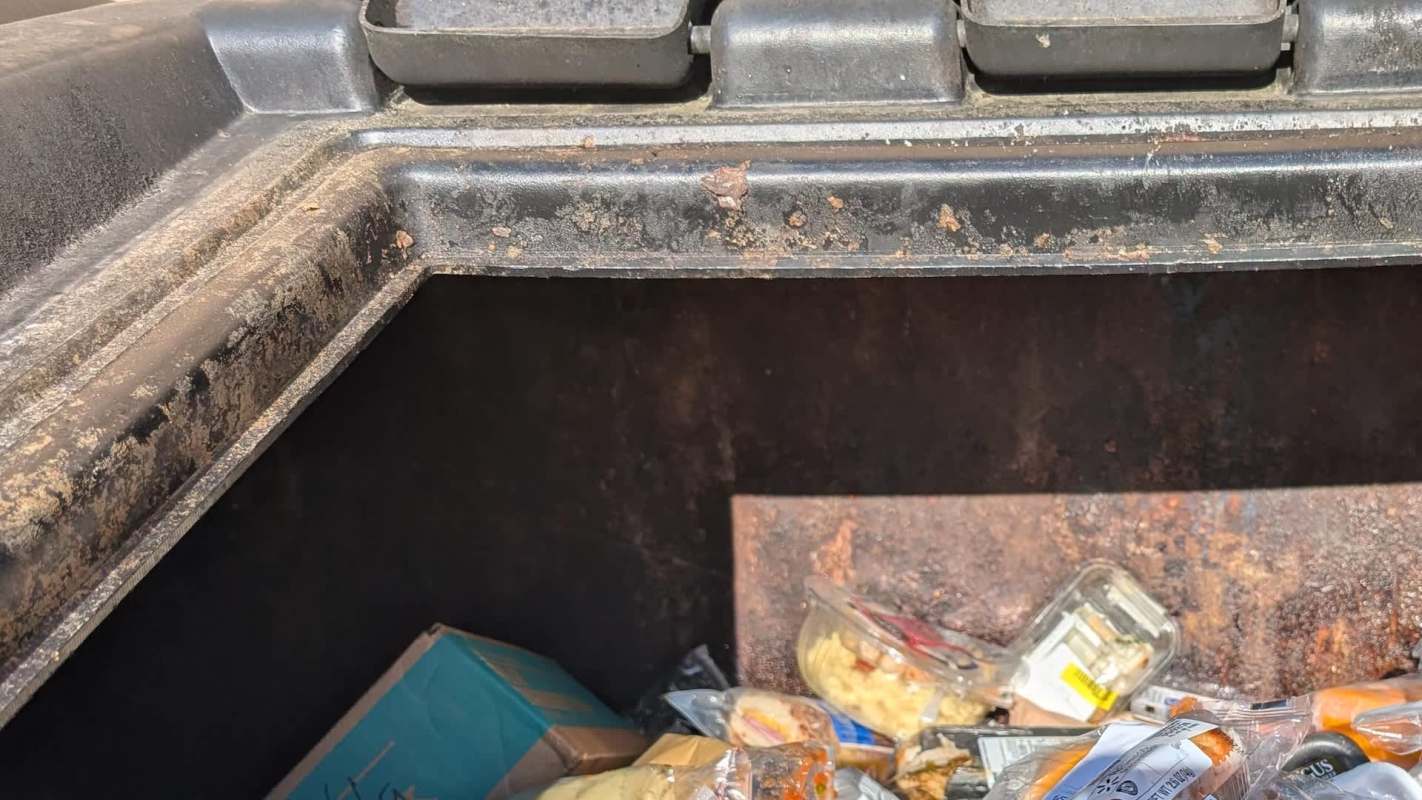
A blunt Reddit post is gaining traction for putting a feeling many consumers already have into words: No matter how carefully people recycle, it can feel impossible to keep up with the amount of food large grocery stores throw away every day.
The post, shared in r/Anticonsumption, taps into a growing frustration over retail food waste and delivery culture.
The original poster argued that services such as DoorDash and Spark can make the problem worse, writing that "whatever doesn't get picked that day [gets] tossed in the morning" and adding, "Nothing less than town wide, city wide, county wide efforts will make a difference."
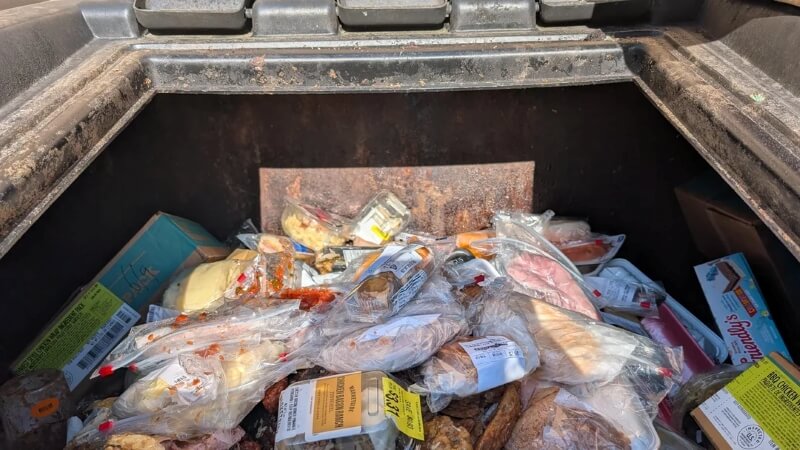
The discussion is resonating because it hits a nerve. Many people are trying to recycle more, waste less, and shop more intentionally, all while watching stores discard huge amounts of edible or nearly edible food. The post suggests that there is only so much personal responsibility can do when businesses operate on a far larger scale.
That frustration makes sense. Food waste is a major environmental problem because discarded food in landfills produces methane, a heat-trapping gas that contributes to rising global temperatures. It also means wasted water, energy, labor, packaging, and transportation. For shoppers, it can be especially maddening to see shelves emptied, prices remain high, and food still end up in dumpsters overnight.
At the same time, advocates and experts often point out that the issue is more complicated than simply giving everything away. Food must be safe for human consumption before it can be donated, and rules around expiration dates, storage, and liability can vary.
TCD Picks » Quince Spotlight
💡These best-sellers from Quince deliver affordable, sustainable luxury for all




Even so, there are practical solutions that many communities and retailers could expand, including steep markdowns on near-expired items, grocery rescue programs, direct partnerships with food banks and shelters, and donations of products that are no longer suitable for people but can still be used for animal feed or compost, where permitted.
Apps like Too Good To Go help restaurants sell food that would otherwise be wasted, and give customers a chance to get quality, discounted food. Meanwhile, Flashfood allows customers to buy groceries nearing their expiration dates at a discount.
Commenters were quick to agree with the broader point while still urging action where possible.
One user wrote, "You will never be proven wrong because what you're saying is true. But don't stop — I choose to reduce waste because I believe in it."
Another added, "Just because Walmart is making all this waste it doesn't mean your effort is not worth it."
Others pointed to policy solutions and local examples, with one commenter arguing that laws requiring steep discounts on near-expired food could dramatically cut waste, while another described a former workplace sending surplus baked goods to pig farmers and old meat to a wolf rescue.
Taken together, the thread captures a tension that comes up often online: Individual choices still matter, but many of the biggest waste problems will require store-level policies and broader community systems to make a meaningful dent.

Get TCD's free newsletters for easy tips, smart advice, and a chance to earn $5,000 toward home upgrades. To see more stories like this one, change your Google preferences here.