


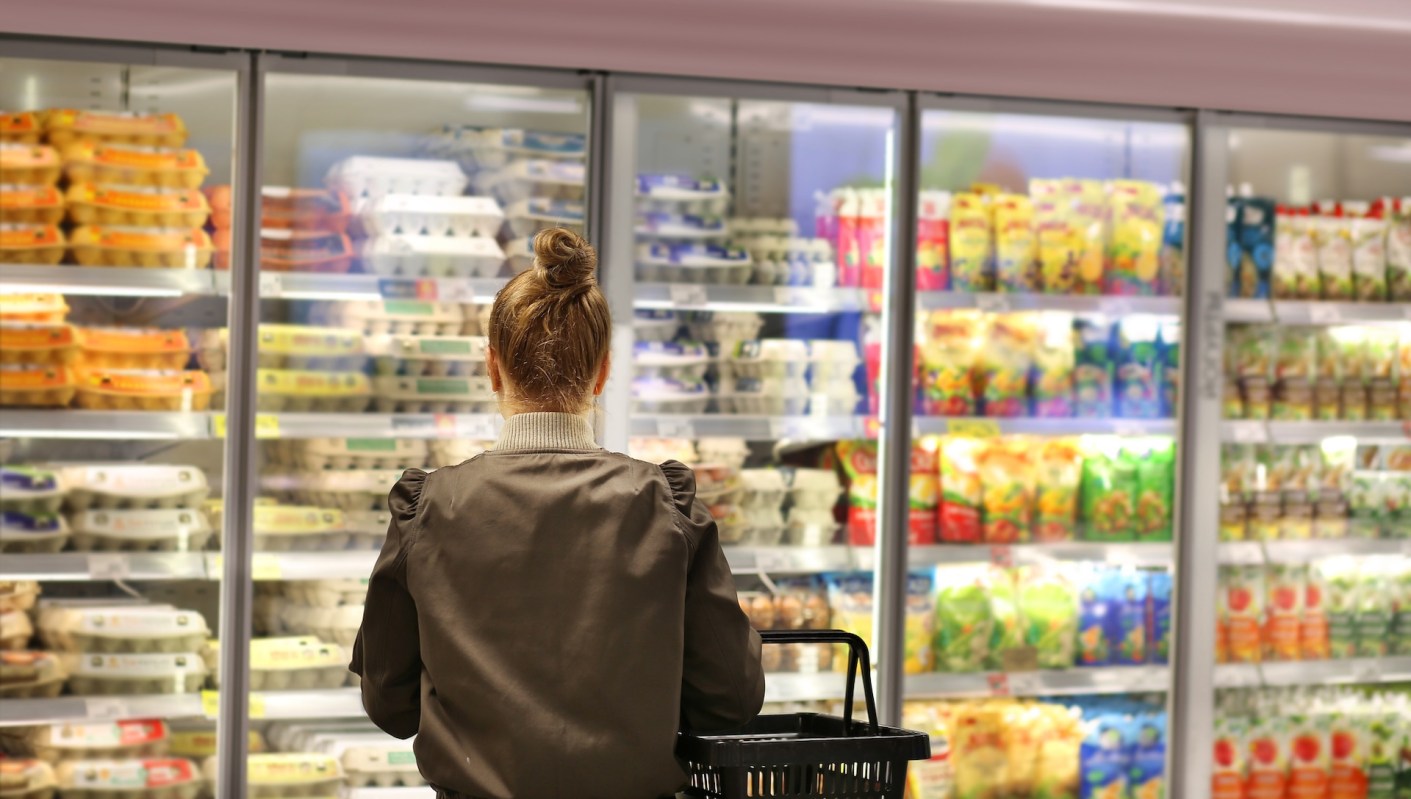
A recent study found that one-quarter of Gen Z participants are losing hundreds of dollars every year due to a misinterpretation of food labels, with nearly half not understanding their meanings.
What's happening?
The Toronto Star reported that around 40% of Gen Z Canadians don't understand what a "best before" date means, according to a joint survey from Dalhousie University's agri-food analytics lab and Too Good To Go. One-quarter of participants report discarding food with expired "best before" dates, costing them an estimated 329 Canadian dollars ($233) every year.
"That was definitely one of the very insightful data that we collected through this research. [There's] some kind of generational gap, and definitely around knowledge, there is a strong gap," Too Good To Go spokesperson Nicolas Dot told the publication.
Why is this important?
While a large number of Gen Z Canadians — classified as someone between the ages of 18 and 24 — reported misinterpreting best-before labels, which refer to peak freshness rather than product safety, they weren't alone in their misunderstanding.
The survey found that 63% of all Canadians depend on best-before dates to determine whether a product is safe to consume, according to the Toronto Star. All in all, the average household estimated it threw out nearly CA$800 in food every year because of expired best-before dates.
"It's definitely a lot of money that can be saved every year for Canadians," Dot said.
The misinterpretation of food labels is more than just a local issue. For instance, Americans throw out nearly $15 billion worth of perfectly good food every year due to labeling confusion.
As frustrating as these sunk costs are for consumers, food waste is worrying on another level as well. Wasted food means mismanaged water, land, and energy resources. It directly contributes to biodiversity loss and degrades the ecosystems that support our food supply web.
What's being done about this?
The first step to minimizing food waste is to understand what food labels mean — keep in mind that conventions can differ. The U.S. Department of Agriculture has information about food labels in the U.S.
Meanwhile, Dot explained to the Toronto Star that a "sniff test" is an easy way to determine whether something is OK to eat after its "best before" date. Making a list before you go to the grocery store and storing food properly can also save you money and help minimize food waste.
TCD Picks » Quince Spotlight
💡These best-sellers from Quince deliver affordable, sustainable luxury for all




If you want to keep perfectly good food out of landfills while freeing up room in your budget, Martie sells overstocked snacks, drinks, and more at up to 80% off their retail prices. You can also score discounted "surprise bags" from local restaurants with the Too Good To Go app.
|
Do you throw your old batteries in the trash? Click your choice to see results and speak your mind. |
 Yes — always 😬
💰Get TCD's free newsletters for easy tips to save more, waste less, and make smarter choices — and earn up to $5,000 toward clean upgrades in TCD's exclusive Rewards Club.
Cool Picks




