


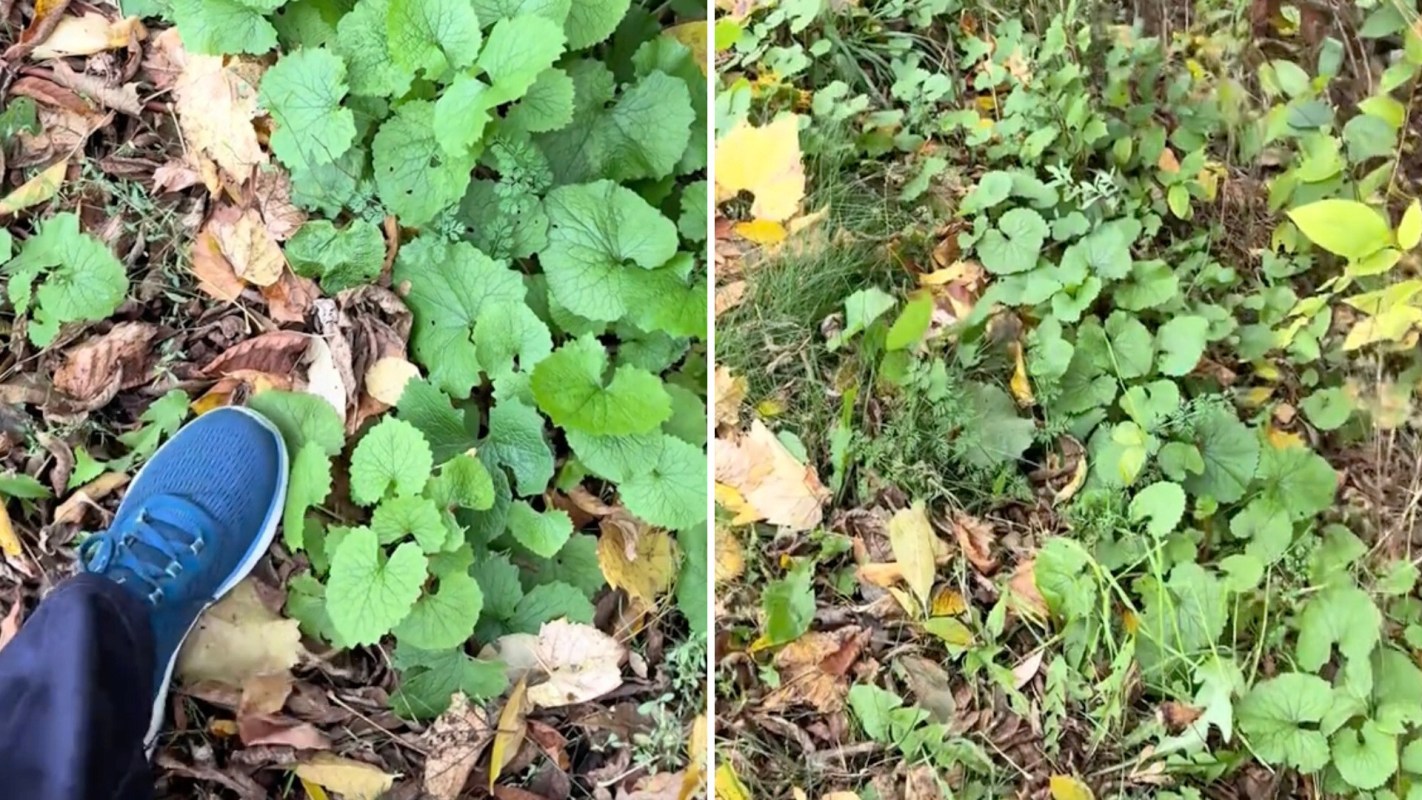
A forager on TikTok is turning heads with a culinary suggestion that also helps restore balance to local ecosystems.
In a recent video, creator Greenwave (@tatiana.s859) introduces viewers to garlic mustard, a deceptively delicate-looking plant that's actually one of North America's most damaging invasive plants.
@tatiana.s859 Invasive plant alert! If you can't beat them, eat them! Garlic mustard plant is full of good nutrients and has an interesting flavour. #ontariocanada🇨🇦 #plantidentification #invasivespecies ♬ Birds ambience - DJ BAI
Native to Europe and Asia, garlic mustard is an invasive plant that spreads aggressively and outcompetes local plants.
"As you can see, it covers the ground; it doesn't allow native plants to grow," she says in the video. "All because this plant is producing special components that kill the fungi in the soil."
Those fungi are crucial because they help native plants absorb nutrients. Once garlic mustard takes over, entire forest ecosystems can be thrown off balance — affecting native plant species, local wildlife, and pollinators essential to our food supply.
But there is a resourceful solution.
Perk up the winter blues with natural, hemp-derived gummies Camino's hemp-derived gummies naturally support balance and recovery without disrupting your routine, so you can enjoy reliable, consistent dosing without guesswork or habit-forming ingredients. Flavors like sparkling pear for social events and tropical-burst for recovery deliver a sophisticated, elevated taste experience — and orchard peach for balance offers everyday support for managing stress while staying clear-headed and elevated.
Learn more → |

"If you can't beat them, eat them!" Greenwave said in the caption. "Garlic mustard plant is full of good nutrients and has an interesting flavour."
The leaves and stems are edible and taste a bit like garlicky spinach or mustard greens. It's important, though, to harvest the plant earlier — the leaves will be less bitter, and this helps reduce the spread of its seeds. If you do eat an older garlic mustard plant, it's very important to cook it thoroughly because the leaves can be toxic.
By encouraging people to harvest and eat this invader, foragers help limit its spread while introducing households to a new food source. Efforts like this have a bigger impact than you might think. According to the Invasive Species Centre, garlic mustard can essentially take over a forest within just five to seven years, meaning every plant removed makes a difference.
Similar eco-food movements have caught on across the U.S., from officials urging chefs to use invasive species to foragers turning invasive plants into side dishes. Each effort brings us a step closer to taking care of the plants that threaten local biodiversity without any waste. And protecting biodiversity, in turn, protects the balanced ecosystem our wider food web depends on.
TCD Picks » Upway Spotlight
💡Upway makes it easy to find discounts of up to 60% on premium e-bike brands





|
Should the government be allowed to ban certain plants? Click your choice to see results and speak your mind. |
 Definitely 👍
 Some viewers agreed that this helps make the most of a bad situation.
"We saw this in a video and we went out to pull it out and eat some here on the west coast. My kids love an excuse to start tearing plants out," wrote one commenter.

💰Get TCD's free newsletters for easy tips to save more, waste less, and make smarter choices — and earn up to $5,000 toward clean upgrades in TCD's exclusive Rewards Club.
Cool Picks




