


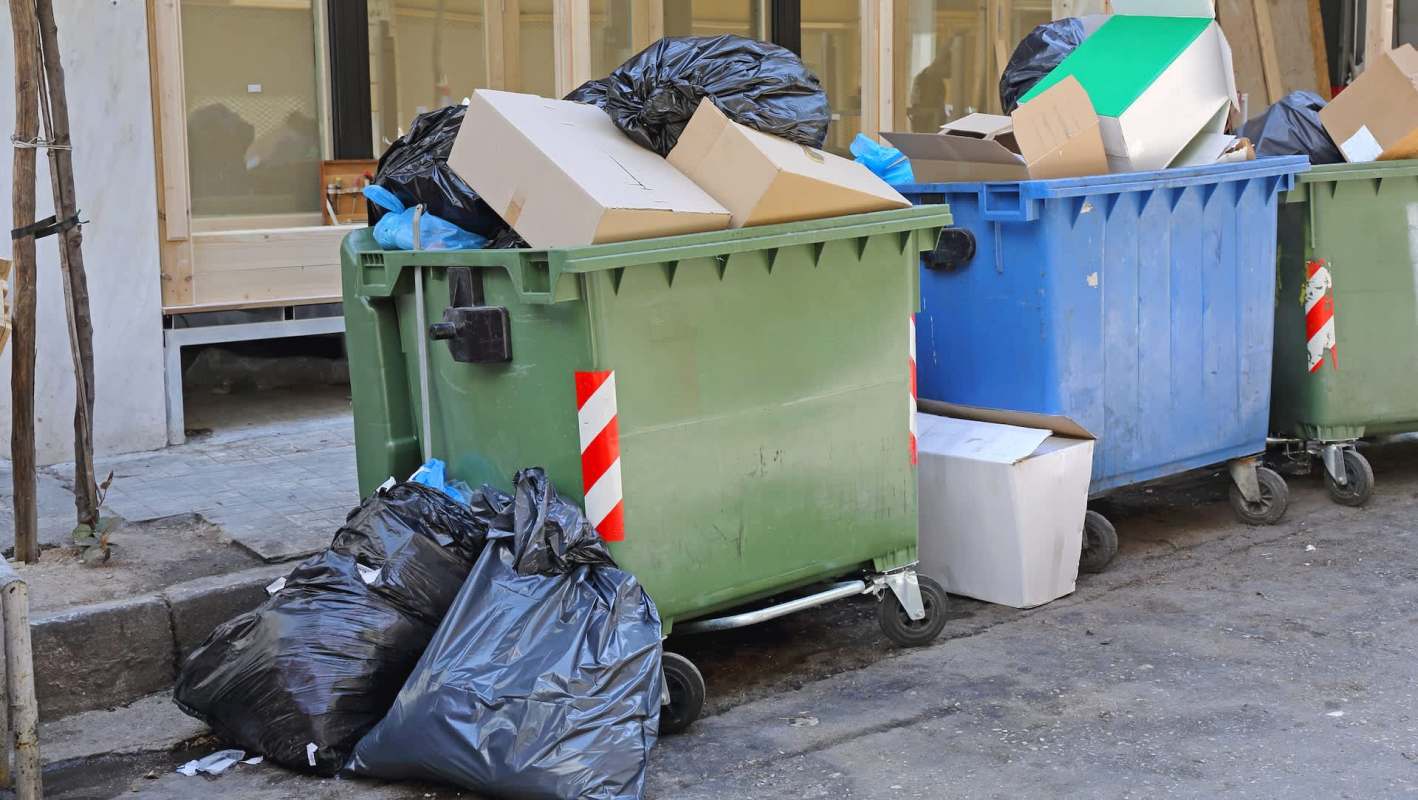
A dumpster dive uncovered so much edible food waste that viewers couldn't stomach what they were seeing.
What's happening?
In a Reddit post, the diver documented a recent dumpster dive that turned up bags full of milk, yogurt, crackers, and other packaged foods that appeared unopened and still edible.
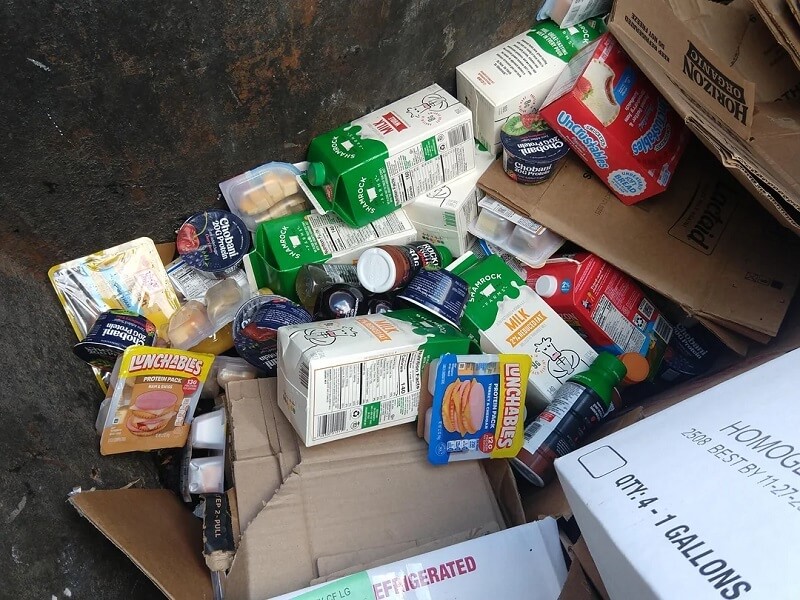
"Still surprised by the amount of food thrown out," the user wrote. "It was pretty cold out so I hoped that they were still in good condition. The milk and yogurt weren't past their expiry dates. Yesterday I came back to the same store and found a container of cerave, gilette deodorant still sealed, unexpired belvita crackers, unopened cheerios containers, and a barbie doll lol."
Commenters echoed that frustration. Some noted how common these finds have become, and others shared tips for donating or redistributing what can be safely used.
"The more trash food I collect, the sadder I get about food waste. I am at the point now where I would like to distribute my excess findings but I'm not sure how," said one commenter.
Why is food waste important?
Food waste is a problem both for the environment and society. In fact, about 119 billion pounds of food is thrown away annually in the United States. This is nearly one-third of all food.
When food is thrown away, all the resources used to grow, transport, refrigerate, and package it are wasted too. This contributes to harmful gas emissions that worsen the planet's overheating.
Meanwhile, millions of people struggle with food insecurity, and grocery prices are still surging. As shoppers face sticker shock and some people wonder where they'll get their next meal, perfectly good food sits in dumpsters like this one.
Is the company doing anything about this?
The post does not name a specific grocery chain. It could also be that the dumpster outside only reflects a single store's practices rather than the company-wide policy.
Stores and restaurants must follow food safety rules to avoid liability issues. These rules are set for the protection of customers, but they also make discarding items easier than donating them.
TCD Picks » Quince Spotlight
💡These best-sellers from Quince deliver affordable, sustainable luxury for all




|
Should companies be required to help recycle their own products?
Click your choice to see results and speak your mind. |
 Definitely 👍
 That said, there are clear examples of better approaches. Some grocery chains partner with food banks and local organizations. They redirect surplus food during disruptions, like power outages, rather than sending it to landfills. Kroger locations have done this after storms.
Other retailers, including Trader Joe's, have implemented donation programs that prioritize safe redistribution before disposal. These efforts show that large-scale food waste is not inevitable when systems are in place to handle surplus responsibly.
What's being done about food waste more broadly?
Across the U.S., more cities and companies are expanding food donation programs and clarifying liability protections to make it easier for stores to donate food. When donation isn't possible, composting offers a far better alternative than landfill disposal by turning food scraps into nutrient-rich soil instead of methane.
For individuals, supporting food rescue programs, learning the difference between "best by" and true expiration dates, and composting at home or through local programs can all make a meaningful difference.

Get TCD's free newsletters for easy tips to save more, waste less, and make smarter choices — and earn up to $5,000 toward clean upgrades in TCD's exclusive Rewards Club.
Cool Picks




