


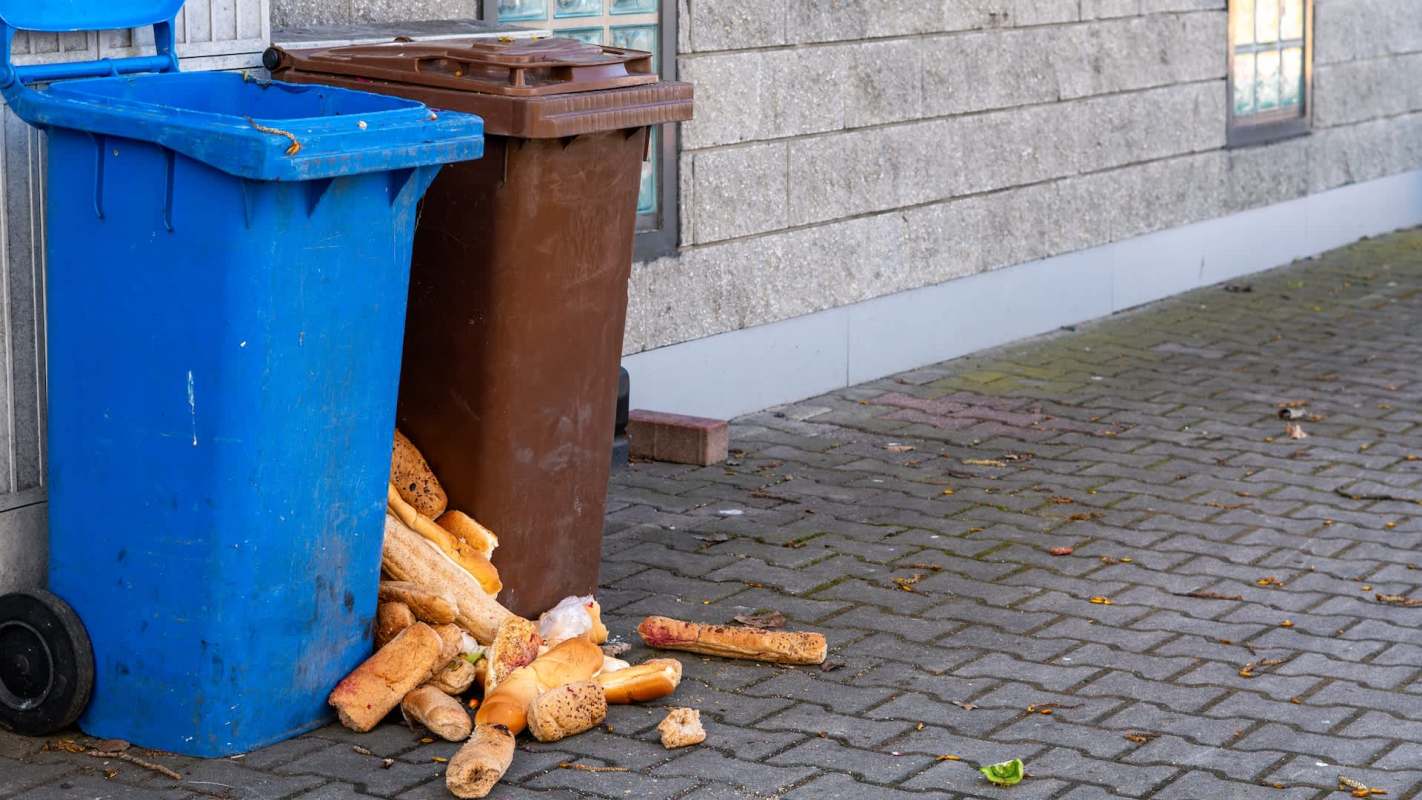
Australian households are throwing away far more than the occasional forgotten lettuce leaf or stale loaf.
New research suggests families are losing thousands of dollars each year on food that could have been eaten, all while grocery bills continue to strain household budgets.
Put another way, the amount of edible food being thrown out across Australia works out to 10,000 meals every two minutes.
What's happening?
Citing research from End Food Waste Australia, Yahoo News reported that the average Australian family throws out about AU$50 (US$35) worth of food in a week. That adds up to more than AU$2,500 (US$1,741) per family, per year.
The biggest item by weight is not steak or seafood, despite what many shoppers might expect. Instead, bread and other bakery products make up the largest share, with around 242,500 tons (220,000 tonnes) discarded annually and sliced bread identified as the most wasted food category by weight.
Measured by dollar value, though, red meat creates the largest loss for households when it is thrown out.
TCD Picks » Quince Spotlight
💡These best-sellers from Quince deliver affordable, sustainable luxury for all




In essence, the food ending up in the trash includes both an everyday basic and one of the most expensive parts of a weekly shop.
IKEA Australia food manager Tim Prevade told Yahoo News that people often pay close attention to grocery spending in the store, then become less aware of those costs after the food has been taken home and put away.
Why does it matter?
The most palpable consequence of household food waste is financial. Grocery prices have climbed sharply in recent years, so spending an extra $50 on ultimately wasted food each week can quietly drain an already stretched budget.
The environmental toll is also significant. When edible food is thrown away, all the resources used to grow, transport, refrigerate, and package it are wasted as well. Once that food breaks down in a landfill, it releases methane, a powerful heat-trapping gas.
Bread offers a clear example of how everyday habits add up. Across the country, uneaten slices, forgotten produce, leftovers shoved to the back of the fridge, and pantry items bought with every intention of being used but never making it into a meal add up to enormous amounts of wasted food.
The findings suggest that shopping carefully does not always translate into using everything once it is back at home.
What can I do about food waste?
Making food easier to see is one simple way to cut waste.
Prevade recommended using clear storage containers so leftovers and ingredients are more likely to be noticed before they spoil. He also suggested setting aside one evening each week to cook with food already sitting in the fridge, freezer, or pantry.
A weekly "use-it-up" meal can stretch a budget while lowering the odds that produce, dairy, or bread will be forgotten. Another useful step is understanding the difference between "best before" and "use by" labels.
"Best before" typically refers to quality, meaning the food may still be safe to eat after that date. "Use by" is the label that matters when it comes to food safety.
Freezing extra bread, portioning meat before storing it, and planning meals around ingredients that need to be used first can all help households save money without requiring a major lifestyle change.
"You've already spent the money, so it's out of sight, out of mind in the fridge or pantry," Prevade explained.

Get TCD's free newsletters for easy tips, smart advice, and a chance to earn $5,000 toward home upgrades. To see more stories like this one, change your Google preferences here.







