


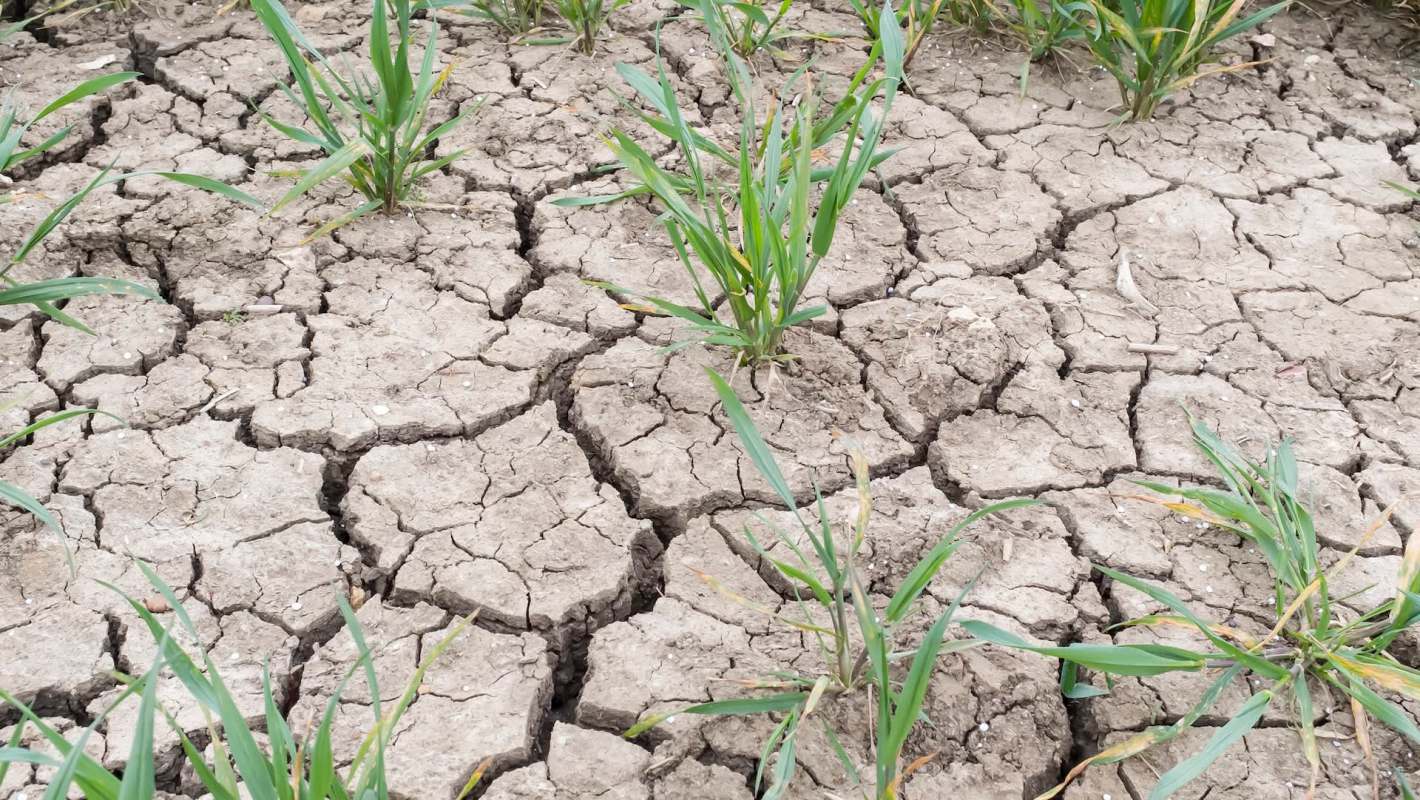
Unrelenting heat is scorching more than just crops. It is also hurting shoppers' wallets, too, the Guardian reported.
What's happening?
United Kingdom grocery prices are climbing once again, and this time, experts are pointing directly at extreme weather, according to the British Retail Consortium.
Ongoing hot, dry conditions are threatening harvests and putting upward pressure on food costs. As climate extremes become more frequent, everything from fresh produce to pantry staples is feeling the heat.
"Harvests of key products like potatoes, carrots, and lettuce are expected to be hit hard," BRC economist Mike Watkins told the Guardian.
Retailers in the U.K. are warning of a "significant rise in food inflation" later this year, as unseasonably high temperatures disrupt growing seasons and slash crop yields. This trend follows closely behind earlier climate-linked food supply shocks, such as the drought in southern Europe that decimated olive oil production.
Why are food prices concerning?
Hot weather might sound like a vacation forecast, but for agriculture, it's an escalating crisis. Crops exposed to extreme heat and dry spells often produce lower yields or fail entirely, which tightens supply chains and drives up costs.
These price hikes hit consumers where it hurts most: the grocery store. And for low-income households already struggling with food insecurity, even small increases can mean going without.
The environmental toll isn't minor, either. Damaged harvests lead to more food waste, higher water consumption, and added pressure on global food systems.
As global temperatures continue to rise, these price spikes are expected to become more common, only further disrupting both ecosystems and economies.
What's being done about food prices?
Governments and advocacy groups are pushing for more climate-resilient farming practices, including drought-tolerant crops and better water management. Some grocers are also exploring hyperlocal sourcing and vertical farming to offset losses from disrupted supply chains.
TCD Picks » Quince Spotlight
💡These best-sellers from Quince deliver affordable, sustainable luxury for all




|
How concerned are you about your energy bills increasing this summer? Click your choice to see results and speak your mind. |
 Very 😰
 Many countries are also increasing investment in climate adaptation for agriculture, though progress remains uneven.
As a consumer, one of the simplest ways to push back is to shop smarter at the grocery store. Shopping smarter allows you to stretch your food budget without sacrificing nutrition or sustainability. Planning meals around seasonal produce, using freezer-friendly ingredients, and cutting food waste can go a long way toward easing pressure on both your wallet and the planet.

Join our free newsletter for easy tips to save more and waste less, and don't miss this cool list of easy ways to help yourself while helping the planet.
Cool Picks




