


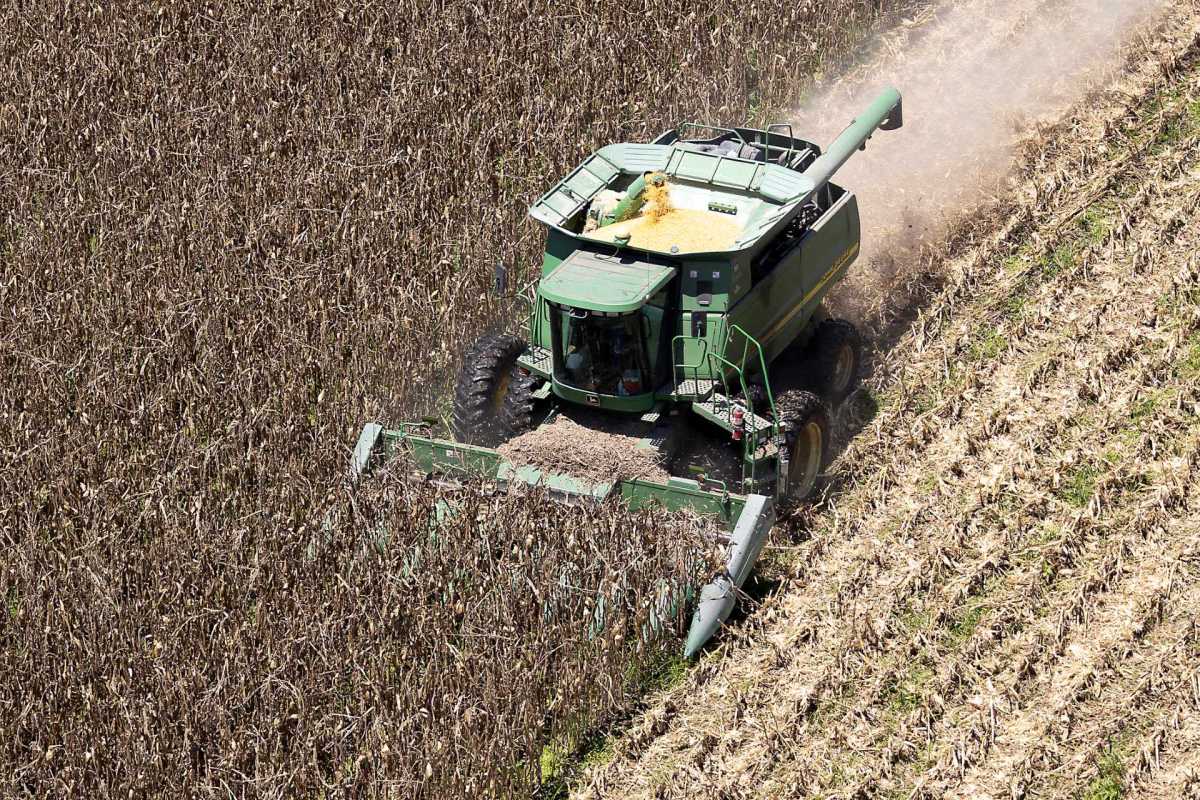
A deep freeze in Palm City, Florida, resulted in a significant loss of sweet corn crops.
What happened?
Florida isn't known for extremely cold weather, but a major freeze in the area was bad enough to wipe out several crops, including sweet corn.
Farmer Jonathan Allen spoke to WPBF about how the weather affected crops as he prepared for yet another cold front to move through.
According to Allen, roughly 40% of his farm's crops were damaged, including about 120 acres of sweet corn that he deemed a total loss. Although he took several measures to protect the crops, nothing he did helped.
He explained to WPBF: "This freeze is the worse that I can remember probably worse than 1989. Across the board, it's devastation, complete devastation."
Why are these crop losses concerning?
Farmers in Florida aren't the only ones with crops affected by cold weather. In 2025, Romanian farmers lost most of the country's peach and cherry crops to cold and frost. Meanwhile, that same year, farmers in South Korea lost pear blossoms to an unexpected frost.
Often, when these extreme weather events occur, they result in significant decreases in crop yields (or even wiping out entire crops), reducing farmers' income.
On top of the income loss, operating expenses and crop production costs continue to rise. According to the Farm Bureau, the forecasted per-acre cost for corn crop production in 2025 was $890. In 2026, estimates suggest those costs will increase by 2.2% to 3.3%.
Between higher food production costs and reduced incomes, more farms are shutting down, leading to fewer agricultural jobs and less food. Reduced market availability drives prices sharply higher, making it harder for consumers to put food on the table.
How are Florida farmers protecting their crops from cold weather?
Florida farmers don't often experience extreme cold, but they do have methods to protect their crops when cold weather hits.
TCD Picks » Quince Spotlight
💡These best-sellers from Quince deliver affordable, sustainable luxury for all




|
Which of these savings plans for rooftop solar panels would be most appealing for you?
Click your choice to see results and earn rewards to spend on home upgrades. |
 Save $1,000 this year 💸
 Allen tried flooding parts of his crops to make a warmer microclimate and built a berm, although those methods failed him. Some farmers will cover vulnerable crops with palm fronds or dirt to keep them warm during a freeze.
Another method is to ensure plants are well hydrated before freezing temperatures hit, since water can fill air pockets in the soil and absorb heat during the day, then release it overnight, keeping plants warmer.
The most expensive method Florida farmers use, though, is hiring helicopters to fly over their fields. This method can cost anywhere from $2,500 to $5,000 an hour, but it mixes up the air over crops enough that frost can't form, keeping plants safe.

Get TCD's free newsletters for easy tips to save more, waste less, and make smarter choices — and earn up to $5,000 toward clean upgrades in TCD's exclusive Rewards Club.
Cool Picks




