


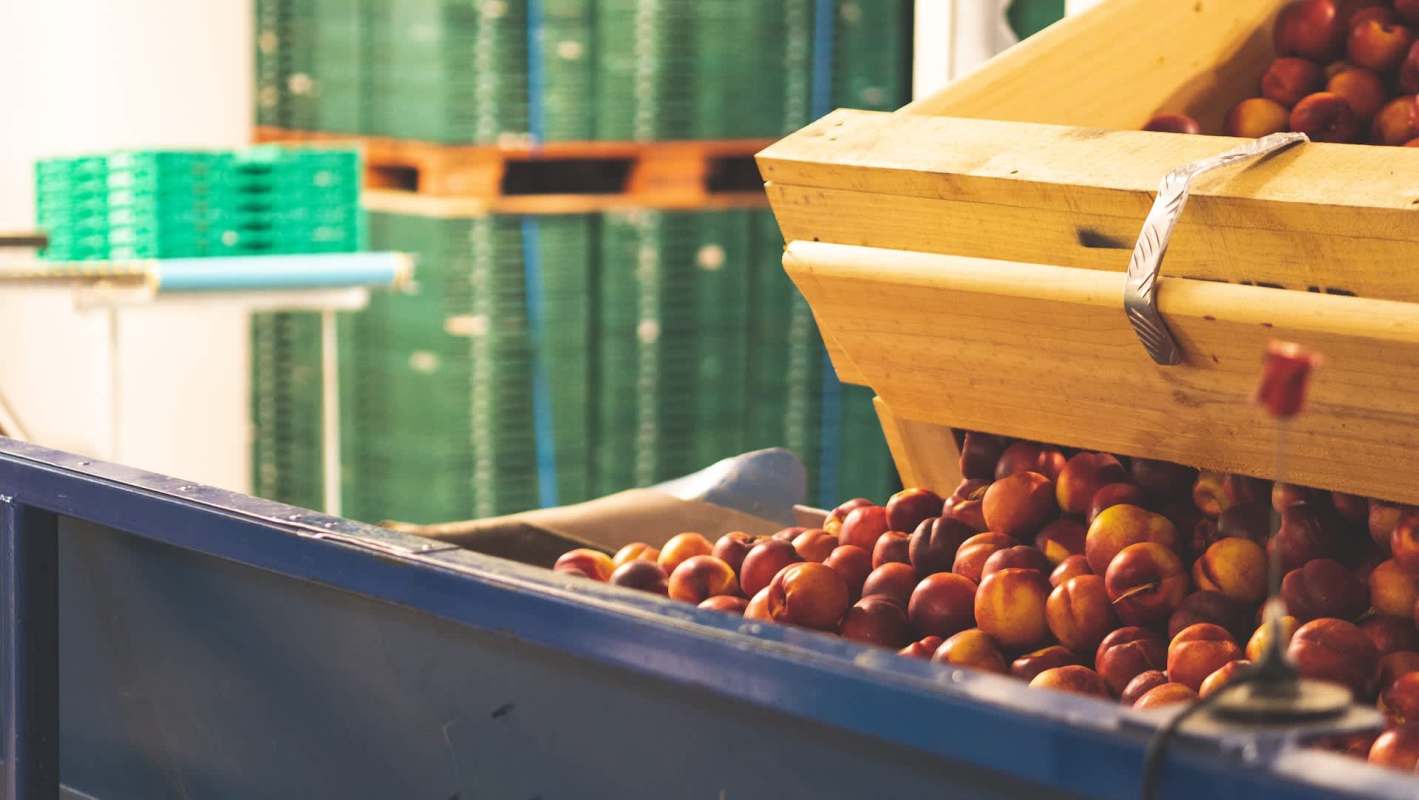
The U.S. Food and Drug Administration has ended a major peach recall after monitoring corrective steps tied to a possible Listeria monocytogenes contamination concern, according to Econostrum.
About 10 million pounds of peaches distributed in 39 U.S. states, as well as Canada and Mexico, were a part of the recall.
What happened?
The U.S. Food and Drug Administration ended the recall on July 31 after required corrective actions were completed.
As Econostrum reported, the recall covered 11 peach varieties and was classified as a Class I recall, the FDA's highest-risk category.
Regulators linked the affected peaches to Moonlight Packaging Corporation in Fresno County, California. They identified a possible Listeria monocytogenes contamination concern in the packing environment.
Affected fruit included yellow peaches, white peaches, and "peppermint" white peaches marketed under Moonlight and Kroger labels.
TCD Picks » Quince Spotlight
💡These best-sellers from Quince deliver affordable, sustainable luxury for all




The action applied to 33 lots identified through labels, packaging details, and UPC codes, and the peaches were sold both individually and in multi-fruit packs.
Affected retailers included Kroger, Trader Joe's, Walmart, Costco, Target, Sprouts, Food Lion, and Wegmans.
Why is this outbreak concerning?
Listeria monocytogenes is especially concerning because it can survive in refrigerated environments. Its effects are also essentially invisible to the human eye, so produce may look safe to eat even when it isn't.
Strong sanitation practices and careful facility monitoring are essential before products reach store shelves. These food safety practices can also reduce food waste.
What's being done?
The FDA's termination notice means the agency concluded the necessary response steps were completed.
Product tracing was central to the response. It's also been instrumental in the Centers for Disease Control and Prevention investigation into cyclospora.
It's crucial for programs that look out for pathogens that cause foodborne illnesses to continue receiving funding. This work keeps people safer and healthier. And at this point in time, it can likely help people have better access to fresh produce.

Get TCD's free newsletters for easy tips, smart advice, and a chance to earn $5,000 toward home upgrades. To see more stories like this one, change your Google preferences here.








