


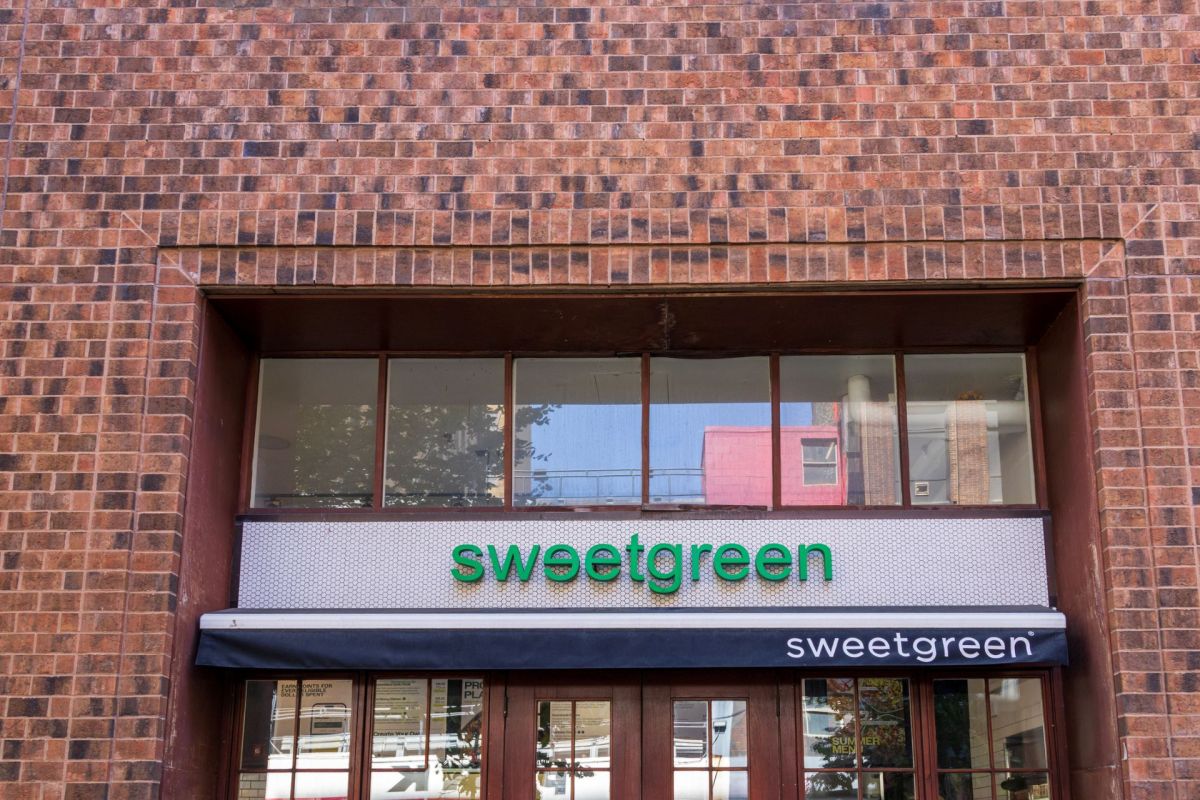
The popular food chain Sweetgreen is feeling the effects of a food safety scare it wasn't directly involved in, as growing consumer anxiety over produce-related illness appears to be weighing on demand.
After lowering its outlook and disclosing the removal of jalapeños tied to a separate recall, the salad chain saw its stock tumble sharply.
What happened?
Alongside a separate salmonella-related recall that led Sweetgreen to remove jalapeños from parts of its supply chain, the company said customers were pulling back from salads because of fears around a multistate cyclospora outbreak. That combination helped drive the stock down 10%, as reported by the New York Post.
What had previously been forecast as a full-year adjusted EBITDA loss of $1 million to $6 million is now expected to worsen to a loss between $23 million and $27 million, Sweetgreen said in its latest earnings report, according to the New York Post.
Its same-store sales outlook also deteriorated, with the company now saying the annual decline could reach 7% to 8%, compared with its earlier projection of a 2% to 4% drop.
For the quarter ended June 28, Sweetgreen posted a 6.2% same-store sales decline, its sixth in a row. The stock has fallen about 30% as cyclospora concerns have spread, despite the outbreak not being tied to the chain or its products.
TCD Picks » Quince Spotlight
💡These best-sellers from Quince deliver affordable, sustainable luxury for all




The salmonella outbreak linked to jalapeños from Mexico has sickened at least 345 people and hospitalized 36. After a voluntary recall, CEO Jonathan Neman said the company had "proactively removed and discarded all jalapeño from the supplier in the affected areas."
Why does it matter?
Cyclospora is a microscopic parasite that can cause cyclosporiasis, an intestinal illness associated with watery diarrhea, loss of appetite, weight loss, stomach cramps, bloating, gas, nausea, and fatigue.
The scale of the outbreak is significant: CDC figures cited by the New York Post put it at at least 10,000 infections, along with about 10,000 additional suspected cases, hundreds of hospitalizations, and two deaths.
FDA investigators traced the outbreak to iceberg lettuce processed at a Taylor Farms facility in Mexico. Taco Bell was the only major national chain named in connection with it, but demand for lettuce and other fresh produce has weakened at other restaurant brands as well.
That broader slowdown has shown up elsewhere. Chipotle said sales weakened about 2% during the outbreak period, while Salad and Go said in its bankruptcy filing that the outbreak compounded problems it was already facing.
The outbreaks also underscore the scale of industrial food production. When supply chains are large, fast-moving, and spread across multiple companies and countries, a lapse in oversight or safety standards can affect millions of meals.
What's being done?
Sweetgreen said jalapeños have limited exposure on its menu, appearing in only two of its 15 dressings, and said it moved quickly to remove the affected supply.
According to the FDA, other chains including Chipotle and Qdoba also pulled the affected peppers after receiving shipments from Coast Citrus Distributors.
Health officials are continuing to trace the sources of both outbreaks, while companies are working to limit consumer exposure by recalling or discarding potentially contaminated ingredients.
Sweetgreen said its outlook reflects "reduced consumer demand for fresh prepared foods due to the multistate outbreak of cyclosporiasis since mid-July." The company added: "The pace and timing of recovery remain uncertain."

Get TCD's free newsletters for easy tips, smart advice, and a chance to earn $5,000 toward home upgrades. To see more stories like this one, change your Google preferences here.






