


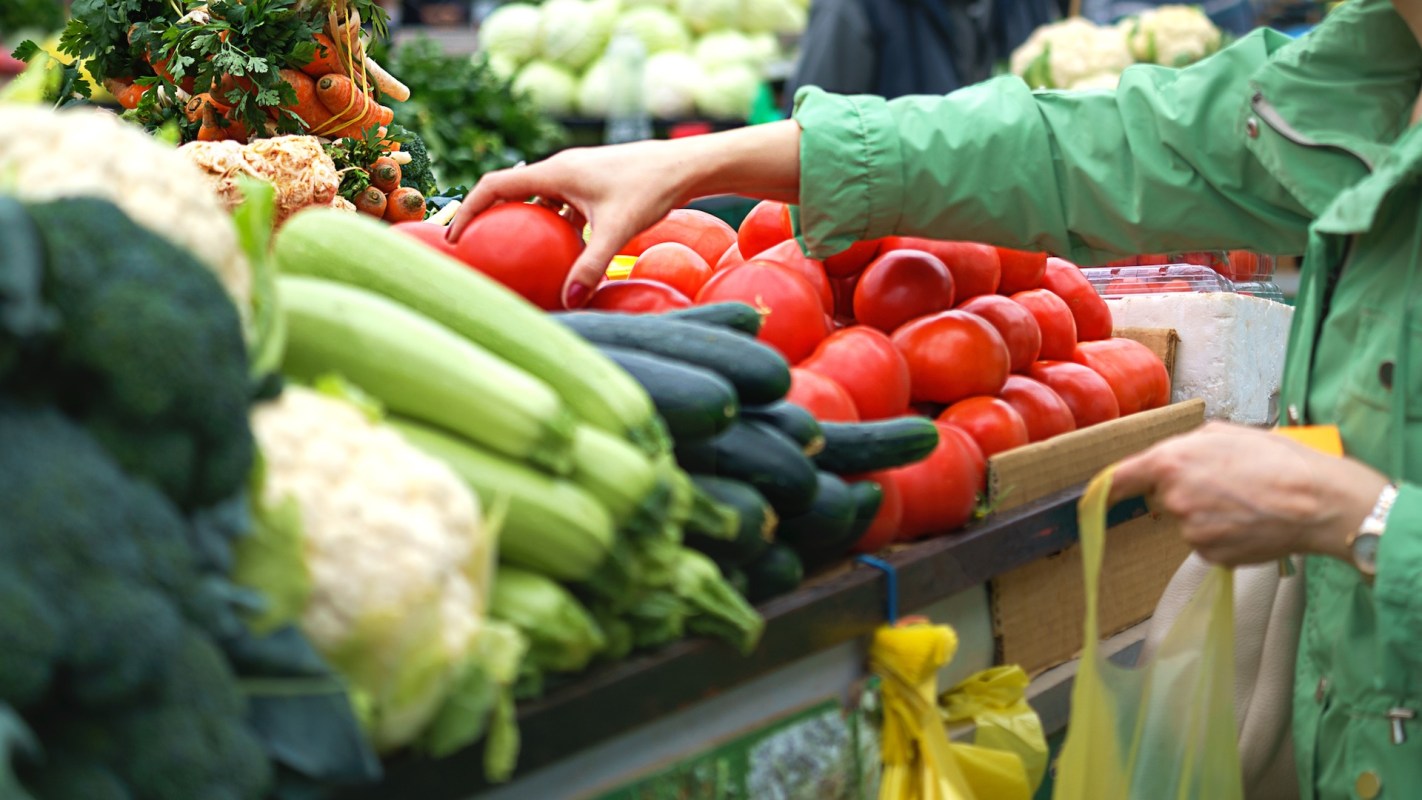
Food deserts are present in towns and cities across the U.S., leaving millions of people without reliable access to affordable, fresh, and nutritious food. Some communities are taking matters into their own hands by creating local produce markets and hubs.
One example is in Winterville, Georgia. Every Saturday, a local park brings together fresh produce, baked goods, and community support to make healthy groceries more accessible.
What's happening?
According to the Athens Banner-Herald, the Marigold Collective, a community-centered food initiative in Winterville, uses its Saturday Market to address food access challenges. The U.S. Department of Agriculture classifies the area as a food desert since more than one in five residents of Athens, Georgia, live below the poverty line.
Residents also face transportation barriers, including the lack of a direct bus line to a grocery store. In response, Sarah Hovater, director of the Marigold Collective, helped build a local system designed to keep more food and money within the community.
Open from 9 a.m. to 1 p.m. when weather allows, the Saturday Market includes local farmers, and many of them are new to farming. The Banner-Herald reported that Hovater originally began selling produce from her backyard in 2020 before later expanding the initiative due to community need.
By accepting EBT cards and OTC Network Benefit cards, the market makes it easier for more families to buy fresh food close to home, according to the outlet.
TCD Picks » Quince Spotlight
💡These best-sellers from Quince deliver affordable, sustainable luxury for all




How does this help people?
A local food market that accepts government assistance can reduce travel costs, save time, and ease some of the stress tied to grocery shopping.
The Marigold Collective's model also gives newer growers a place to sell without needing licenses or a steady supply of produce. That creates a practical entry point for small-scale farmers while helping more food stay local.
Hovater explained, "We're just really trying to figure out how we can feed our community with what we can produce in the community, and realistically it's quite a lot of food."
Jennifer Thompson, who works as a senior research scientist at the University of Georgia, told the outlet that a lot of large issues intersect to create food insecurity.
"Food insecurity is a symptom of broader financial strain, the cost of housing, the cost of food, challenges with transportation, a whole suite of issues," Thompson said.
What's being done?
The effort extends beyond the Saturday Market. The Marigold Collective also operates a storefront on Mondays from 10 a.m. to 7 p.m., offering pantry staples sourced from northeast Georgia.
The Banner-Herald noted that, to reduce waste and extend access, Hovater and the collective buy leftover produce from local farmers each week and redistribute it to people who cannot afford purchases at the store themselves.
Courtney Omega Doss, founder of Colored Only Cafe, is one example of the market's impact. Doss, who provides homestyle cooking and grocery delivery services, said to the outlet, "The markets literally saved my life." She now brings free, fresh, healthy meals to people around Athens.

Get TCD's free newsletters for easy tips, smart advice, and a chance to earn $5,000 toward home upgrades. To see more stories like this one, change your Google preferences here.







