


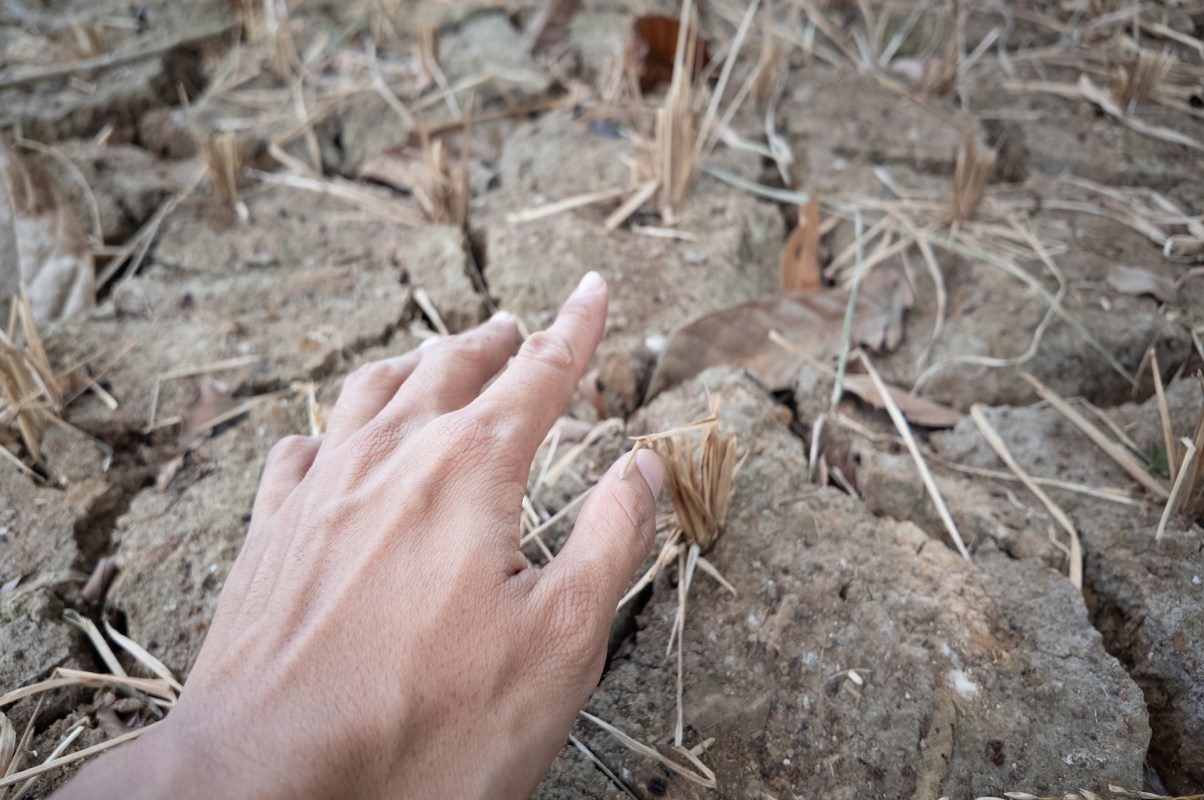
Farmers in parts of the U.S. are struggling to keep crops alive after a season of extreme swings in rainfall, reported WSYR. Some are spending sleepless nights running irrigation equipment — others have already lost entire fields.
What's happening?
At Reeves Farms in New York, owner Karin Reeves said dry conditions are taking a toll, per WSYR.
"My brother and some of the other employees have been doing some of the irrigation," Reeves said. "They've just been doing it nonstop all night long."
This July was the 11th-driest July on record. It follows the 11th-wettest May on record. Reeves said the wet spring delayed planting and caused uneven corn growth. She showed crops of mixed heights, adding: "We have some corn that's ready now and some that isn't."
For some farms, the issue has been worse, per WSYR. Reeves said certain fields never produced crops this year. Others are facing delayed harvests for cabbage and sweet corn because of the lack of rain.
Why is this concerning?
Overheating conditions are making weather extremes more common. Farmers are dealing with longer dry spells, unexpected heavy rains, and shifting planting seasons.
When crops fail or grow unevenly, farm income drops. Families who depend on those crops — both farmers and consumers — face higher grocery bills. In past seasons, lettuce shortages and corn yield declines from similar weather swings have led to price spikes in supermarkets.
As farming becomes less predictable, the risk of supply disruptions grows. Communities that rely on local agriculture for jobs and food security may be the first to feel the impact.
What's being done about it?
Some farms are investing in irrigation systems, water storage, and soil management practices to hold moisture longer, reported WSYR.
But not all farmers can afford it. On Reeves Farms, lower-value crops like soybeans go without extra watering. "You can't afford to do that on something like soybeans," she said. "You don't have the price that you need to pay for that."
TCD Picks » Quince Spotlight
💡These best-sellers from Quince deliver affordable, sustainable luxury for all




|
Do you think our power grid needs to be upgraded? Click your choice to see results and speak your mind. |
 Definitely 👍
 "You're just hoping and praying for some rain, so they grow a little more," Reeves said.
Local farming groups are also sharing resources to help smaller farms access equipment or fuel for irrigation.
Consumers can support affected farmers by buying from local markets, joining community-supported agriculture programs, and reducing food waste to make the most of available produce.

Join our free newsletter for easy tips to save more and waste less, and don't miss this cool list of easy ways to help yourself while helping the planet.
Cool Picks




